
Samsung Display Patent Lets Under-Screen Cameras Get Clearer Pixels
Samsung Display has filed a patent describing a way to fine-tune individual pixel behavior directly above hidden cameras and sensors, giving each zone of the screen its own electrical setting depending on which module underneath is active.
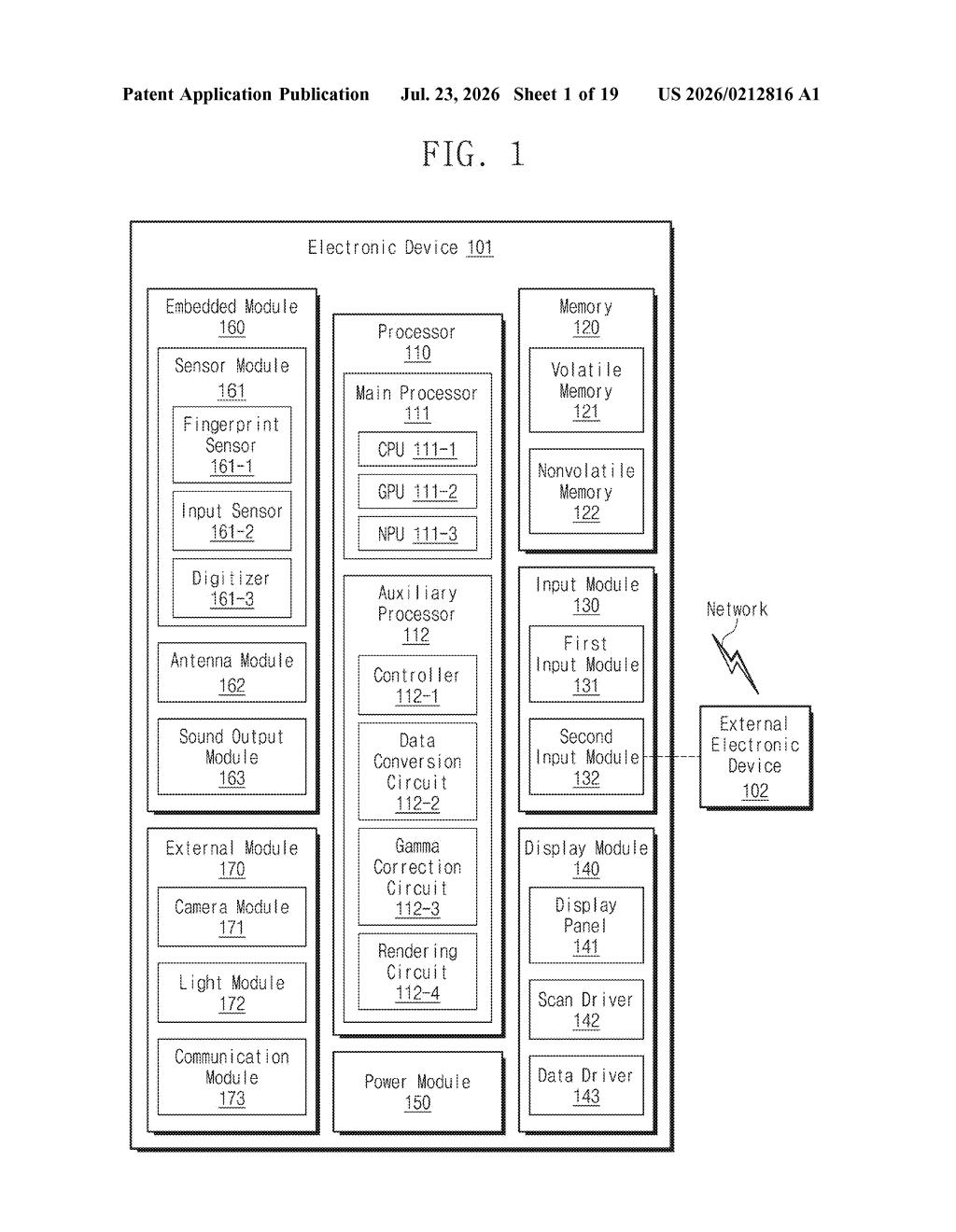
What Samsung's under-screen camera pixel trick actually does
Imagine a phone screen with no notch, no hole-punch cutout, just a pure, uninterrupted display from edge to edge. The camera still sits underneath, looking up through the screen. The tricky part is that the pixels sitting directly above that hidden camera need to let light through, which means they behave differently from every other pixel on the panel.
Samsung's patent addresses a subtle but important problem with that setup. When a module beneath the screen (like a proximity sensor or a second camera) switches on, the pixels above it can bleed a tiny amount of unwanted light that throws off the image or the sensor reading. The fix described here is to send a slightly different electrical signal, called an initializing voltage, to those specific pixels depending on which hidden module is running at any given moment.
In other words, the screen isn't treated as one uniform surface. Different zones get different electrical instructions, tuned to whatever is hiding underneath. The result is a cleaner image from the under-screen camera and more accurate sensor data, without visible distortion on the display itself.
How different initializing voltages fix light-leakage problems
The patent describes a display panel divided into two broad categories of regions. The first display region has higher light transmittance (meaning it lets more light pass through) and sits above hidden electronic modules like cameras or sensors. The second display region covers the rest of the screen with normal, denser pixel density.
Within that high-transmittance first region, the patent carves out at least two sub-zones:
- A first region corresponding to one electronic module (for example, an under-screen camera).
- A second region corresponding to a second electronic module (for example, a proximity or light sensor).
Each zone has its own pixel circuit configuration. The key variable is the initializing voltage, an electrical reset value that each pixel circuit applies to its light-emitting element before a new frame is drawn. Normally all pixels share the same initializing voltage. Here, the first region uses a different initializing voltage from the second region, and that difference is conditional: the second region's voltage only changes when the second electronic module is actively being used.
This conditional control matters because powering up a sensor or camera underneath the screen changes the local electrical environment. By adjusting the initializing voltage in lockstep with module activity, the pixel circuits can compensate for that interference in real time, keeping display output and sensor input cleaner.
What this means for the future of notch-free phone displays
Under-screen cameras are one of the last remaining design problems for truly full-face smartphone displays. Every manufacturer that has shipped one has faced the same criticism: photos taken through the screen look softer and hazier than a conventional camera, and the pixels above the lens often look slightly different from the rest of the screen in bright conditions. Samsung's approach here goes deeper than just thinning out pixels in that zone; it actively changes how those pixels are electrically primed based on real-time sensor activity.
For you as a user, this kind of engineering is what separates a gimmicky under-screen camera from one that actually works well enough to replace the selfie camera entirely. If Samsung can ship this in a Galaxy device, it would be a meaningful step toward a phone where the front of the device is just screen.
This is a focused, specific engineering patent rather than a broad strategic land-grab, and that's actually a good sign. Samsung Display is clearly iterating on a real problem that has plagued every under-screen camera shipping today. The conditional voltage adjustment tied to module activity is a concrete, testable idea, not just a vague claim about 'improved display quality.' It's worth tracking.
There are more where this came from
We read every patent application Big Tech publishes and send you the ones worth knowing. Plain English, free, every week.
The drawings
19 drawing sheets from US 2026/0212816 A1 · click any drawing to enlarge


Want this weekly breakdown for a company we don't cover? Patentlyze Pro →
Be the first to weigh in