
Qualcomm Patents a Way to Produce HDR Photos Without Doubling the Shots Needed
Getting a great HDR photo usually means your camera captures several different exposures in quick succession, which costs time and invites blur. Qualcomm's new patent describes a smarter capture schedule that shares one long exposure across multiple frames so your phone can produce HDR images faster and more efficiently.
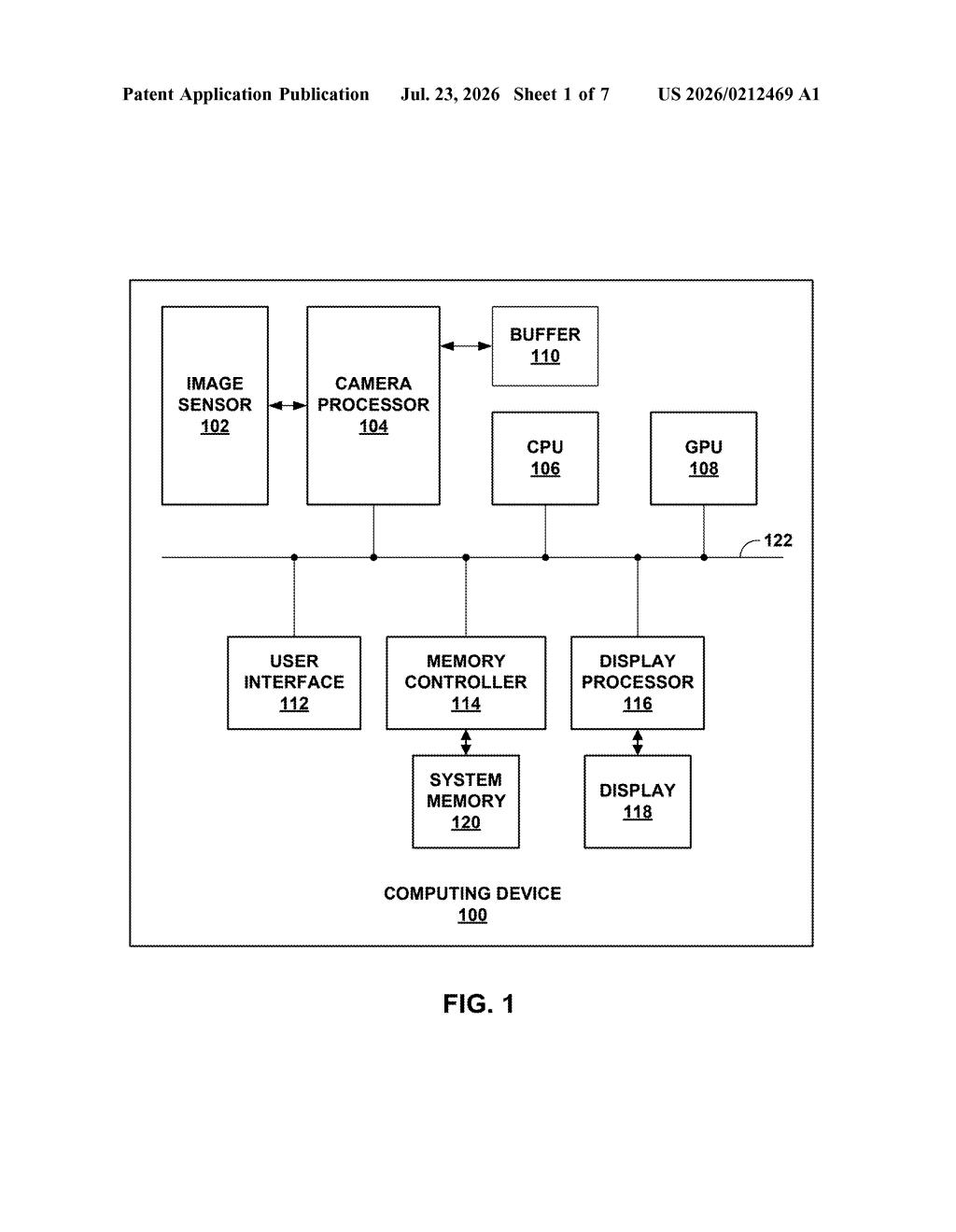
How Qualcomm's HDR trick cuts camera capture time
Imagine your phone's camera trying to photograph a bright sunny window with a dark room in front of it. To get both the bright and dark parts right, it normally needs to snap the scene at different brightness settings, which takes extra time and can blur fast-moving subjects.
Qualcomm's patent describes a system where the camera captures a short frame in a special two-in-one mode (think of it as the sensor recording a bright version and a dim version of the same moment simultaneously), then pairs that combined short frame with a single longer exposure. The clever part: that same longer exposure gets reused for the next short frame too, so the camera doesn't have to shoot a fresh long frame every time.
The result is that your phone produces a continuous stream of high dynamic range (HDR) images without needing twice as many total shots. That's useful for video as well as still photos, especially in challenging mixed-light scenes.
How DCG mode and exposure sharing combine
The patent centers on a camera capture mode called Dual Conversion Gain (DCG). In DCG mode, a single image sensor exposure produces two versions of the same frame: one captured at a high gain level (good for dark areas) and one at a low gain level (good for bright areas). The camera's processor combines these two gain images into one wider-range short-exposure image.
The system then pairs that DCG short-exposure image with a separate, longer-exposure image. A longer exposure captures more light, which helps with shadow detail, but it's more prone to blur. By combining the two, the processor generates an HDR image with detail across a wide range of brightness levels.
The key efficiency gain is in what happens next. Rather than shooting another long-exposure frame for the following HDR image, the system reuses the same long-exposure frame and pairs it with a new DCG short-exposure frame. The pipeline looks like this:
- Capture a short DCG frame (Frame 1) + a long-exposure frame
- Combine them into HDR Image 1, then output it
- Capture a new short DCG frame (Frame 3)
- Combine Frame 3 with the same long-exposure frame to produce HDR Image 2, then output it
This reduces the total number of sensor captures needed per HDR output, which cuts processing overhead and helps maintain frame rate in video scenarios.
What this means for mobile HDR video quality
For anyone who shoots video or photos in tricky lighting, like a concert, a sunset, or a room with a bright window, HDR capture is the difference between a usable shot and a washed-out one. The catch has always been that HDR requires more captures, which slows things down and creates ghosting artifacts when subjects move between frames.
By reusing the long-exposure frame across two consecutive HDR outputs, Qualcomm's approach reduces that motion-window problem and keeps frame rates higher. Since Qualcomm makes the chips inside many Android phones, this kind of image-signal-processor improvement could eventually show up in mainstream handsets without requiring any new camera hardware.
This is a solid, practical camera engineering patent rather than a flashy headline feature. The exposure-reuse trick is a real tradeoff worth making: you sacrifice a little temporal accuracy (the long frame is slightly older when it pairs with Frame 3) in exchange for better throughput and fewer ghosting artifacts. Worth watching if you follow mobile camera chip development.
Get our take in your Top Stories
Liked this breakdown? Add Patentlyze as a preferred source on Google, and our plain-English take shows up more often in your Top Stories the next time Qualcomm patent news breaks.
There are more where this came from
We read every patent application Big Tech publishes and send you the ones worth knowing. Plain English, free, every week.
The drawings
7 drawing sheets from US 2026/0212469 A1 · click any drawing to enlarge


Want this weekly breakdown for a company we don't cover? Patentlyze Pro →