
Samsung Patents an Asymmetric LED Mounting System for TV Backlights
Getting even light across a large TV screen sounds simple, but the engineering is surprisingly tricky. Samsung's latest patent tackles that problem by deliberately making the two sides of each LED mounting bar look different from each other.
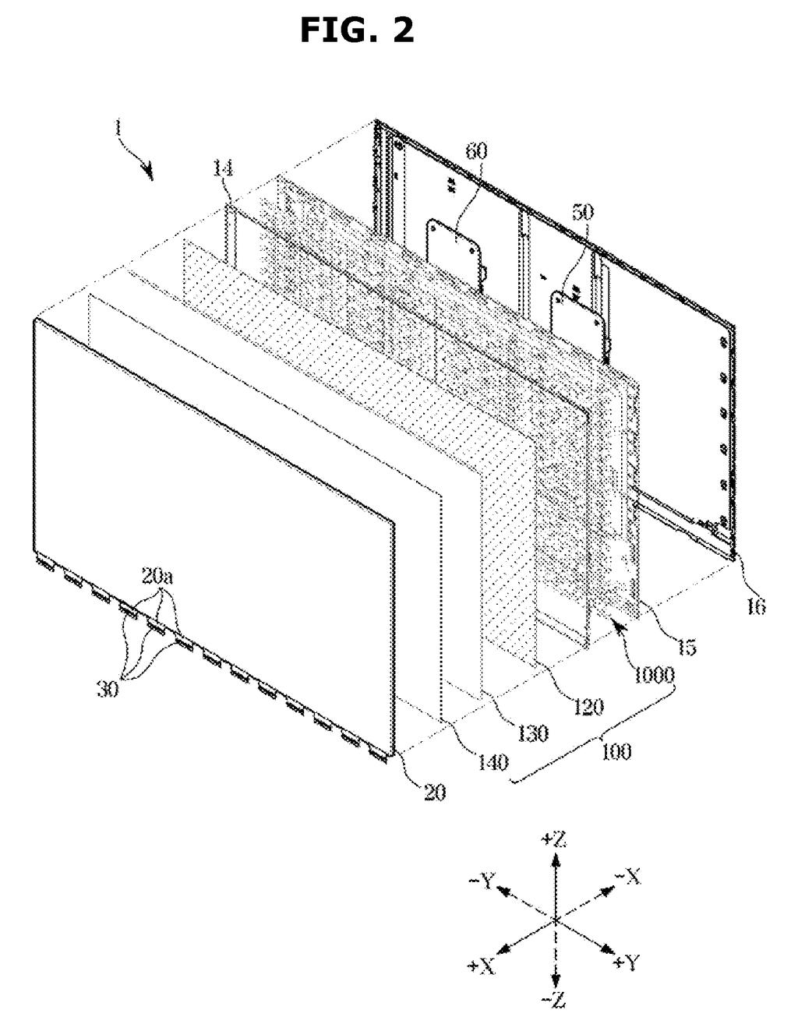
What Samsung's asymmetric backlight bars actually do
Imagine the backlight inside your TV as a grid of tiny light bulbs sitting behind the screen. Getting all those bulbs to produce perfectly even light, edge to edge, is one of the harder problems in display engineering. If any bulb sits at a slightly wrong angle or distance, you get hot spots or dark patches.
Samsung's patent describes a new way to mount those bulbs. Instead of identical, symmetric brackets, the system uses bars shaped a bit like a letter T, where each arm of the T can have a different shape depending on which side a bulb sits on. That deliberate mismatch lets engineers fine-tune how light spreads from each position on the bar.
The practical goal is a more uniform picture across the full screen, especially at the edges where light distribution tends to go wrong. It's a hardware fix rather than a software one, baked into the physical design of the backlight itself.
How the T-shaped substrate bars position each LED
The patent describes a backlight assembly made up of multiple substrate bars (think of them as long circuit-board strips that hold LED bulbs). Each bar has three parts: a central extension portion running along its main axis, a first protruding portion branching off one side, and a second protruding portion branching off the opposite side.
LEDs are mounted on those protruding side arms. What's novel here is that, on at least some of the bars, the geometry from an LED down to its arm is not a mirror image on both sides. The path from a first LED to its arm can have a different shape than the path from a second LED to its arm on the other side.
- This asymmetry lets the design compensate for real-world optical differences between the left and right sides of a backlight cavity.
- It can correct for uneven light spread without changing the LED chips themselves.
- The fix is built into the physical substrate shape, so it requires no extra software processing.
In short, the bars are intentionally lopsided so the light coming out the other side looks balanced.
What this means for TV picture uniformity
For consumers, the promise is a TV backlight that produces more consistent brightness from corner to corner, without requiring manufacturers to add more LEDs or more processing power. Display makers have long used local dimming zones to compensate for uneven backlights in software; this approach pushes some of that correction into the physical hardware design instead.
For Samsung specifically, this fits into a broader effort to improve LED-backlit LCD TVs (often sold as QLED sets) at a time when OLED competition is intense. A hardware-level uniformity fix could help close the perceived gap in picture quality between the two technologies, particularly at price points where OLED panels are still expensive to manufacture.
This is a narrow, specific manufacturing patent about backlight geometry, not a headline display technology. It's the kind of quiet component-level work that rarely gets noticed but does show up in better-looking budget TVs a couple of years later. Worth a glance if you follow display hardware; easy to skip if you don't.
There are more where this came from
We read every patent application Big Tech publishes and send you the ones worth knowing. Plain English, free, every week.
The drawings
17 drawing sheets from US 2026/0211283 A1 · click any drawing to enlarge


Want this weekly breakdown for a company we don't cover? Patentlyze Pro →
Be the first to weigh in