
Sony Patents a Fix for Uneven Dimming in Cameras With Swappable Lenses
Sony is patenting a way to automatically fix a known visual flaw that appears when a liquid crystal dimmer is placed in front of a camera sensor, an artifact that can ruin otherwise clean footage or photos.
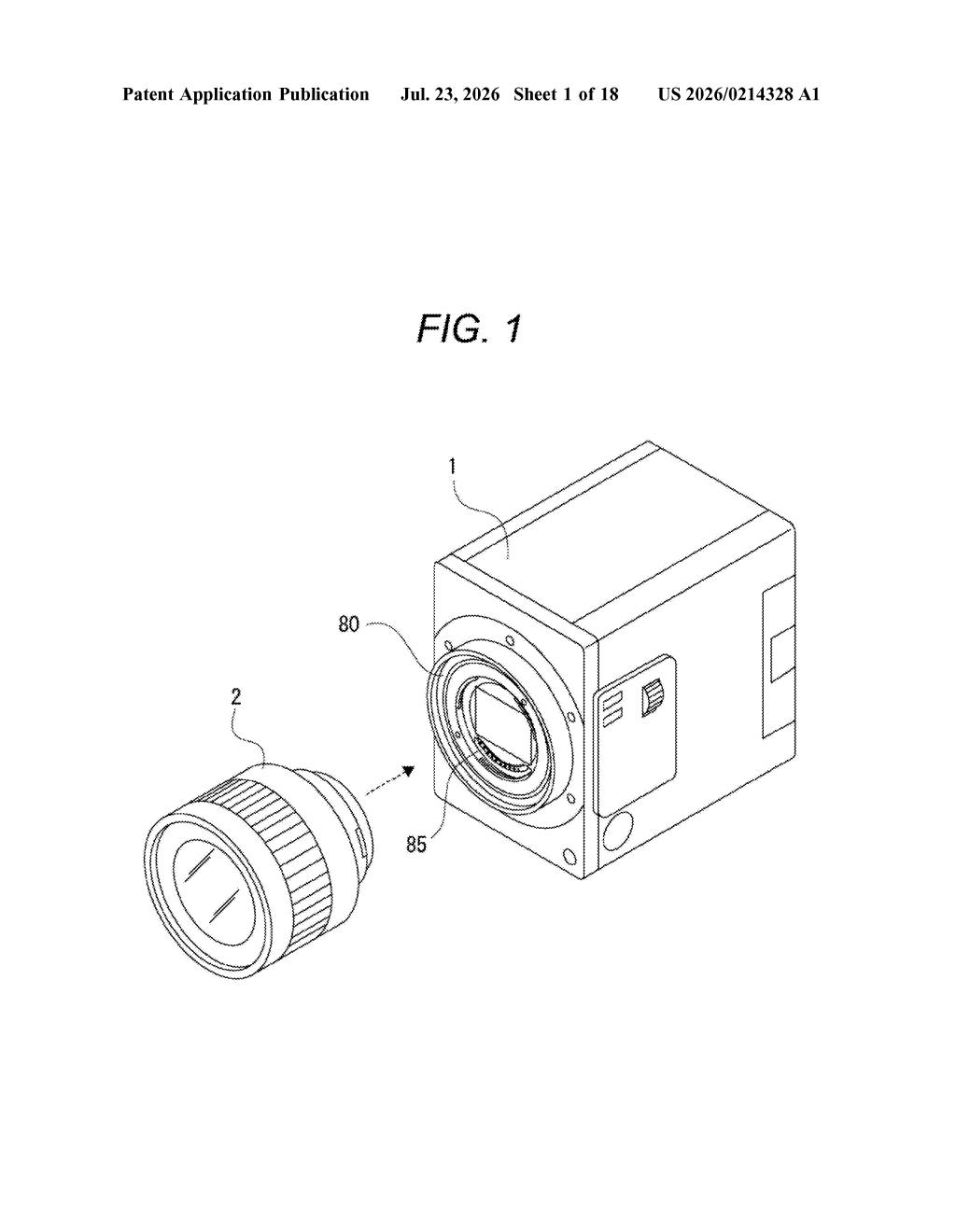
What Sony's liquid crystal dimming correction actually does
Imagine fitting a pair of sunglasses over your camera lens to darken a bright scene. The problem is that these electronic dimming filters, common in high-end cameras, don't always let light through evenly. The edges of your image can end up darker or lighter than the center, a defect photographers call shading.
Sony's patent describes a camera that detects and corrects this unevenness automatically. The fix is tied specifically to how the liquid crystals inside the dimming filter are physically tilted, because that tilt is what causes the uneven light in the first place. By knowing the tilt characteristics, the camera can apply a precise correction value to the image before you ever see it.
This would apply to Sony's interchangeable-lens cameras, meaning the correction would work regardless of which lens you attach. Instead of manually editing uneven exposure in post-production software, the camera handles it for you.
How the camera measures and fixes the shading problem
The patent covers a camera body that includes a liquid crystal dimming element (think of it as a built-in electronic neutral density filter, the kind videographers use to control exposure without changing aperture). Light from the attached lens passes through this element before hitting the image sensor.
The core problem the patent addresses is shading: uneven brightness across the frame caused by the way liquid crystal molecules tilt when voltage is applied to them. Different tilt angles at different points across the filter transmit slightly different amounts of light, creating a visible gradient or vignetting effect.
Sony's solution is to use a correction coefficient (a per-pixel adjustment value) that is calculated specifically from the tilt characteristic of the liquid crystal layer. The camera's signal processor then applies that coefficient to the raw image data coming off the sensor, evening out the brightness before the image is finalized.
The system is designed for cameras with interchangeable lenses, meaning the correction happens inside the camera body itself and works with any compatible lens mounted on it.
What this means for photographers using variable ND filters
Liquid crystal variable ND filters are increasingly common in professional cameras because they let shooters change exposure electronically without swapping physical glass. But shading artifacts have been a real-world complaint, particularly at stronger dimming levels. A camera that self-corrects for this would reduce post-production work and make the feature more reliable for video and stills.
For everyday users, this is the kind of fix that is invisible when it works, which is exactly the point. If Sony builds this correction into a future Alpha or Cinema Line body, you would get cleaner, more evenly exposed images from a dimming filter without needing to think about it.
This is a focused, practical engineering patent rather than a flashy concept. Liquid crystal shading is a real and documented problem, and automating the correction at the hardware level is a sensible approach. It won't make headlines, but for anyone who shoots with electronic ND filters regularly, it's genuinely useful work.
There are more where this came from
We read every patent application Big Tech publishes and send you the ones worth knowing. Plain English, free, every week.
The drawings
18 drawing sheets from US 2026/0214328 A1 · click any drawing to enlarge


Want this weekly breakdown for a company we don't cover? Patentlyze Pro →