
Samsung Patents an AI That Tells the Difference Between an Accidental and an Intentional Camera Tilt
Everyone has a shaky, slightly crooked video they wish they'd held the phone straighter for. Samsung is patenting an AI system that can tell whether that tilt was a mistake or an artistic decision, and then fix it automatically.
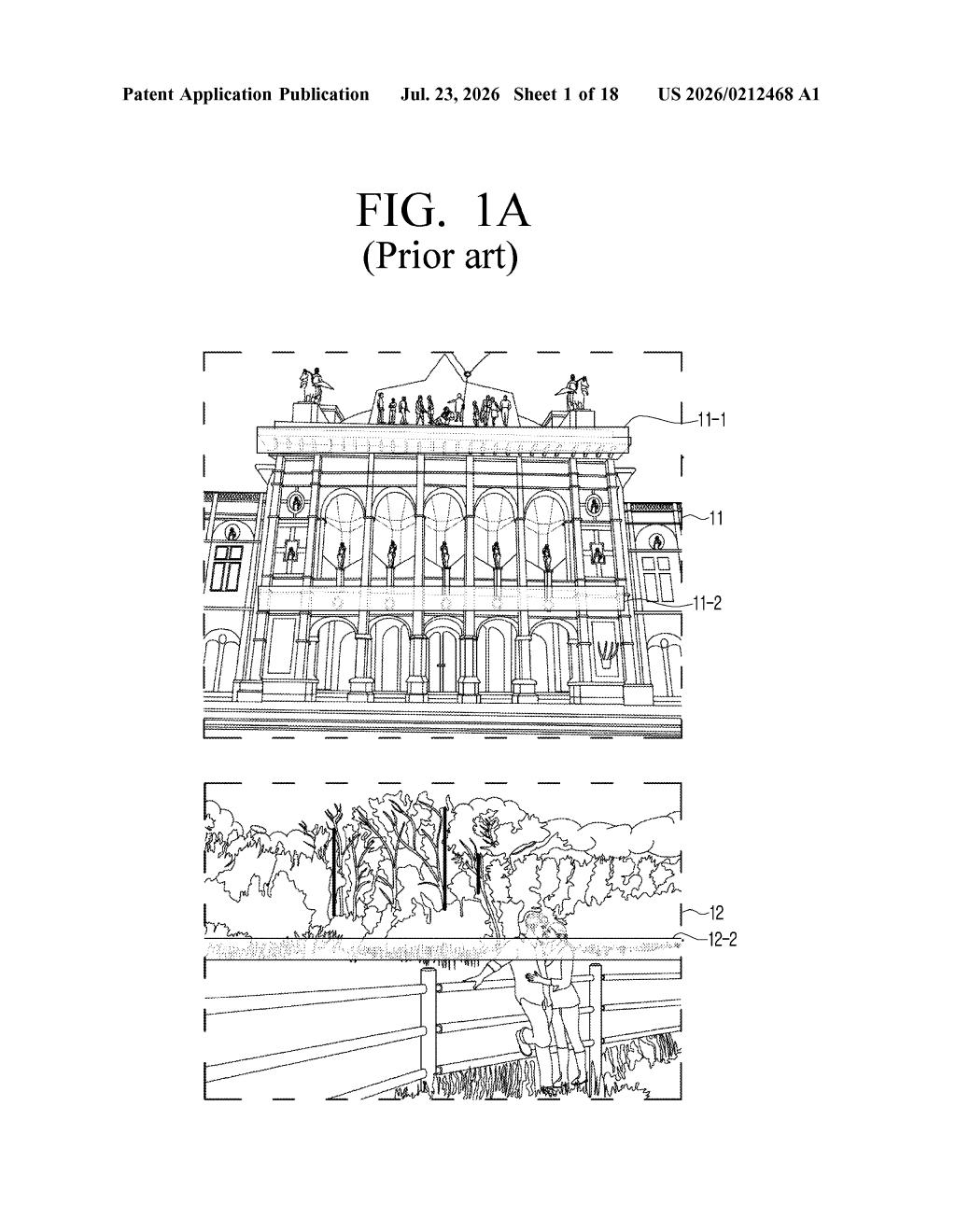
What Samsung's automatic video tilt fix actually does
Imagine you record a video at a birthday party and realize afterward that the whole thing is slightly tilted to one side. You could fix it in an editing app, but that takes time and often crops out part of the picture. Samsung's idea is to let the phone do that work for you.
The catch is that not every tilted video is a mistake. Filmmakers sometimes deliberately tilt the camera for dramatic effect, a technique called a "Dutch angle." A simple auto-correct tool would ruin those shots by flattening them out. Samsung's patent describes a system that uses an AI model to look at a video, analyze how the tilt behaves across every frame, and decide whether the lean looks accidental or intentional.
Only if the AI concludes the tilt was unintentional does it go ahead and straighten the video. If it thinks you meant to do it, it leaves the footage alone.
How the AI decides tilt is a mistake, not a choice
The system works by breaking a video into its individual frames and measuring the degree of tilt in each one. Tilt here means how much the horizon line or the overall scene is rotated away from level.
A trained AI model then analyzes the pattern of those tilt measurements across the whole sequence. The logic is that accidental tilt tends to look different from intentional tilt: a shaky hand produces an irregular, drifting lean, while a deliberate Dutch-angle shot holds a consistent, purposeful angle.
Based on that analysis, the system makes a binary call:
- If tilt is classified as unintentional, the device applies a correction pass to rotate each frame back toward level.
- If tilt is classified as intentional, the footage is left untouched.
The process is triggered by a user selecting a video, suggesting it could appear as an editing option inside a gallery or camera app rather than running silently in the background at capture time.
What this means for everyday video editing on Galaxy phones
For most people, this is a quality-of-life fix for the kind of video you shoot at events, on vacation, or whenever you're not thinking carefully about keeping the phone straight. Auto-straightening already exists in some apps, but doing it blindly can destroy footage where the tilt was intentional. The intent-detection step is what makes this approach more careful.
Samsung is filing this under its own name, so the most obvious destination is Galaxy phones and their built-in camera and gallery software. Whether the AI model is accurate enough to reliably distinguish a clumsy hold from a creative choice is the real question, and the patent doesn't tell us that.
This is a genuinely useful idea wrapped in a fairly narrow patent. The key insight, that a correction tool should first ask whether the tilt was intentional, is obvious in hindsight but not something most auto-fix tools bother with. Whether the AI is actually good at making that call is the whole ballgame, and a patent filing doesn't answer it.
There are more where this came from
We read every patent application Big Tech publishes and send you the ones worth knowing. Plain English, free, every week.
The drawings
18 drawing sheets from US 2026/0212468 A1 · click any drawing to enlarge


Want this weekly breakdown for a company we don't cover? Patentlyze Pro →