
New Samsung Patent Uses AI to Predict Remaining Battery Life
Samsung is patenting a system that goes beyond the rough percentage bar on your screen to give a much more accurate picture of how much life your battery actually has left, and how many charge cycles it has before it's genuinely worn out.
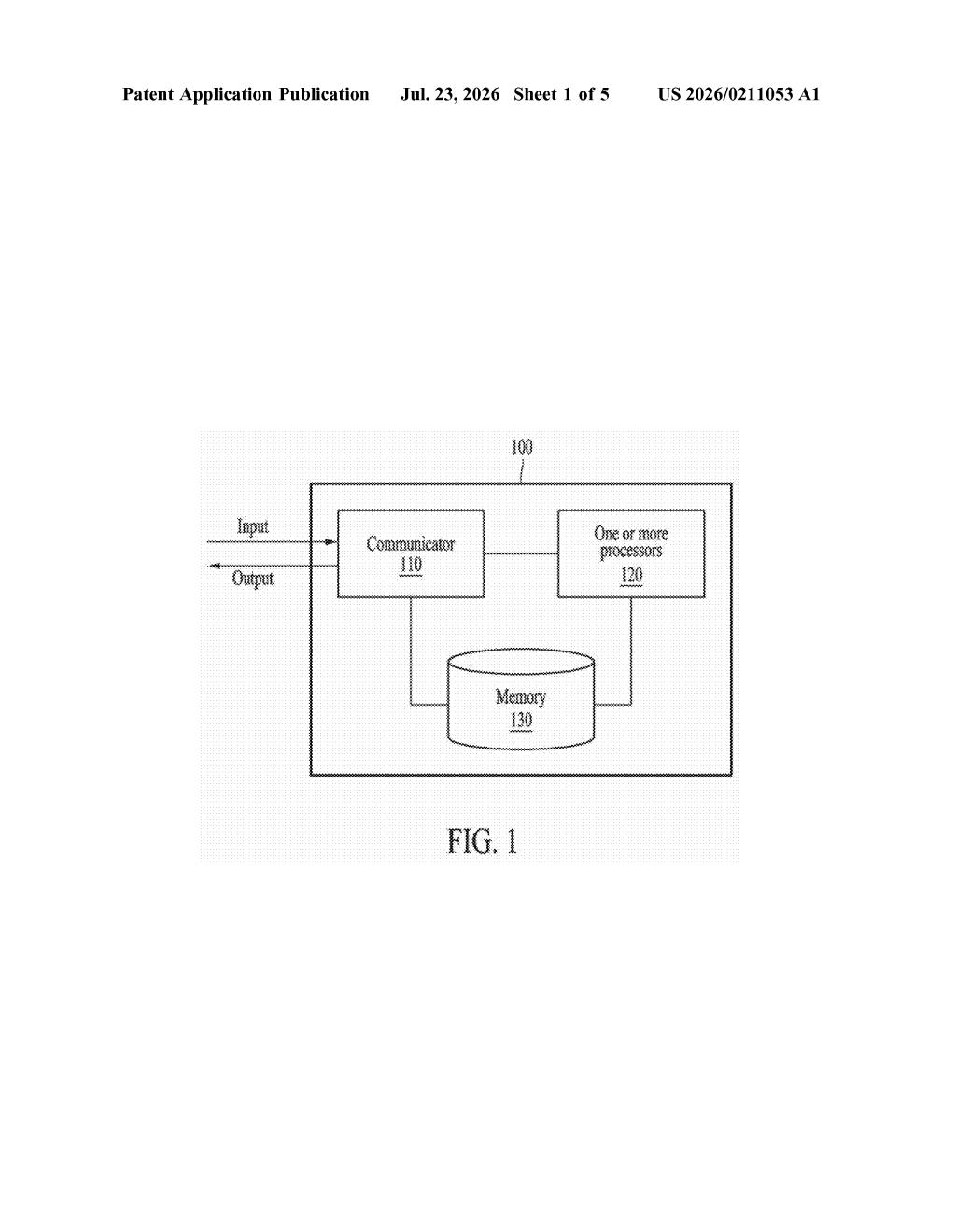
What Samsung's battery life prediction system actually does
Think about how often the battery percentage on your phone or laptop lies to you. It says 20%, then drops to 10% in two minutes, or it says the battery is fine until it suddenly dies. The number on screen is often just a rough guess.
Samsung's patent describes a system that builds a much more careful picture of battery health. It breaks the battery's life into distinct stages (a new battery behaves differently than one that's half worn out), runs multiple prediction models for each stage, and then checks those predictions against real lab data on how batteries actually degrade over time.
The result gets saved in a compact lookup table your device can consult quickly, without heavy computing overhead. The goal is an estimate of remaining useful life, not just today's charge level, meaning the system is trying to tell you something like "this battery has about 200 full charge cycles left" rather than just "you're at 78%."
How the models, weights, and lookup table work together
The patent centers on estimating a battery's remaining useful life (RUL), which is different from the familiar charge percentage. RUL is a measure of how many more charge-discharge cycles the battery can go through before its capacity degrades below a useful threshold.
To get there, the system works in three steps:
- Divide and conquer: The battery's lifespan is split into multiple "areas" based on its current state of health (for example, a fresh battery, a moderately aged one, and a heavily worn one). Each area gets its own set of prediction models, because degradation doesn't follow a straight line.
- Blend the models: Several different RUL estimation models run in parallel for each area. A weight set is then calculated for each area, using real experimental data from lab testing to figure out which model's predictions are most trustworthy at that stage of battery life.
- Save it as a lookup table: The final calibrated weights are stored in a look-up table (LUT), a simple pre-computed reference sheet that lets the device quickly fetch the right prediction without doing heavy math on the fly every time.
The degradation parameter the models read from could include things like internal resistance, voltage curves during charging, or capacity fade over time.
What better battery predictions mean for your devices
For everyday users, more accurate battery life prediction means fewer surprises. A phone that genuinely knows its battery is degrading can warn you earlier, manage power more conservatively, or help you decide when a battery replacement actually makes sense rather than guessing.
For Samsung, this matters across a huge range of products: phones, tablets, laptops, wearables, and potentially electric vehicles. Battery management is one of the most complained-about aspects of consumer electronics, and a system that gives trustworthy health data rather than vague percentages would be a real selling point. The lookup-table approach also matters for low-power devices like earbuds or smartwatches, where you can't run heavy computations in the background.
This is quiet but useful engineering work. Battery life prediction has been notoriously poor across the industry for years, and a model-blending approach calibrated with real degradation data is a credible way to improve it. It won't make headlines on a spec sheet, but it's exactly the kind of infrastructure patent that shows up in firmware updates and makes a product feel more reliable.
There are more where this came from
We read every patent application Big Tech publishes and send you the ones worth knowing. Plain English, free, every week.
The drawings
5 drawing sheets from US 2026/0211053 A1 · click any drawing to enlarge


Want this weekly breakdown for a company we don't cover? Patentlyze Pro →
Be the first to weigh in