
Tesla Patents a Magnetic Sun Visor That Splits Into Two Separate Panels
Tesla's latest patent reimagines one of the most low-tech parts of your car — the sun visor — by splitting it in two with magnets. When you need to block glare from the side window, you just pull the panel apart and it swings over independently.
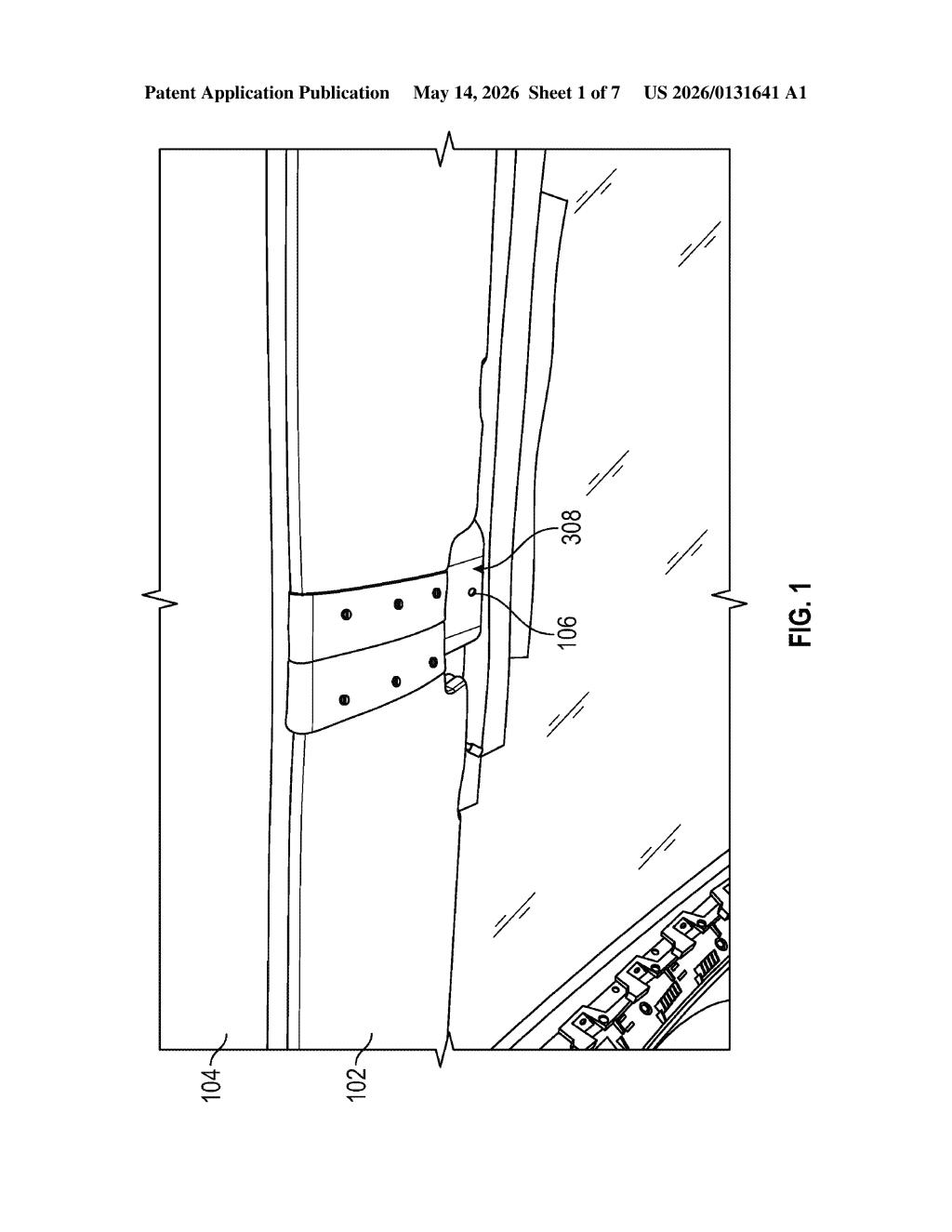
What Tesla's split sun visor actually does for drivers
Imagine you're driving into a low afternoon sun. You flip down your visor to block the windshield glare — but then the sun dips to your left and starts blazing through the side window. Your current visor can't reach that far. Tesla's patent tries to fix exactly this problem.
The idea is a sun visor made of two panels held together by magnets along their inner edges. When you need to cover the full width of the windshield, the two panels click together and act like a single visor. When you need to block glare from a side window, you detach one panel and it becomes an independent visor covering that window.
It's a simple, physical solution — no motors, no electronics, just magnets doing the work of connecting and releasing. You get one unified visor or two separate ones, depending on what the sun is doing to you at any given moment.
How the magnetic coupling joins and separates the panels
The patent describes a two-panel sun visor system where each panel has magnets (or ferromagnetic elements — materials attracted to magnets, like iron) embedded along its inboard edge, meaning the edge that faces the center of the car.
When the two panels are pushed together, the correlated magnets (meaning they're oriented to attract each other) lock the panels into a single unified visor that spans the full width of the front windshield. This is your standard, everyday configuration.
When you need side-window coverage, the panels detach:
- The left panel pivots or positions to cover the driver-side window
- The right panel covers the passenger-side window
- Each panel operates independently of the other
The patent specifically notes the first panel is configured to extend along at least a portion of a side window when detached — so the geometry of each panel is deliberately sized to be useful both as half a windshield visor and as a standalone side visor. The magnetic coupling is the key innovation here: it replaces mechanical clips or hinges with a tool-free, snap-together connection.
What this means for sun glare and interior design in Teslas
Sun visors are one of those car interior features that haven't meaningfully changed in decades. The pain point they solve — side-window glare that your current visor physically can't reach — is something every driver has dealt with. A magnetic split design is elegant because it adds functionality without adding complexity or electronic failure points.
For Tesla specifically, interior simplicity is a stated design priority, and eliminating a separate side-window visor accessory while making the main visor do double duty fits that philosophy. Whether this shows up in a future Model 3, Model Y, or Cybertruck refresh is unclear, but it's the kind of small-but-real quality-of-life improvement that tends to quietly make it into production.
This is a genuinely useful, low-tech idea dressed up as a patent — and that's a compliment. Magnetic panel coupling is simple enough that it's surprising no one has shipped it widely yet. Don't expect headlines, but do expect this to show up in a future Tesla interior refresh as one of those 'oh, that's clever' details.
There are more where this came from
We read every patent application Big Tech publishes and send you the ones worth knowing. Plain English, free, every week.
Want this weekly breakdown for a company we don't cover? Patentlyze Pro →