
Sony Patents a System That Lets Users Choose Which AI Model Runs on Their Device
Sony is patenting a control layer that lets a user pick their own AI model and then hand it off to a dedicated inference chip to run. It sounds simple, but it's the kind of plumbing that makes swappable on-device AI possible.
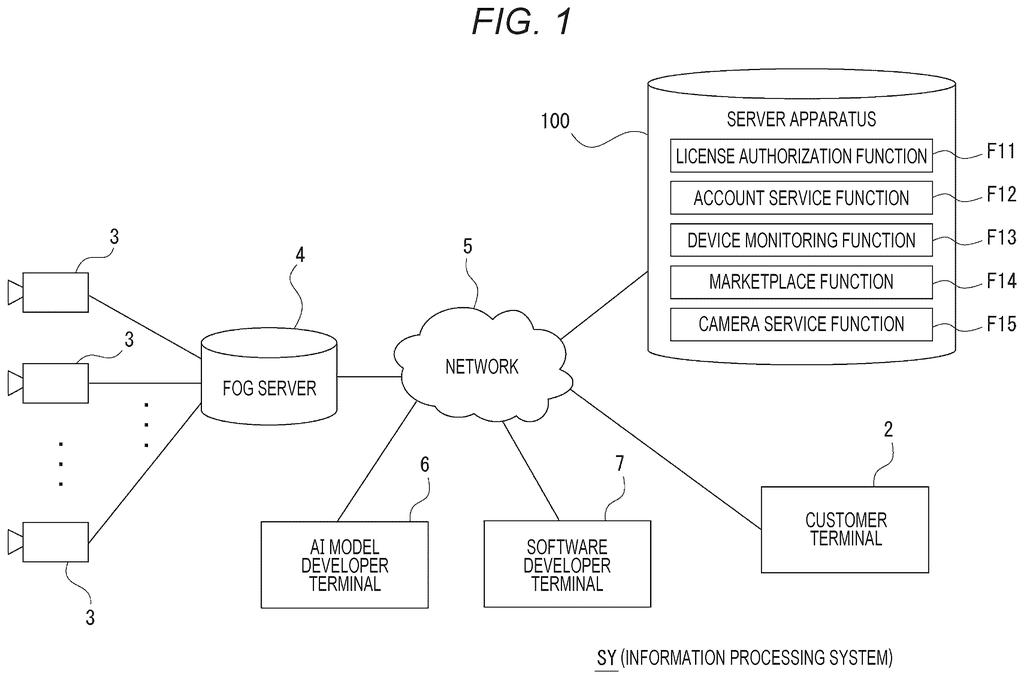
What Sony's user-selectable AI model system actually does
Imagine your camera has a built-in AI chip that can analyze photos, but right now it only runs one fixed AI model that the manufacturer baked in. What if you could swap that model out yourself, the way you pick a filter or a lens?
That's the core idea here. Sony's patent describes a control system that takes two instructions from a user: first, which AI model to load onto the inference chip; second, which data to run through it. The chip then executes the analysis using exactly the combination the user chose.
For you as a user, this could mean choosing between AI models tuned for different tasks, like one optimized for low-light scenes versus one built for recognizing faces, without the manufacturer having to ship a separate device for each.
How the setting and execution controllers swap AI models
The patent describes an information processing apparatus that sits between a user and a dedicated inference device (a chip or hardware block designed specifically to run AI models efficiently). It has two distinct control units:
- Setting control processing unit: takes a user-specified AI model (called the "designated model" in the patent) and loads it onto the inference device, replacing whatever was running before.
- Execution control processing unit: once the designated model is in place, it feeds the inference device the user's chosen input data and triggers the actual AI processing.
The separation of these two steps matters. Loading a model and running a model are treated as distinct operations, which means the architecture supports swapping models on demand rather than having them hardcoded at manufacturing time.
The patent is filed under Sony Semiconductor Solutions, the division that makes image sensors and chip-level processing hardware, which gives the filing a clear context: this is about giving software or end-user control over what AI logic runs on embedded chips, likely in cameras or similar sensing hardware.
What this means for Sony's AI-chip ambitions
Sony Semiconductor Solutions supplies image sensors to a huge portion of the smartphone and camera industry. A control architecture that lets the user (or a host application) choose which AI model runs on the inference hardware could make those chips far more flexible and attractive to device makers who want to differentiate their AI features without designing custom silicon.
For consumers, the practical upside is that a device doesn't have to be locked into the AI capabilities it shipped with. If a better model becomes available, it could potentially be loaded onto the same hardware. That's a meaningful shift from how most embedded AI works today, where the model is essentially fixed firmware.
This is infrastructure-level work, not a flashy consumer feature, and the claim itself is quite broad. The interesting angle is who filed it: Sony Semiconductor Solutions is a chip supplier, not a device brand, so a user-facing model-selection system coming from that division suggests Sony is thinking about selling more flexible AI silicon, not just smarter sensors. Worth watching as a signal of where embedded AI is heading.
There are more where this came from
We read every patent application Big Tech publishes and send you the ones worth knowing. Plain English, free, every week.
The drawings
21 drawing sheets from US 2026/0220915 A1 · click any drawing to enlarge


Want this weekly breakdown for a company we don't cover? Patentlyze Pro →