
Sony's New Patent Teaches AI to Write Its Own Game Tracking Code
Sony has filed a patent for an AI system that scans a video game's source code, figures out what the important pieces are, and then writes tracking code to monitor them — all without a human developer doing any of that work manually.
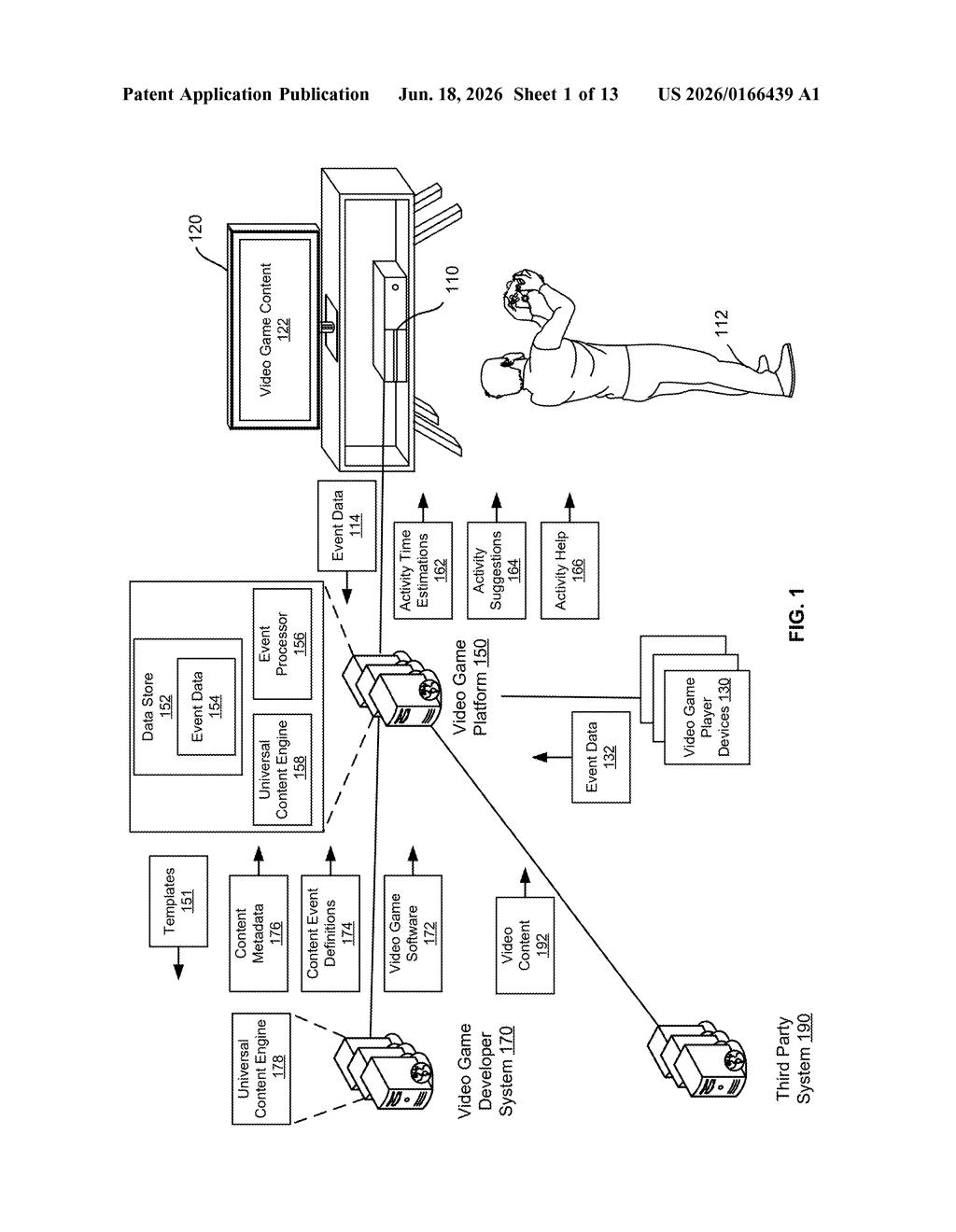
What Sony's AI game-tracking system actually does
Imagine you're building a video game and you need to know exactly when a player picks up a sword, opens a chest, or completes a level — so you can study how people actually play. Normally, a developer has to sit down and write separate code by hand to log all of those moments. That's tedious, easy to miss, and has to be repeated every time the game changes.
Sony's patent describes an AI that does this automatically. It reads through the game's source code, spots the objects and actions that matter (like that sword or that chest), and then writes its own tracking code and plugs it directly into the game. The game then logs those moments during play without any extra effort from a developer.
The practical upside is that studios spend less time on bookkeeping work and more time building the game. It also means tracking stays up to date as the game evolves, since the AI can re-scan the code whenever something changes.
How the ML model finds and rewrites game code
The patent describes a pipeline built around one or more machine learning models that operate during the game's build process — the phase where source code gets compiled into a playable game.
Here's how the sequence works:
- The ML model scans the game's source code and finds definitions of game content — the formal descriptions of objects like characters, items, or levels.
- It generates a unique identifier for each piece of content it finds, essentially giving everything a trackable name.
- It then identifies the functional components — the chunks of code that actually change the state of those objects when the game runs (for example, the function that removes a health point when a player is hit).
- For each of those components, it generates an event definition: a structured description of what happened, tied to the identifier it created earlier.
- Finally, it writes event instrumentation — small pieces of monitoring code — and inserts them directly into the relevant game functions.
The term "platform-specific" in the patent title suggests the system is designed to adapt to different hardware targets, likely including Sony's own PlayStation consoles, and can generate tracking code tailored to each one.
What this means for game studios and PlayStation data
For game studios, writing and maintaining analytics instrumentation is genuinely time-consuming grunt work. Every time a developer adds a new weapon type or reworks a level, someone has to go back and make sure the tracking code covers it. An AI that handles this automatically could meaningfully reduce that overhead, especially for large teams shipping to multiple platforms.
For Sony specifically, this fits a broader pattern of wanting richer data on how players interact with PlayStation games. Better instrumentation means better telemetry, and better telemetry informs everything from difficulty balancing to deciding which features to cut. Studios using Sony's development tools could see this baked into the build pipeline at the platform level.
This is a practical, unglamorous patent that solves a real problem — nobody writes about analytics instrumentation, but every studio deals with it. The AI angle here is plausible and well-scoped: reading code and generating boilerplate tracking hooks is exactly the kind of pattern-matching task where ML models are genuinely useful. It's worth paying attention to if you care about how Sony is embedding AI into its developer toolchain.
There are more where this came from
We read every patent application Big Tech publishes and send you the ones worth knowing. Plain English, free, every week.
Want this weekly breakdown for a company we don't cover? Patentlyze Pro →