
Samsung Patents a Smarter Satellite Fallback When Cell Service Fails
Your phone already knows it's about to lose signal — Samsung's new patent wants it to use that knowledge to jump to a satellite connection before you're totally cut off.
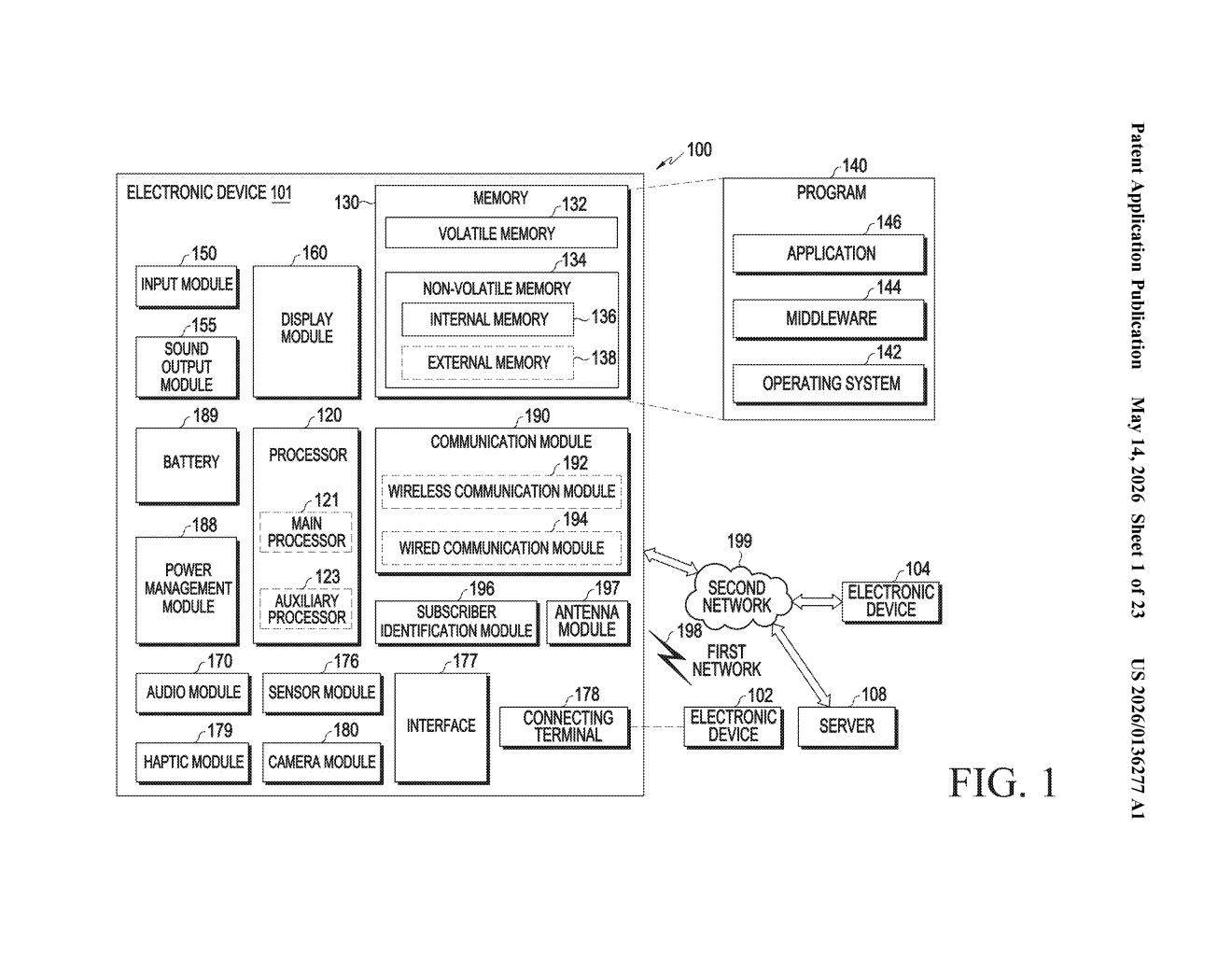
How Samsung's phone knows to switch to satellite
Imagine you're driving through a remote mountain pass. Your phone loses cell service, and you're stuck staring at 'No Signal' for the next 20 minutes. The frustrating part? Your phone could have started looking for a satellite connection the moment it saw the warning signs — it just didn't know how.
That's the problem Samsung is trying to solve here. This patent describes a system where your phone learns which cell towers sit at the edge of coverage — called 'boundary cells.' When your phone last connected to one of those edge towers before losing signal entirely, it treats that as a strong hint: you're probably in a region where satellite is the right fallback.
Instead of waiting until the signal is completely gone and then slowly scanning for options, the phone can move faster and smarter toward a non-terrestrial network (that's satellite, essentially). It's a small but meaningful change in how devices prioritize their recovery when the ground-based network gives out.
How boundary cells trigger Samsung's NTN scan logic
The patent describes a software-level decision system that runs on the device when terrestrial (ground-based cell tower) communication fails. The core logic works in a few steps:
- Failure detection: The device identifies that its current terrestrial cell connection has dropped.
- Boundary cell check: Before scanning blindly for satellite, it looks back at which cell towers it was connected to just before the failure. Were any of those towers flagged as 'boundary cells' — towers that sit at the perimeter of a satellite-dedicated coverage zone?
- Conditional NTN scan: If yes, the device performs a non-terrestrial network (NTN) scan — essentially searching for a satellite cell it can latch onto. NTN is the 3GPP standards term for satellite-based cellular, including low-Earth orbit systems.
- Access procedure: Once a satellite cell is detected, the device initiates a connection attempt based on that cell.
The clever part is the boundary cell database. The network pre-defines which terrestrial cells sit adjacent to NTN-only regions. The device uses this as a geographic proxy — if you were near a boundary cell, you're likely in or near a zone where only satellite coverage exists. This avoids wasting time and battery scanning for satellite in areas where terrestrial service is just temporarily glitchy.
What this means for Samsung phones in dead zones
For users, this is about closing the gap between 'no signal' and 'doing something about it.' Right now, switching to satellite on most devices is either manual or relies on a slow, generic fallback scan. Samsung's approach would make that transition faster and context-aware — your phone uses its recent network history as a map.
Strategically, this fits into Samsung's push to support 3GPP NTN standards in its Galaxy devices, which are designed to work with satellite networks like those operated by telcos partnering with low-Earth orbit providers. As carriers roll out satellite-to-phone services globally, having smarter device-side logic to trigger those connections will matter a lot for real-world reliability — especially in markets with patchy rural infrastructure.
This is solid, unsexy infrastructure work that will genuinely matter as satellite-to-phone coverage expands. It's not a flashy AI feature — it's the kind of quiet optimization that determines whether satellite fallback actually works reliably in the field, or just exists on a spec sheet. Worth tracking as NTN deployments scale.
There are more where this came from
We read every patent application Big Tech publishes and send you the ones worth knowing. Plain English, free, every week.
Want this weekly breakdown for a company we don't cover? Patentlyze Pro →