
Samsung Patents a System That Logs Why Your Call Dropped During a 5G-to-4G Switch
Every time your phone fumbles a call while switching from 5G to an older 4G network, that failure mostly disappears into the void. Samsung's new patent is about making sure those failures get recorded and sent to the network so carriers can actually fix them.
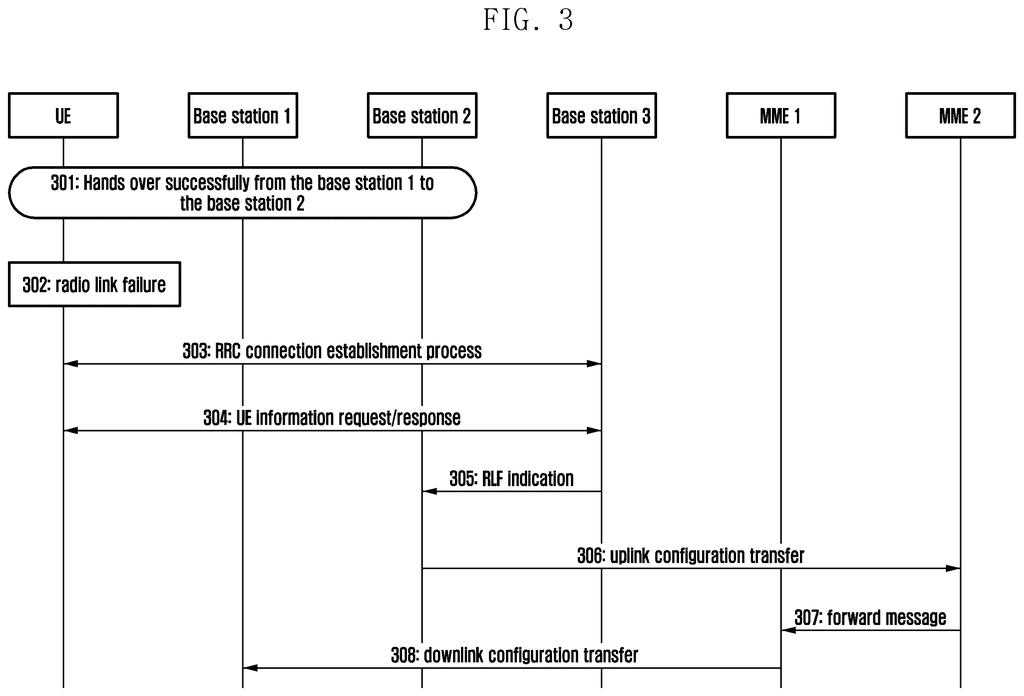
What Samsung's call-drop logging system actually does
Imagine you're on a call and your phone switches from a 5G tower to an older 4G one to keep the voice connection alive. Sometimes that switch fails, and your call drops. Right now, your phone might not give the network much useful information about exactly why or how that happened.
Samsung's patent describes a system where your phone detects that kind of failure, labels it specifically as a "voice fallback" problem (meaning it happened during a 5G-to-4G hand-off for a voice call), and packages that detail into a report. The phone then sends that report to the next tower it connects to.
The goal is to give carriers structured, specific data about where and why these hand-off failures occur, so engineers can tune the network to reduce dropped calls in problem areas. It's essentially giving the network a crash log for your phone call.
detecting a radio link failure (RLF) associated with a mobility failure for a voice fallback, wherein the voice fallback is associated with a handover of the UE from a first base station supporting a new radio (NR) to a second base station supporting an evolved-universal mobile telecommunications system terrestrial radio access network (E-UTRA); …
Translation: Noticing when a call drops as your phone tries to switch from a 5G network down to a 4G network.
How the UE detects, stores, and reports the failure
The patent describes a process running on the user equipment (UE), which is engineer-speak for your phone or any device connecting to a cellular network.
Here's the sequence:
- The phone detects a radio link failure (RLF) during a voice fallback, meaning a handover from a 5G (New Radio, or NR) base station to a 4G (E-UTRA) base station for the purpose of routing a voice call.
- Instead of just logging a generic connection failure, the phone stores a specific tag in its RLF report indicating the failure was tied to a voice fallback mobility event.
- When the phone reconnects to any available base station (a "third" base station in the patent's language), it transmits a UE information response message that includes this labeled report.
The value is in the specificity of the label. Network self-optimization systems (SON, or Self-Organizing Networks) need granular failure data to distinguish between different failure types. A voice fallback failure has a different cause profile than a plain data-session handover failure, so tagging it separately lets automated systems respond appropriately.
This fits into the broader 3GPP framework for minimization of drive tests (MDT), where networks collect performance data directly from devices rather than relying on expensive manual testing.
… storing voice fallback indication information on the mobility failure for the voice fallback in an RLF report; and transmitting, to a third base station, an UE information response message including the RLF report.
Translation: Saving details about the dropped call and sending that report to the network so engineers can see what went wrong.
What this means for 5G network reliability
For carriers running 5G networks, the hardest calls to keep alive are the ones that require a quick switch back to 4G infrastructure. Voice over 5G (VoNR) is still rolling out, and in many areas phones routinely fall back to LTE for voice. When those hand-offs fail, knowing exactly where and under what conditions they fail is the first step to preventing them.
For you as a user, this kind of background reporting is invisible, but the downstream effect is fewer dropped calls in the spots where your carrier's 5G and 4G coverage overlap poorly. It also positions Samsung's chipsets and devices as strong partners for carriers trying to hit 5G reliability targets, which matters commercially even if you never see the mechanism directly.
This is a narrow, incremental standards-layer patent aimed squarely at 3GPP compliance and carrier relationships, not a consumer-facing feature. It won't make headlines, but the kind of detailed failure reporting it describes is genuinely useful infrastructure work. If Samsung gets this approach adopted in the standard, it strengthens the case for using Samsung devices and network equipment together.
There are more where this came from
We read every patent application Big Tech publishes and send you the ones worth knowing. Plain English, free, every week.
The drawings
5 drawing sheets from US 2026/0230983 A1 · click any drawing to enlarge


Want this weekly breakdown for a company we don't cover? Patentlyze Pro →
Be the first to weigh in