
Samsung Patent Reveals 5G Phones Negotiating Power Savings Directly With Base Stations
Your phone knows when it's running low on battery, but right now your 5G connection doesn't care. Samsung wants to change that by letting the phone politely ask the cell tower to back off.
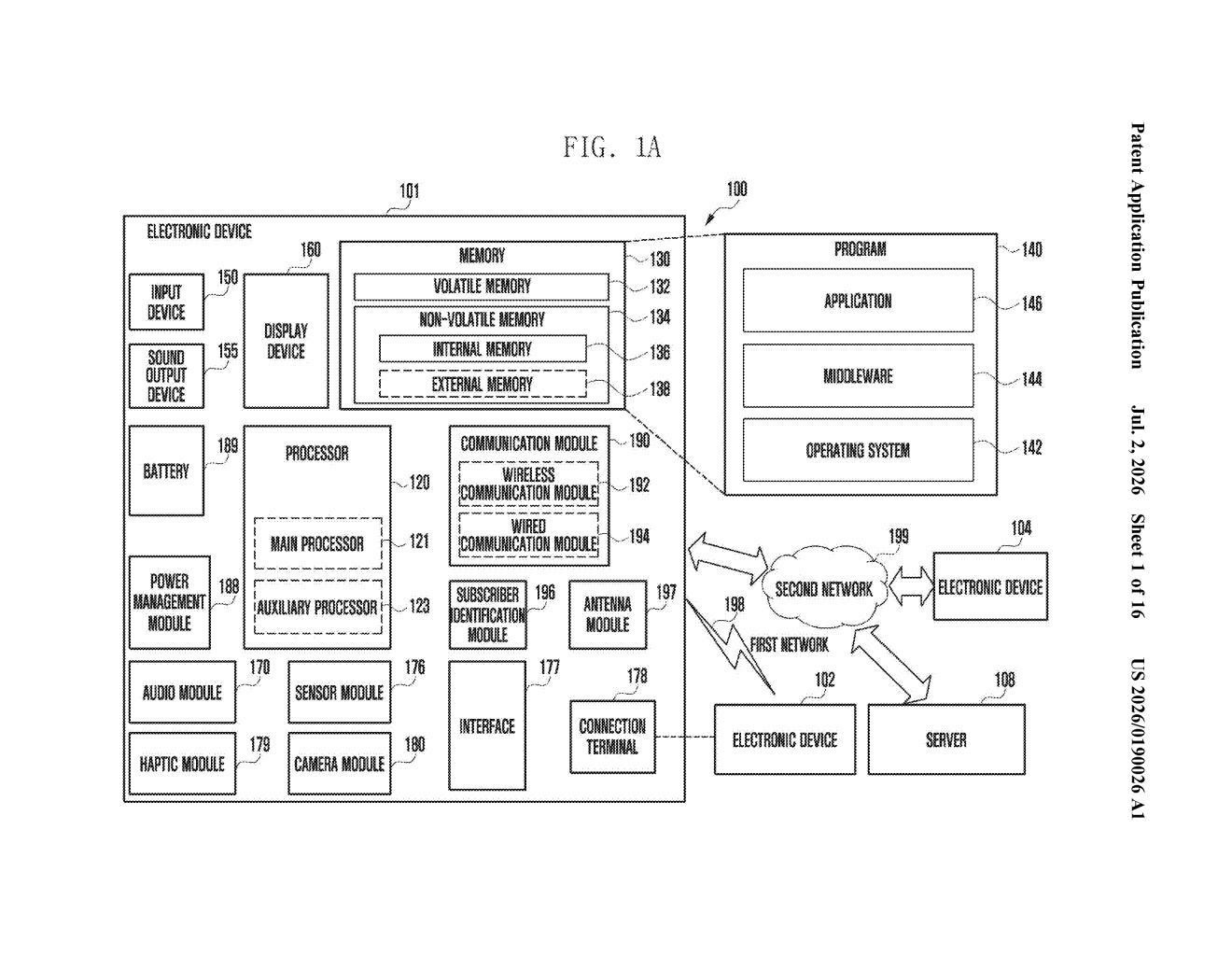
How Samsung's battery-saving 5G handshake works
Imagine your phone is at 15% battery and you're not streaming anything, just waiting for a message. Your 5G connection is still pulling full power, keeping multiple antennas active and a wide channel open, even though you don't need any of that right now. That's wasted energy.
Samsung's patent describes a system where your phone monitors its own power situation and then sends a short message to the cell tower saying, in effect, 'I need to save energy, please give me a simpler connection for now.' The tower can respond by narrowing the channel, reducing the number of antennas in play, or cutting back to fewer frequency bands.
The key idea is that the phone is the one asking, not the network guessing. Your device knows its own battery state better than any tower does, so putting the phone in charge of that conversation is more precise than anything the network could do on its own.
Inside the UE Assistance Information message exchange
The patent centers on a message called a UE Assistance Information (UAAI) message, which is already part of the 5G standard as a general-purpose way for a phone to tell a base station about its preferences. Samsung's approach uses this existing channel specifically for power-saving requests.
When executed, the system works roughly like this:
- One processor inside the phone monitors the device's current state, including battery level and usage patterns.
- That state information is handed to a second processor, which identifies which power-related parameters should be adjusted.
- The phone sends a RRC (Radio Resource Control) reconfiguration message back to the base station. RRC is the signaling layer that governs how a phone and tower set up and manage a connection.
- The UAAI message specifically requests reductions to one or more of: aggregated bandwidth (how wide a slice of spectrum the phone uses), the number of carriers (how many frequency bands are active at once), or the number of MIMO layers (MIMO, or Multiple-Input Multiple-Output, means using several antennas simultaneously for speed, but each active antenna burns power).
The result is a negotiated, phone-initiated reduction in radio complexity, active only when the phone signals it needs it.
What this means for 5G battery life on Galaxy phones
Battery life is one of the most consistent complaints about 5G phones. The faster speeds and wider connections 5G promises come at a real energy cost, and that cost hits hardest precisely when you don't need the speed. A system where your phone can voluntarily step down its connection when it's idle or low on charge could meaningfully extend daily battery life without requiring you to toggle airplane mode or manually switch to LTE.
For Samsung specifically, this fits a long-running effort to make Galaxy devices more power-efficient without sacrificing network compatibility. If this approach makes it into firmware, it would work at the modem level, invisibly to you, which is exactly how battery management should work.
This is incremental standards work, not a dramatic new idea, but it's the kind of careful plumbing that actually changes how long your phone lasts on a charge. The real question is how responsive carriers and base stations will be to these requests in practice, because the phone can ask all it wants. Samsung's implementation detail here is more interesting than the headline concept.
Get our take in your Top Stories
Liked this breakdown? Add Patentlyze as a preferred source on Google, and our plain-English take shows up more often in your Top Stories the next time Samsung patent news breaks.
There are more where this came from
We read every patent application Big Tech publishes and send you the ones worth knowing. Plain English, free, every week.
Want this weekly breakdown for a company we don't cover? Patentlyze Pro →