
Apple Patents Unfakeable Audio Alerts That Could Lock Down Your Mic and Camera
Apple is patenting a dedicated security chip that plays an audio tone every time your microphone or camera is activated, and that chip is isolated enough that no app on your phone can silence or fake it.
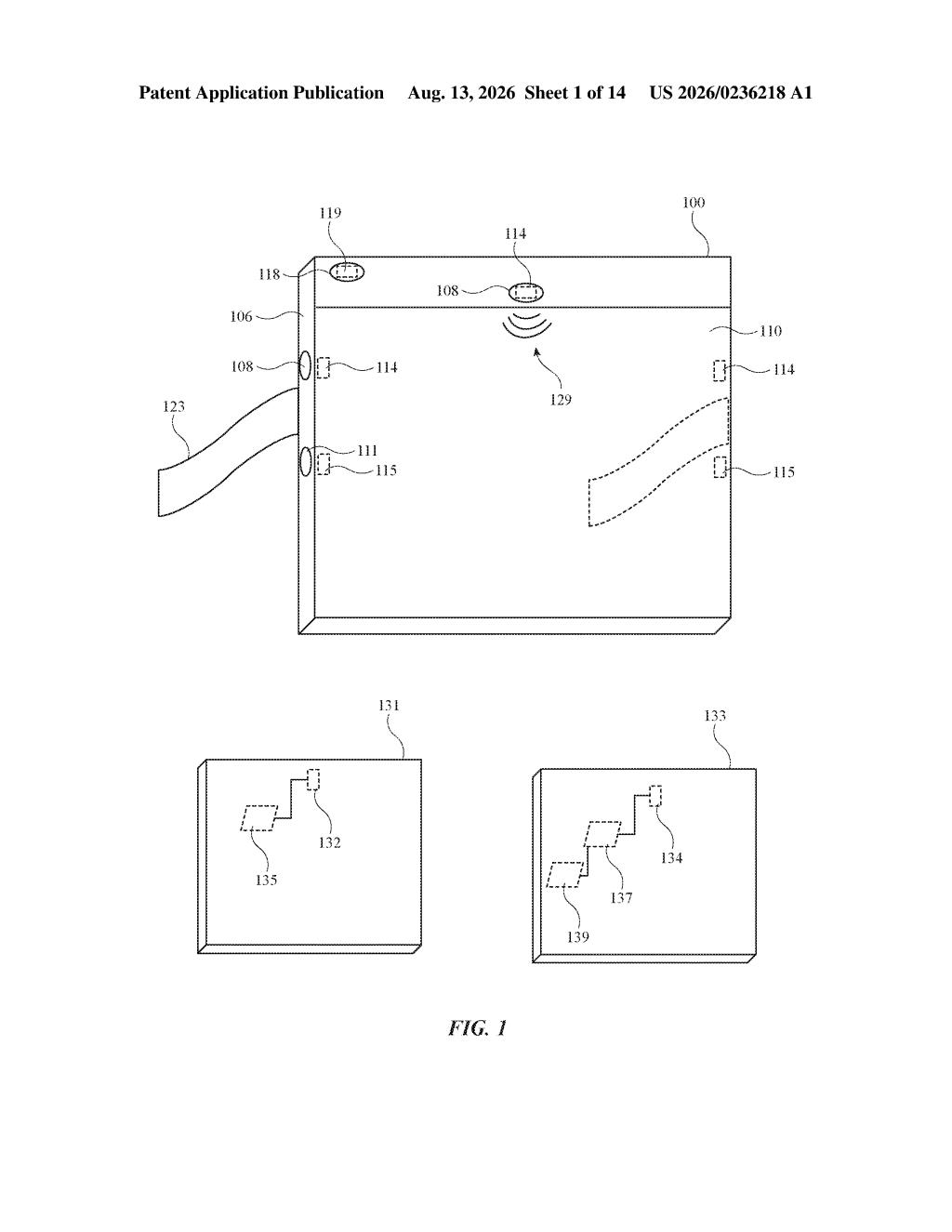
What Apple's secure audio warning system actually does
Your phone already shows a small orange dot when an app is using the microphone, but that indicator lives in software, and software can be manipulated. An app with enough access could, in theory, suppress or spoof it. Apple's new patent wants to close that gap with a hardware-level fix.
The idea is a dedicated secure audio processor, a small chip that sits outside the normal app environment, that plays a specific sound whenever your microphone, camera, or other input is activated. Because the chip operates independently, ordinary software running on your phone cannot intercept or block that alert. Think of it like a smoke alarm wired directly to the building's power supply rather than a plug-in you can yank from the wall.
The patent also covers a related feature for pairing two devices over audio. When one device sends an audio signal to pair with another, the system can detect and destroy any attempt by rogue software to inject a fake pairing signal through the same speaker.
providing, by a system process running on a processor of an electronic device to a secure audio processor at the electronic device, a command to generate an audio notification that one or more input components of the electronic device are in use …
Translation: The device uses a dedicated secure chip to trigger a sound whenever your microphone or camera is active.
How the secure audio processor keeps alerts from being faked
At the center of this patent is a secure audio processor, a dedicated chip that handles one job: generating audio alerts tied to the status of input hardware like microphones and cameras. It sits in a privileged, isolated part of the device and receives commands only from a trusted system process, not from user-facing apps.
When an input component is activated, here is the basic flow:
- A trusted system process on the main processor sends a command to the secure audio processor.
- The secure audio processor generates the audio signal entirely on its own, using its own internal resources.
- That signal goes directly to the speaker, bypassing the normal audio stack that apps can access.
The patent adds a second layer of verification: a secure microphone or transducer (a device that converts sound to an electrical signal) can listen back to confirm the alert actually played during the expected window. If the output is missing, the system knows something went wrong.
A separate but related part of the patent addresses audio-based device pairing, where devices exchange an acoustic signal to establish a connection. The system monitors for attempts by any process to emit a spoofed pairing signal through the speaker and can alter or block that signal before it gets out.
The electronic device may also detect and alter or destroy attempts to emit spoofed audio pairing signals using the speaker of the electronic device.
Translation: The system can identify and block fake audio signals that hackers might use to hijack your device connection.
What this means for iPhone privacy and audio pairing
For everyday users, this patent points toward an iPhone or Mac where privacy alerts are physically harder to suppress. Today's indicator dots rely on the operating system behaving correctly. A secure audio chip would mean that even if a piece of malware somehow ran on your device, it could not silently disable the audio cue that tells you your mic is live. That is a meaningful step up from software-only safeguards, particularly for users in high-risk environments.
The audio-pairing piece is less obvious but equally interesting. As Apple's ecosystem grows, pairing devices quickly and securely matters more, and an acoustic channel that actively resists spoofing could be a foundation for more trustworthy short-range device handshakes. The latest Big Tech patents in the device-security space show a clear industry direction toward moving trust anchors into dedicated silicon, and this filing fits squarely in that trend.
The core idea here is straightforward to explain but harder to ship than it looks. A secure audio processor that is truly isolated from the main application stack requires either new silicon or a carefully partitioned security enclave with its own audio path, both of which demand hardware changes that would ripple through Apple's internal chip design. The listen-back verification step, where a secure microphone confirms the alert actually played, adds another hardware dependency. The shortest route to a product is probably a software-enforced version using the existing Secure Enclave, which would land sooner but offer weaker guarantees. A full hardware implementation is a multi-generation chip project.
There are more where this came from
We read every patent application Big Tech publishes and send you the ones worth knowing. Plain English, free, every week.
The drawings
14 drawing sheets from US 2026/0236218 A1 · click any drawing to enlarge


Want this weekly breakdown for a company we don't cover? Patentlyze Pro →
Be the first to weigh in