
Apple
Apple · Security · Filed Jan 29, 2026 · USPTO published Aug 13, 2026 · Aug 13 release
Apple Patents Unfakeable Audio Alerts That Could Lock Down Your Mic and Camera
Apple is patenting a dedicated security chip that plays an audio tone every time your microphone or camera is activated, and that chip is isolated enough that no app on your phone can silence or fake it.
- Publication number
- US 2026/0236218 A1(US20260236218A1)
- Applicant
- Apple Inc.
- Filed · Published
- Jan 29, 2026 · Aug 13, 2026
- Inventors
- David M. TREMBLAY, Michael C. FRIEDMAN, Scott P. PORTER
- Status when we published
- Waiting for an examiner
- Document
- 23 claims
- US classification
- 700/94
- Parent application
- Claims priority from a provisional application 63757771 (filed Feb 12, 2025)
What Apple's secure audio warning system actually does
Your phone already shows a small orange dot when an app is using the microphone, but that indicator lives in software, and software can be manipulated. An app with enough access could, in theory, suppress or spoof it. Apple's new patent wants to close that gap with a hardware-level fix.
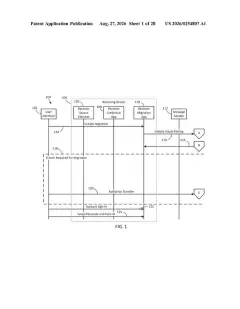
The idea is a dedicated secure audio processor, a small chip that sits outside the normal app environment, that plays a specific sound whenever your microphone, camera, or other input is activated. Because the chip operates independently, ordinary software running on your phone cannot intercept or block that alert. Think of it like a smoke alarm wired directly to the building's power supply rather than a plug-in you can yank from the wall.
The patent also covers a related feature for pairing two devices over audio. When one device sends an audio signal to pair with another, the system can detect and destroy any attempt by rogue software to inject a fake pairing signal through the same speaker.
providing, by a system process running on a processor of an electronic device to a secure audio processor at the electronic device, a command to generate an audio notification that one or more input components of the electronic device are in use …
Translation: The device uses a dedicated secure chip to trigger a sound whenever your microphone or camera is active.
How the secure audio processor keeps alerts from being faked
At the center of this patent is a secure audio processor, a dedicated chip that handles one job: generating audio alerts tied to the status of input hardware like microphones and cameras. It sits in a privileged, isolated part of the device and receives commands only from a trusted system process, not from user-facing apps.
When an input component is activated, here is the basic flow:
- A trusted system process on the main processor sends a command to the secure audio processor.
- The secure audio processor generates the audio signal entirely on its own, using its own internal resources.
- That signal goes directly to the speaker, bypassing the normal audio stack that apps can access.
The patent adds a second layer of verification: a secure microphone or transducer (a device that converts sound to an electrical signal) can listen back to confirm the alert actually played during the expected window. If the output is missing, the system knows something went wrong.
A separate but related part of the patent addresses audio-based device pairing, where devices exchange an acoustic signal to establish a connection. The system monitors for attempts by any process to emit a spoofed pairing signal through the speaker and can alter or block that signal before it gets out.
The electronic device may also detect and alter or destroy attempts to emit spoofed audio pairing signals using the speaker of the electronic device.
Translation: The system can identify and block fake audio signals that hackers might use to hijack your device connection.
What this means for iPhone privacy and audio pairing
For everyday users, this patent points toward an iPhone or Mac where privacy alerts are physically harder to suppress. Today's indicator dots rely on the operating system behaving correctly. A secure audio chip would mean that even if a piece of malware somehow ran on your device, it could not silently disable the audio cue that tells you your mic is live. That is a meaningful step up from software-only safeguards, particularly for users in high-risk environments.
The audio-pairing piece is less obvious but equally interesting. As Apple's ecosystem grows, pairing devices quickly and securely matters more, and an acoustic channel that actively resists spoofing could be a foundation for more trustworthy short-range device handshakes. The latest Big Tech patents in the device-security space show a clear industry direction toward moving trust anchors into dedicated silicon, and this filing fits squarely in that trend.
Source: US 2026/0236218 A1 at the USPTO (PDF). Full patent text and figures are in the official publication.
Get our take in your Top Stories
Liked this breakdown? Add Patentlyze as a preferred source on Google, and our plain-English take shows up more often in your Top Stories the next time Apple patent news breaks.
Add Patentlyze on Google
One click.
There are more where this came from
We read the new patents from Big Tech, carmakers and more and send you the ones worth knowing. Plain English, free, every week.
The drawings · 14 sheets
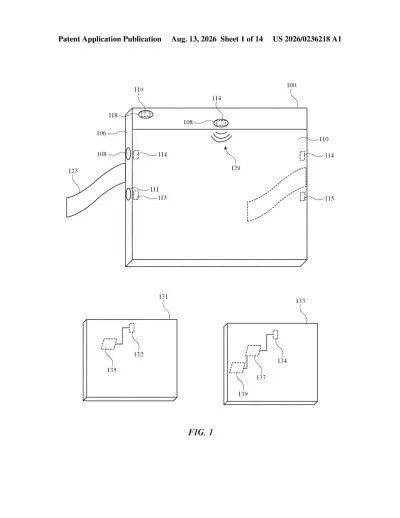
14 drawing sheets from US 2026/0236218 A1 · click any drawing to enlarge


Show the other 6 sheets


More from Apple
All 748 Apple patents →
More in Security
All 354 Security patents →
Google
Google's New Patent Stops Apps from Hearing Your Mic Until You Actually Trigger Them
Samsung
Samsung Patents an AI System That Reads Security Alerts and Checks Every Device Automatically
Samsung
Samsung Patents an AI System That Scores App Permissions for Privacy Risk
Microsoft