
Samsung Patents a Display That Dims Based on How Hot Your Phone Gets
Your phone's screen is one of the biggest reasons it overheats, and Samsung is patenting a way to automatically dial back brightness the moment the device gets too warm, taking the ambient light level into account at the same time.
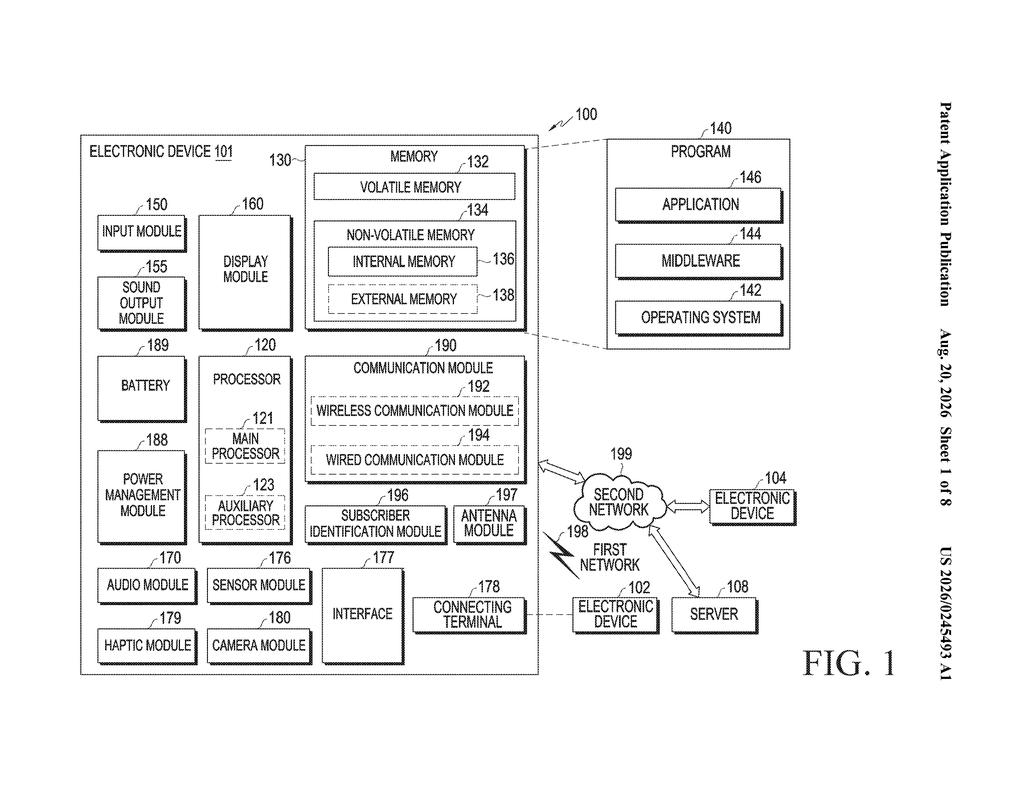
What Samsung's temperature-aware brightness control actually does
On a hot day, phones that get too warm sometimes throttle their processors, dim their screens, or even show an overheating warning. Right now, those responses tend to be blunt: the phone either does nothing until it hits a crisis point, or it cuts performance sharply. Samsung wants a more measured approach.
This patent describes a system where your phone constantly checks two things: how warm the device itself is, and how bright the room around you is. Once the temperature crosses a certain threshold, the phone looks up a pre-calculated brightness setting in a table stored in memory, one that accounts for both variables at once. If you're in a dark room, it dims the screen more aggressively because you don't need full brightness anyway. If you're outside in sunlight, it keeps more brightness on so you can still see the screen.
The result is a display that backs off heat-generating brightness before things get bad, while still giving you a screen that's actually usable in your environment.
… based on the obtained temperature value being equal to or greater than a threshold temperature value, obtain a brightness setting value corresponding to the obtained temperature value and the obtained illuminance value from brightness level information stored in the memory …
Translation: When the phone gets too hot, it checks a saved list to decide how much to dim the screen based on the current lighting.
How the device maps heat and light to a brightness value
The patent covers an electronic device with two sensor types working together: a temperature sensor (measuring the device's own heat) and an illuminance sensor (measuring surrounding light levels, the same kind that drives auto-brightness today).
When the device temperature hits or exceeds a threshold value, the system activates a lookup process. It takes the current temperature reading and the current light reading and uses them together to retrieve a brightness setting value from a table pre-stored in memory. That table maps combinations of temperature and illuminance to specific brightness levels, so the response is calibrated rather than binary.
The retrieved value is then set as the active brightness control value, directly governing the display output. Key points from the claim:
- The temperature check acts as a gate: below the threshold, normal auto-brightness applies; above it, this system takes over.
- Both temperature and illuminance feed into the lookup simultaneously, so the output reflects both conditions.
- The brightness level information lives in memory, meaning the decision is fast and local with no network dependency.
This is a closed-loop control scheme (a system that adjusts its output based on current conditions rather than waiting for a problem to worsen) applied specifically to display power management under thermal stress.
… the instructions, when executed by the at least one processor individually or collectively, cause the electronic device to obtain a temperature value of the electronic device by using at least one temperature sensor, obtain an illuminance value detected by using at least one illuminance sensor …
Translation: The device uses internal sensors to constantly monitor how hot the phone is and how bright the room is.
What this means for Samsung phones running in the heat
For everyday users, this addresses one of the more frustrating experiences with phones in warm weather: the screen suddenly becoming hard to read or the phone getting sluggish because thermal management kicked in all at once. A gradual, context-aware brightness reduction would reduce heat buildup before it becomes a problem, potentially protecting battery health and processor performance at the same time.
Samsung makes both the displays and the processors in its Galaxy devices, so a patent like this fits into a broader push to manage heat across the whole system rather than in isolated components. Display brightness is a major contributor to both power draw and heat generation, making it a logical target. Coverage of this kind of thermal-management approach sits alongside the newest Big Tech patents on display power and on-device sensor integration that have been appearing across the industry.
Samsung's 79th filing we've tracked in Samsung's display technology since May builds on ideas like the dual-screen gap concept and the edge touch fix.
Samsung's patent covers any screen that automatically adjusts brightness based on two factors once the device gets too hot. That is a very broad claim. It does not matter if the screen is on a phone, tablet, laptop, or smartwatch.
If approved, Samsung could use this to block other companies from building similar heat-aware dimming systems. The problem is that many products already do something like this, so patent officials will probably push back hard.
The core idea is smart and practical. The real fight is whether anyone else already patented this exact approach before Samsung did.
There are more where this came from
We read every patent application Big Tech publishes and send you the ones worth knowing. Plain English, free, every week.
The drawings
8 drawing sheets from US 2026/0245493 A1 · click any drawing to enlarge


Want this weekly breakdown for a company we don't cover? Patentlyze Pro →
Be the first to weigh in