
Disney Patents an AI System That Spots Failing Park Equipment Before It Breaks Down
Every major theme park runs on thousands of moving parts, and Disney is patenting a way to let an AI watch all of them at once so a problem machine gets flagged before guests ever notice something is wrong.
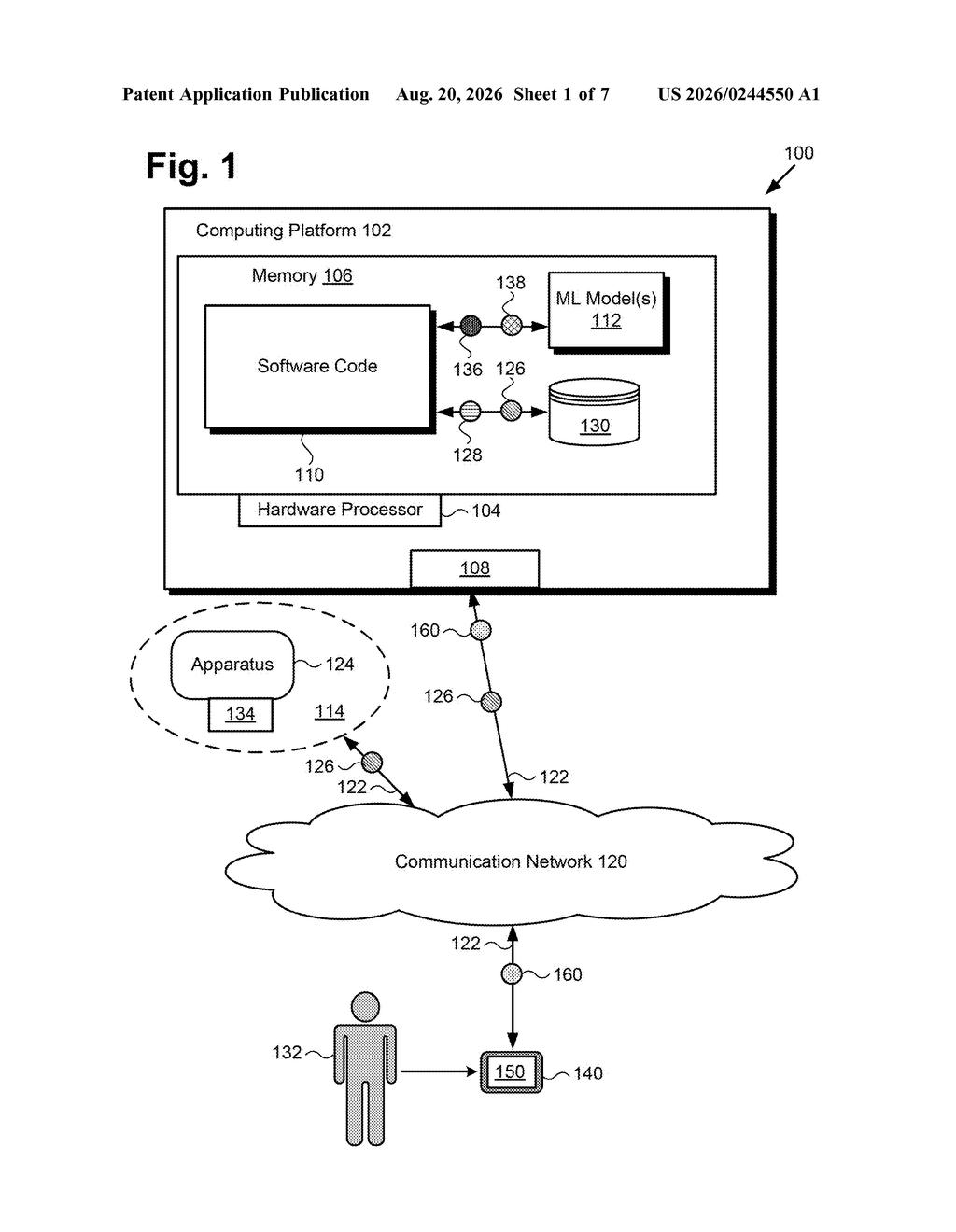
How Disney's sensor-watching AI flags a broken ride
Every time a rollercoaster launches a car, dozens of sensors log temperature, vibration, speed, and pressure. That data streams in constantly, from every ride, every attraction, every piece of equipment on the property, all at the same time.
What Disney's patent describes is a system that sorts through all of that sensor noise and keeps a dedicated eye on each individual machine. When your favorite ride's sensors start reporting something unusual, the system also checks what nearby or related sensors were reading at the same moment. It then feeds that combined picture into a trained AI model, which decides whether the machine is behaving outside its normal range.
If the AI says something is wrong, a notification goes out automatically, complete with a visual chart of the sensor data so a maintenance team can see exactly what tipped the alarm. The goal is catching small problems early, before they become ride closures or, worse, safety issues.
… identify, using the global sensor data, a first other sensor data generated by a sensor of the plurality of sensors not included in the first subset of the plurality of sensors within a respective predetermined time interval of an expected timing of at least one sensor of the first subset of the plurality of sensors; …
Translation: The system looks at outside sensors that might affect the equipment around the exact same time.
How the system clusters sensor data around each machine
The system maintains a sensor database that maps every sensor on a property to the specific machine it monitors. When fresh data arrives from all active sensors at once (what the patent calls "global sensor data"), the processor knows which readings belong to which machine.
For each machine, it pulls only that machine's assigned sensor readings. But here is the clever part: it also grabs readings from other sensors that fired within a set time window around the expected moment one of the machine's own sensors should have fired. That time-windowed context (think of it as "what else was happening at that exact second") is bundled together with the machine's own data to form a performance data package.
That package is fed into a pre-trained ML model (a pattern-recognition engine built on historical data about how the machine normally behaves) which returns a judgment: normal or anomalous.
- If normal, the system moves on.
- If anomalous, it generates a notification that includes a visual representation of the performance data, giving technicians an at-a-glance view of what went wrong and when.
The design handles many machines in parallel, not just one, so a single deployment could watch an entire park's worth of equipment simultaneously.
… output, when the first apparatus is operating anomalously, a notification including a visual representation of the performance data.
Translation: When something acts weird, the system sends an alert that includes charts of how it is performing.
What this means for theme park maintenance and safety
For theme parks, equipment downtime is expensive and safety oversights are unacceptable. A system that continuously monitors every machine and surfaces problems automatically could mean shorter inspection cycles, fewer surprise closures, and a faster path from "something seems off" to a technician standing in front of the right machine with the right data.
The broader category here, predictive maintenance powered by ML, is one of the more practical applications of AI in physical operations. Disney's angle, pulling in neighboring sensor data as context rather than judging each machine in isolation, is the specific design choice that makes this filing interesting to follow alongside other new Big Tech patents in industrial AI and equipment monitoring.
Disney's 29th filing we've tracked since June in our Disney coverage follows patents like the ride-warning system and the dialogue clarity fix.
The main claim here is written broadly. It covers any setup where a central computer links sensors to machines, grabs data from nearby sensors across a chosen time window, and runs a prediction model on the results. That reach goes far beyond theme parks. Factory floors, data centers, and hospital equipment networks could all fall under the same wording.
If approved as written, this patent could give its owner real power over a wide range of systems that predict when machines will break down. The key question is whether grabbing that time-sliced sensor data is actually a new idea, or whether industrial sensor networks were already doing it before this filing. That answer will decide whether this claim survives review.
There are more where this came from
We read every patent application Big Tech publishes and send you the ones worth knowing. Plain English, free, every week.
The drawings
7 drawing sheets from US 2026/0244550 A1 · click any drawing to enlarge


Want this weekly breakdown for a company we don't cover? Patentlyze Pro →
Be the first to weigh in