
Microsoft Patents Video Compression That Transfers Cleanly Between Different Devices
Microsoft has filed a patent for a compression system that lets one device encode video using a neural network while a completely different device, possibly running different software or hardware, decodes it correctly. That sounds obvious, but today's AI-based codecs often break when the two ends of a connection aren't running the same system.
What Microsoft's cross-device video compression actually does
Today's AI-based video compression systems have a quiet compatibility problem: the encoder and decoder typically have to run on the same type of hardware or software stack, or the output comes out wrong. Microsoft wants to fix that by making a key piece of information, called entropy distribution parameters, travel safely between any two devices regardless of what platform each one runs.
Entropy distribution parameters are basically a cheat sheet that tells the decoder how to interpret compressed data. Microsoft's approach packages that cheat sheet in a lossless format, meaning it arrives at the other end exactly as it left, with no rounding errors introduced by the compression step itself. The decoder can then reconstruct the video correctly even if it was encoded on a totally different system.
This matters for any scenario where your phone, laptop, or a cloud server are sending video back and forth and don't share the same AI compression engine. The patent also describes a way to share one cheat sheet across multiple groups of compressed data at once, which saves space.
producing, from the digital media, entropy distribution parameters for decoding the digital media using an adaptive entropy model, at least one of the entropy distribution parameters having been losslessly encoded in the digital media …
Translation: The system calculates the math needed to unpack the video using a model that adapts on the fly.
How the entropy parameters travel between encoder and decoder
Neural codecs (compression systems built on neural networks, rather than traditional mathematical rules) work by transforming video or image data into a compact representation called latents, a kind of condensed numerical fingerprint of the original content. To decode latents back into a picture, the decoder needs a statistical model that describes what values are likely to appear, called an entropy model.
The entropy model relies on parameters that describe the probability distribution of the compressed data. Think of it as the decoder knowing, before it even looks at the data, roughly what shape to expect. Microsoft's patent focuses on a two-layer system:
- Latents: the main compressed representation of the image or video frame.
- Hyperlatents: a second, smaller compressed representation that encodes information about the latents, essentially metadata that helps decode them.
The key move in this patent is that some of the entropy distribution parameters are losslessly encoded, meaning they are transmitted with zero rounding error. Traditional compression always introduces small numerical errors; lossless encoding avoids that entirely for these critical parameters. This lets a decoder on a different platform reconstruct the exact same statistical model the encoder used, even if the two machines handle floating-point numbers differently.
The patent also describes having a single set of hyperlatents serve as the decoding guide for multiple groups of latents at once, reducing the overhead of sending redundant side information.
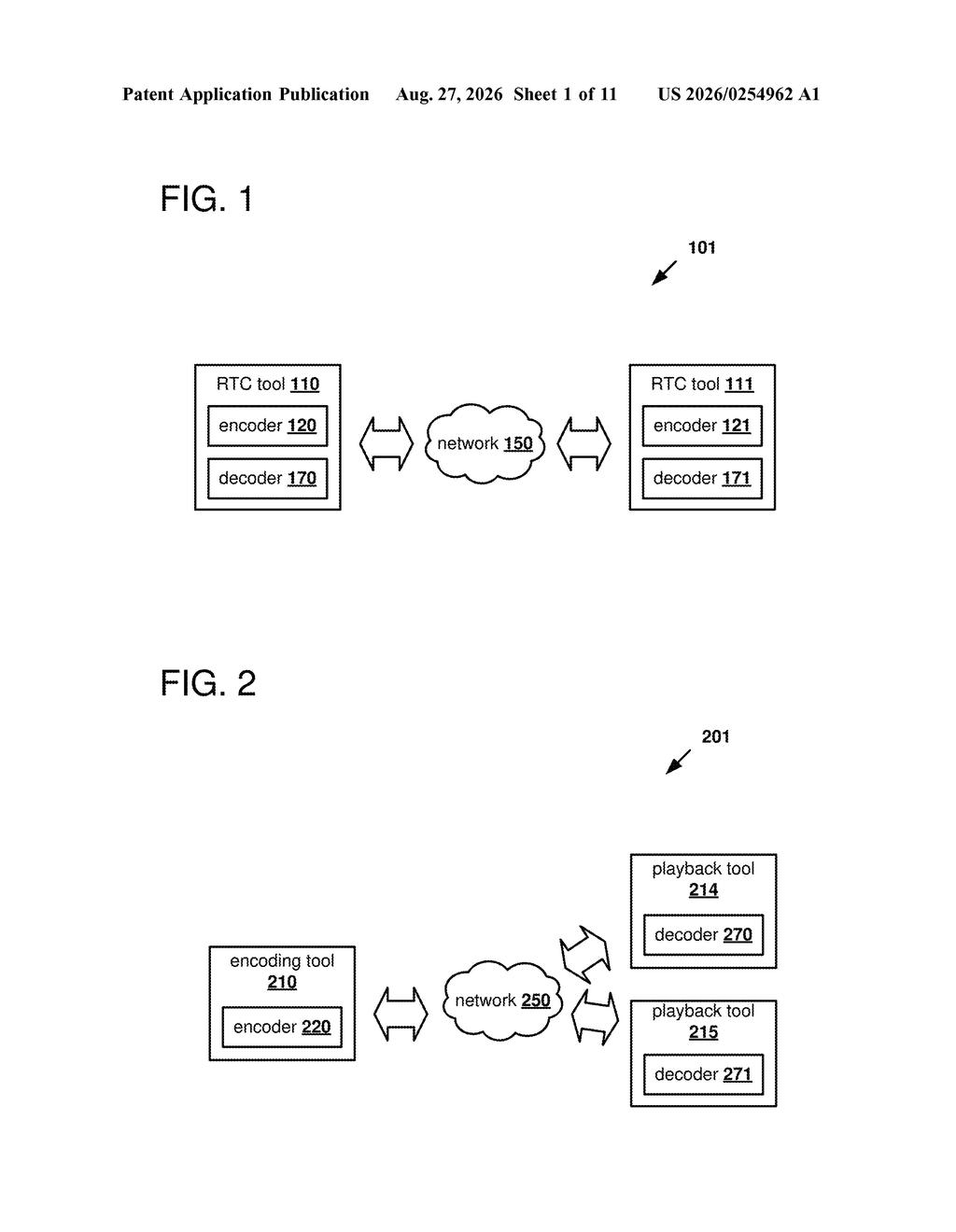
… a neural network codec system is implemented with a first platform used to encode digital media, such as image, video, or other media that is different than a second platform used to decode the digital media …
Translation: One device can pack the video data while a completely different type of device unpacks it seamlessly.
What this means for AI-compressed video on mixed hardware
For video calls, cloud gaming, or any service that streams AI-compressed content, the encoder and decoder rarely live on the same chip or even the same operating system. Current neural codecs often sidestep this by forcing both ends to run identical software, which limits where the technology can be deployed. A codec that handles the cross-platform mismatch in the compression format itself, rather than requiring matched software stacks, opens the door to wider deployment across phones, servers, and embedded devices.
Microsoft has been investing in AI-driven media compression for cloud services and Teams-class communication products, and this filing fits that trajectory. The lossless-parameter trick is a relatively targeted software fix, not a new chip architecture, which means the path from patent to shipping feature is shorter than many AI hardware filings. For readers tracking where neural compression is heading, the plain-English patent summaries covering this area of AI-codec filings show Microsoft steadily building out the cross-platform infrastructure layer that would let neural compression escape the lab.
This is the 25th Microsoft filing we've tracked in our Enterprise AI coverage since May, adding to work like the auto-dubbing quality check and the dual-model content suggester.
The core fix here is straightforward: when two devices compress and decompress video using AI-based tools, tiny rounding differences between machines can corrupt the result. Microsoft's approach is to send some of the decoding instructions in a lossless, exact form so both sides work from identical numbers. Nothing in the patent requires new chips or new hardware.
The change lives entirely in how compressed video files are packaged, which means any team already running a working AI compression pipeline could layer this on top without rebuilding from scratch. The honest open question is cost. Sending those instructions without compression means they take up more space, and the patent does not say how much.
That gap between the lab result and a shipping product depends entirely on whether that overhead is small enough to ignore in real calls and streams.
Get our take in your Top Stories
Liked this breakdown? Add Patentlyze as a preferred source on Google, and our plain-English take shows up more often in your Top Stories the next time Microsoft patent news breaks.
There are more where this came from
We read every patent application Big Tech publishes and send you the ones worth knowing. Plain English, free, every week.
The drawings
11 drawing sheets from US 2026/0254962 A1 · click any drawing to enlarge


Want this weekly breakdown for a company we don't cover? Patentlyze Pro →
Be the first to weigh in