
Google Patents a Way to Pull Health Data Out of a Photo of Your Screen
Google has filed a patent for a system that can look at a photo of a device's screen and extract the health data being displayed on it, no manual entry required.
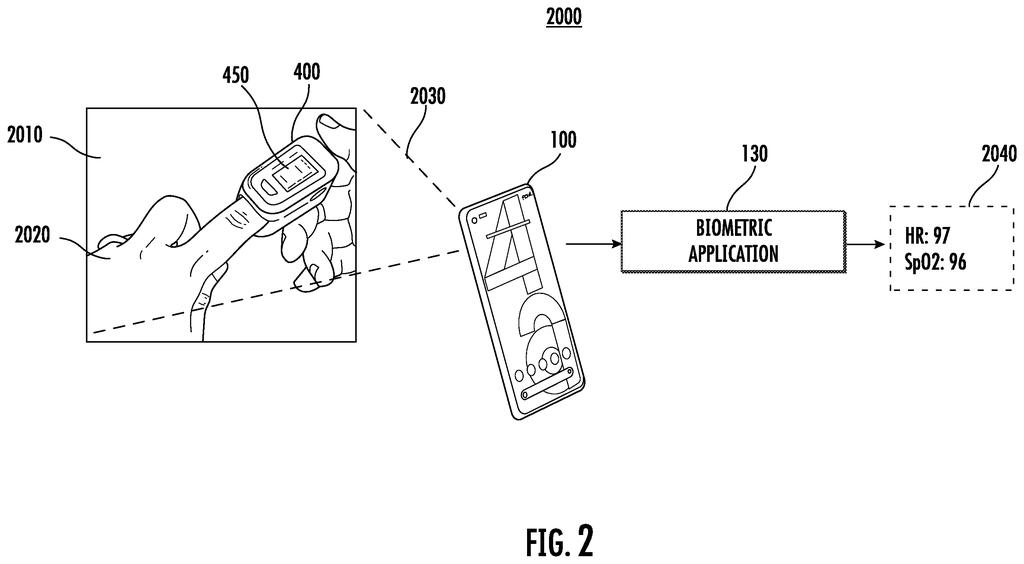
How Google reads your health stats from a screen photo
Health monitors and medical displays already show biometric readings on screen. The problem is that getting those readings into a second device, say, a phone or a cloud service, usually means typing the numbers in by hand or relying on a direct connection between the two gadgets.
Google's patent describes a different approach: take a photo of the screen showing the health data, and let software figure out what the numbers mean. The system uses what Google calls a "digital display function," which is essentially a decoder that already knows how that particular screen lays out its information. Because it knows the screen's format, it can pull out the actual biometric reading from the image rather than just seeing a picture of digits.
The result is that a second device, like a phone pointed at a glucose monitor or a heart-rate display, could automatically log your health readings without any manual transcription.
… obtain an image including the display screen displaying biometric information associated with a user of the biometric sensing computing device …
Translation: It takes a picture of a screen that is showing health measurements.
How the digital display function decodes biometric data
The patent describes a two-device setup. One device, called the biometric sensing computing device, is something like a health monitor or medical display that shows biometric readings on its screen. A second computing device, which could be a phone or a tablet, takes a photo that includes that screen.
The key step is what Google calls the digital display function. Before the image is even captured, the second device obtains display screen information about the first device's screen (think: the screen's layout, pixel structure, how it renders numbers, and how its display panel encodes color and brightness). That metadata acts as a decoding key.
When the image arrives, the system runs the digital display function against it. This lets the software separate the actual biometric content, a blood-oxygen percentage, a heart rate, a glucose reading, from the visual noise of the photo itself (glare, angle, ambient light). The output is biometric content information: the underlying health data in a form the device can store and use, not just a picture of numbers.
The claim is deliberately broad. It covers any computing device doing this extraction, any kind of display screen, and any biometric information shown on that screen, which means the approach could apply across a wide range of health-monitoring scenarios.
… execute a digital display function based on the display screen information to determine biometric content information from the image corresponding to the biometric information …
Translation: It processes the photo to extract the exact health numbers displayed on the screen.
What this means for remote health monitoring
For anyone who has ever squinted at a medical device and typed its readings into a phone app by hand, the appeal here is obvious. A system like this could make data transfer between health gadgets automatic, especially in cases where two devices have no shared wireless protocol or proprietary connection.
The broader significance is that Google is patenting a method that treats the screen itself as a data channel, not just a display. Health data from third-party devices that Google has no hardware relationship with could, in theory, flow into Google's ecosystem by camera alone. This area of biometric capture through optical means is one of the more active corners of interesting tech patents right now, as companies search for ways to absorb health data from the fragmented landscape of consumer and clinical monitors.
Google files its eighth application we've tracked in body-reading wearables since May, adding to earlier work like the heart-rhythm AI and the artery-pressure finger cuff.
Getting this feature into a real product would not take long. It is almost entirely clever software, with no special new hardware needed. Any phone with a camera could run it.
The one sticking point is that the phone needs to already know how the health monitor's screen is laid out before it can read that screen correctly. Google would need deals with device makers, or a giant reference library of screen layouts, to make that work.
That single dependency is the only real obstacle between this patent and a feature you could actually use.
There are more where this came from
We read every patent application Big Tech publishes and send you the ones worth knowing. Plain English, free, every week.
The drawings
9 drawing sheets from US 2026/0245723 A1 · click any drawing to enlarge


Want this weekly breakdown for a company we don't cover? Patentlyze Pro →
Be the first to weigh in