
IBM Patents a System That Watches for Fake Behavior Inside Virtual Worlds
If someone in a virtual world acts like a bot, a scammer, or an impersonator, how would the platform know? IBM's new patent describes a system that watches what avatars do, reads the context around those actions, and flags the ones that don't add up.
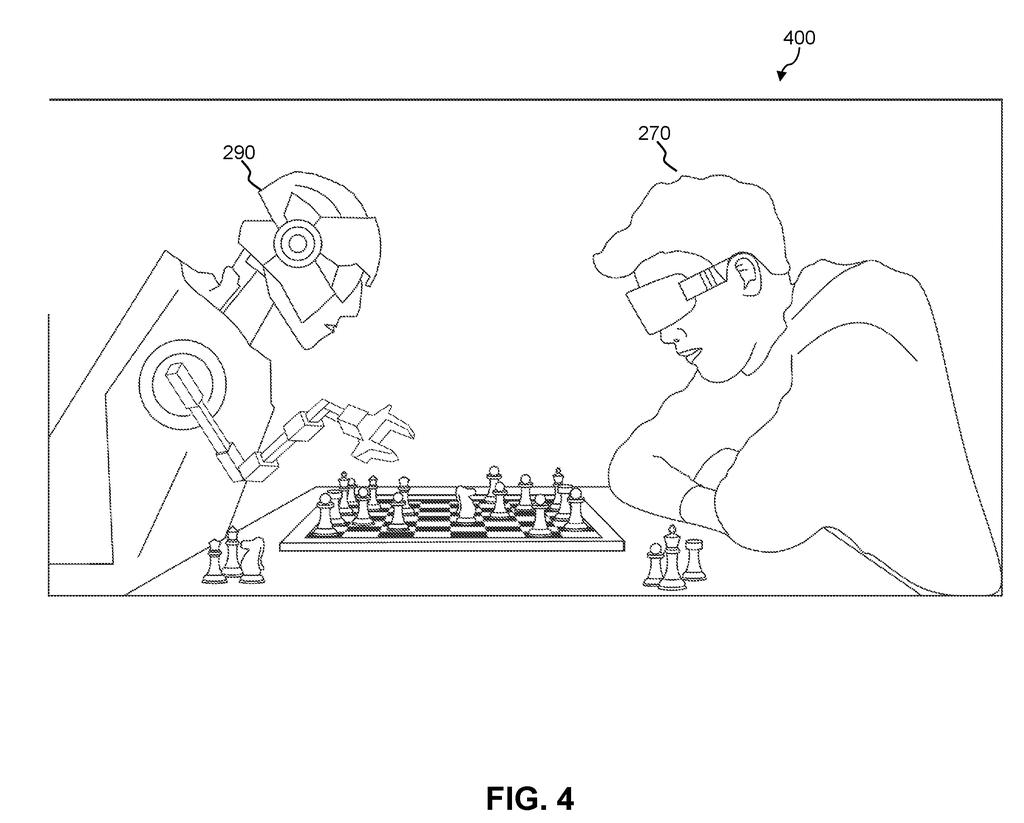
What IBM's avatar activity tracker actually does
Ever walked into a virtual space and wondered whether the other "people" there are actually people? It's a real problem: fake accounts, bots, and bad actors show up in online virtual worlds just as they do on social media, and the platform often has no good way to tell them apart from real users.
IBM's patent describes a system that monitors what your avatar does inside a virtual environment and pays attention to why you're doing it. If you're at a virtual concert, buying a virtual ticket, and chatting with friends, that looks one way. If the same account is clicking through hundreds of items in seconds with no clear purpose, that looks very different. The system figures out the "theme" of the space you're in and then decides whether your behavior fits.
Classifying activity by context rather than just raw action counts is the key idea here. The goal is to catch behavior that's suspicious specifically because it doesn't match what real people normally do in that kind of environment.
tracking, by a computing device, a plurality of activities associated with at least one avatar of the virtual environment; determining, by the computing device, a plurality of contextual information associated with the plurality of activities; …
Translation: The system monitors everything an avatar does and collects data about the situation surrounding those actions.
How the system reads context to classify avatar behavior
The patent describes a computer-implemented method with four main steps that work together to assess whether avatar behavior is authentic.
- Activity tracking: The system logs a wide range of things an avatar does inside a virtual environment, from movement and purchases to social interactions.
- Contextual information gathering: It also collects information about the situation around those actions, things like the type of virtual space, what other users nearby are doing, and the time patterns of the activity.
- Theme determination: Using that context, the system infers what kind of environment it's dealing with (a marketplace, a social hub, a game area) and what "normal" behavior looks like there.
- Classification: Finally, it labels each cluster of activity as fitting or not fitting the expected pattern for that theme.
The idea is that a single action (say, rapidly acquiring virtual goods) might be completely normal in one context and a red flag in another. By anchoring the analysis to the theme of the environment, the system avoids treating all fast activity as suspicious.
The patent doesn't specify exactly which classification algorithm is used, leaving that as an implementation detail. The core claim is on the four-step framework itself: track, contextualize, theme, classify.
… analyzing the plurality of activities based on the plurality of contextual information to determine a theme associated with the virtual environment and classifying the plurality of activities based on the analysis and theme.
Translation: The software looks at the collected data to figure out the general intent of the user and labels the behavior accordingly.
What this means for trust and safety in virtual spaces
For anyone who spends time in a virtual world, whether that's a gaming platform, a virtual workplace, or a social metaverse app, bot-driven fraud and impersonation are already real problems. Fake avatars inflate audience numbers, manipulate in-world economies, and sometimes target real users with scams. A context-aware detection layer sitting at the platform level could, in theory, catch those behaviors automatically without requiring users to manually report every suspicious account.
IBM is one of several enterprise tech companies trying to establish intellectual property in the metaverse security space, and this filing sits alongside a broader wave of latest Big Tech patents addressing identity and trust in virtual environments. Whether a system like this ever ships in a consumer product depends on how seriously platform operators treat the fraud problem, but the framing here, security enforced through behavioral context rather than just access controls, points toward where enterprise metaverse infrastructure thinking is heading.
IBM's 320th filing we've tracked since May in our IBM coverage follows work like the AI security clearance application and the autonomous drop-off safety scorer.
The failure this patent is trying to prevent is concrete: you get scammed by a fake account, or a bot floods a virtual marketplace with junk, and the platform has no idea it happened. A system that tracks what avatars actually do and understands the context around those actions, buying versus spamming, socializing versus harvesting, is a real step toward catching that before it reaches you.
You would only notice this working if you didn't get defrauded, which makes it almost invisible when it succeeds. That's not a knock against it; that's how good safety infrastructure behaves.
The patent stakes out the broad idea without locking in the specific methods, so whether this protects real people well depends entirely on how it gets built. The concept is sound. The engineering decisions that follow are where it either matters or doesn't.
Get our take in your Top Stories
Liked this breakdown? Add Patentlyze as a preferred source on Google, and our plain-English take shows up more often in your Top Stories the next time IBM patent news breaks.
There are more where this came from
We read every patent application Big Tech publishes and send you the ones worth knowing. Plain English, free, every week.
The drawings
6 drawing sheets from US 2026/0254851 A1 · click any drawing to enlarge


Want this weekly breakdown for a company we don't cover? Patentlyze Pro →
Be the first to weigh in