
Apple Patents a System That Catches Phones Faking Their Satellite Location
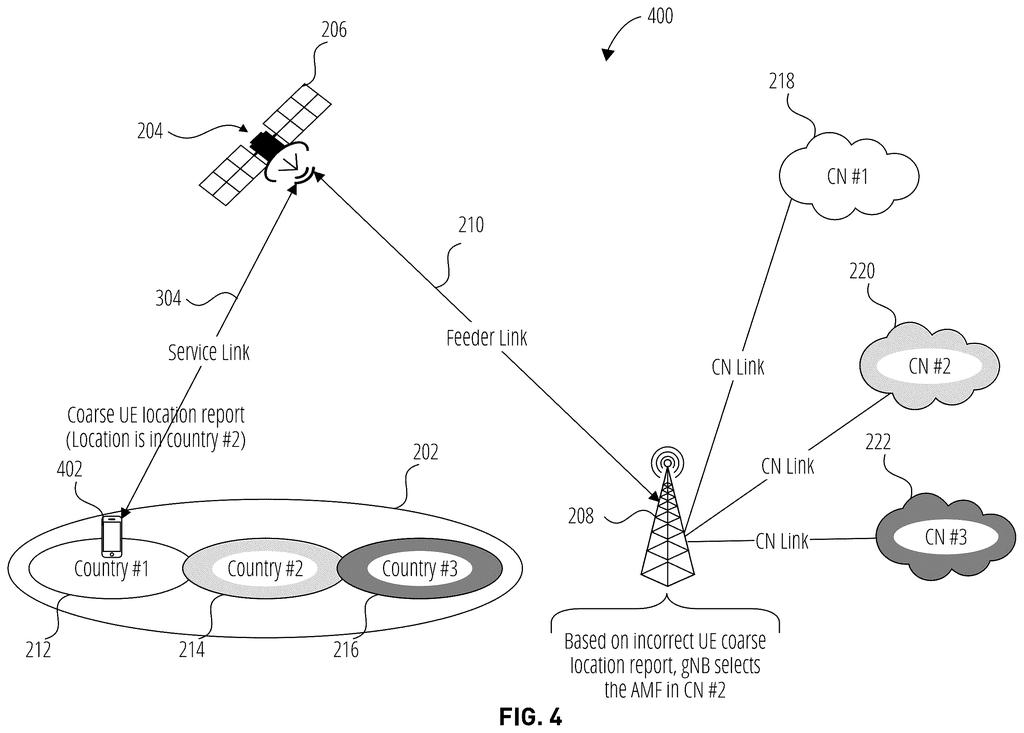
Satellite internet covers huge patches of the globe with a single beam, which means your phone could claim to be in one country while physically sitting in another. Apple has filed a patent for a method that lets cell towers catch exactly that kind of location mismatch.
What Apple's satellite location check actually does for you
Every time your phone connects to a satellite-based mobile network, it tells the network where it is. That matters because different countries have different rules about what content you can access, how much your data costs, and which regulations apply. Normally, the network takes your phone's word for it.
Apple's patent describes a way for the network to check that claim. Satellite coverage areas are divided into beams, each pointed at a specific patch of ground. The system sends your phone a test message through the beam that covers the location your phone reported. If your phone doesn't respond, it's a strong sign the phone isn't actually under that beam and therefore isn't where it says it is.
If the check fails, the network can restrict your access to services tied to that area. Think of it as a bouncer checking whether your ID matches the country on your ticket, except the bouncer is a satellite dish.
… determining, based on a failure to receive a response from the UE to the one of the RRC configuration message and the scheduling information message, that the UE is not located in the geographical area as indicated by the reported location …
Translation: The system catches a fake location when the phone fails to answer a message sent on the correct satellite beam.
How the base station catches a misreported location via beam signals
Satellite mobile networks, called non-terrestrial networks (NTN), use satellites in orbit to provide cell service. Because a single satellite can see a huge area, it splits its coverage into narrower beams, each aimed at a specific geographic zone. A device connected to the network can report which zone it occupies, and the network applies the local rules for that zone.
The patent describes a verification step the base station (the ground-based equipment managing the satellite) can run when it receives a location report from a device. The base station sends one of two types of test messages specifically over the beam covering the claimed location:
- A Radio Resource Control (RRC) configuration message, which is a standard housekeeping signal used to set up or adjust a device's connection parameters.
- A scheduling information message, which tells the device when it is expected to transmit or receive data.
If the device doesn't respond, that silence is treated as evidence it isn't under that beam. The patent also describes a second check: if a measurement report sent by the device lists a different beam as its strongest signal, that too can contradict the reported location.
Once the mismatch is confirmed, the base station restricts the device's access to network services that apply to the claimed area, such as local content, pricing, or regulatory permissions.
… a determination that a preferred beam indicated by a measurement report from the UE does not correspond to a beam for the reported geographical area …
Translation: It also flags devices when their preferred signal beam does not match the area they claim to be in.
What this means for satellite roaming rules and content access
For everyday users, this system is mostly invisible unless you're trying to use a service in a region you're not physically in. Apple's run of satellite-connectivity filings suggests the company is thinking carefully about how satellite features interact with country-level rules, which becomes a real problem as satellite phones go mainstream.
For regulators and carriers, it's more significant. A reliable location check on satellite networks closes a gap that doesn't really exist on traditional cell towers, where your physical proximity to a tower is itself a rough location proof. Satellite coverage is so wide that the gap has to be closed another way, and this patent describes one specific approach to doing that.
Apple's 362nd filing in our Apple coverage since May follows work on flickering AR lenses and per-LED screen control.
Claim 1 covers a specific chain of events: a satellite network sends a test message aimed at a narrow geographic beam, waits for the device to respond, and then restricts service if no response arrives. That sequence is concrete enough to matter. A competitor building a satellite fraud-detection system would need to avoid all three steps together to stay clear, not just swap out one piece.
The practical consequence is real. Any satellite operator wanting to verify that a phone actually sits inside a claimed coverage zone, and then cut service when it does not, would be working inside the boundary this claim draws if Apple secures the grant.
This is infrastructure that has to exist before regulators will trust satellite-based roaming at scale, and the claim is narrow enough that it describes a genuine engineering choice rather than a broad idea.
Get our take in your Top Stories
Liked this breakdown? Add Patentlyze as a preferred source on Google, and our plain-English take shows up more often in your Top Stories the next time Apple patent news breaks.
There are more where this came from
We read every patent application Big Tech publishes and send you the ones worth knowing. Plain English, free, every week.
The drawings
15 drawing sheets from US 2026/0261958 A1 · click any drawing to enlarge


Show the other 7 sheets


Want this weekly breakdown for a company we don't cover? Patentlyze Pro →
Be the first to weigh in