
Apple Patents a Way to Keep Satellite Connections Alive When GPS Gets Jammed
What happens when a nearby device's satellite uplink drowns out your GPS signal? Apple's latest patent describes a clever workaround: decode the timing of your neighbor's transmission gaps and use those to stay locked onto a satellite network anyway.
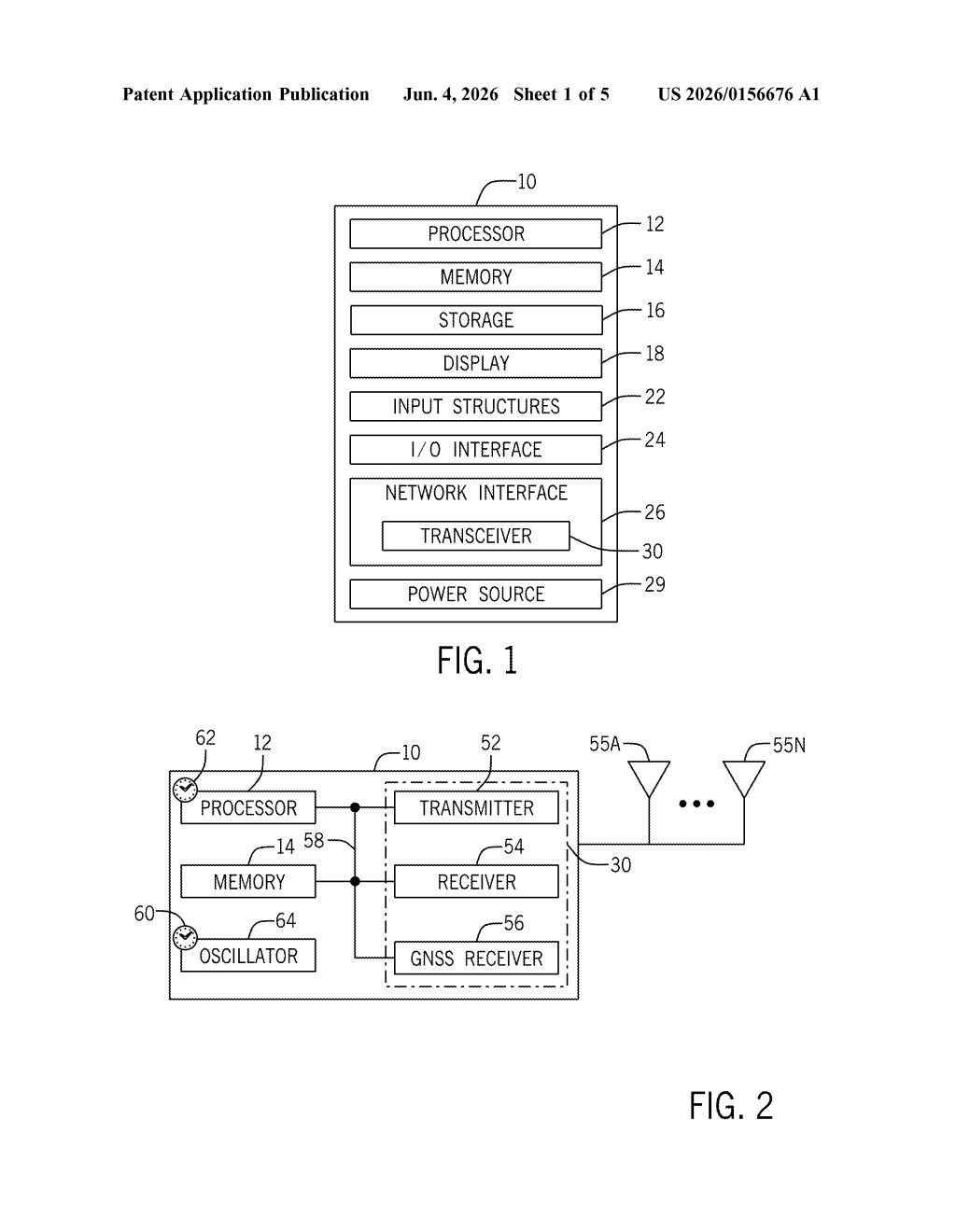
How Apple's device finds satellite timing without clear GPS
Imagine you're in a building where someone nearby is beaming data up to a satellite. Their transmissions are so loud they drown out the GPS signals your phone normally relies on to stay synchronized. Without that timing reference, your phone can't properly talk to its own satellite network — it doesn't know when to send or receive.
Apple's patent describes a fix baked into the device itself. Instead of giving up when GPS is overwhelmed, your phone listens for the brief silences — the tiny gaps the nearby device leaves between its transmissions. Those gaps aren't random; they follow a predictable, stored pattern tied to the satellite network's clock. By matching the gaps it hears against a pattern it already knows, your phone can reconstruct the timing it needs.
The result: your device can maintain a working satellite connection even when a neighbor's uplink is essentially stepping on your GPS. It's a kind of radio-frequency judo — using the interference itself as a timing guide.
How the quiet-period pattern substitutes for a GPS clock
The patent addresses a real-world collision between two satellite-dependent technologies: GNSS (Global Navigation Satellite Systems, the umbrella term for GPS and its cousins) and NTN (Non-Terrestrial Networks — satellite-based cellular links like those used in iPhone's Emergency SOS via satellite or future NTN-5G services).
NTN communication requires the device to synchronize to an external clock provided by the satellite network. Normally, a device derives this timing from GNSS signals. The problem: if another device nearby is transmitting its own NTN uplink, those transmissions can partially or fully mask the GNSS signals your device is trying to read.
Apple's solution involves a two-part coordination mechanism:
- The transmitting nearby device embeds a predetermined pattern of quiet periods — deliberate silences — within each frame cycle of its transmissions.
- The receiving device stores a copy of that same quiet-period pattern. When it detects GNSS interference, it listens for those silences, matches them against the stored pattern, and uses the time offset between the quiet periods and known frame boundaries to reconstruct the satellite clock.
This lets the device calculate exactly when each satellite transmission frame begins and ends, effectively substituting the embedded silence pattern for the blocked GNSS timing signal. The first independent claim also covers the scenario where the device receives a direct external clock indication from GNSS first, then falls back to the interference-pattern method when GNSS is degraded.
What this means for satellite connectivity in crowded airwaves
As satellite-direct cellular connectivity becomes a real feature — not just an emergency fallback — the density of devices talking to satellites simultaneously will grow. That creates exactly the kind of mutual interference problem this patent addresses. A packed stadium, an apartment building, or even two people standing next to each other could have their satellite timing references fighting each other.
For Apple specifically, this matters because the iPhone already ships with satellite emergency features, and Apple has been expanding NTN capabilities. Building robust coexistence logic directly into device hardware means those features stay reliable in messy real-world RF environments — without requiring coordination from the satellite operator or changes to the network infrastructure.
This is genuinely useful engineering work, not a speculative moonshot. The problem — two satellite-linked devices stepping on each other's GPS timing — is a predictable consequence of mass-market NTN adoption, and Apple is filing a hardware-level fix before it becomes widespread. It's not flashy, but it's exactly the kind of infrastructure problem that separates reliable satellite features from ones that fail at concerts and airports.
There are more where this came from
We read every patent application Big Tech publishes and send you the ones worth knowing. Plain English, free, every week.
Want this weekly breakdown for a company we don't cover? Patentlyze Pro →