
Apple Patents a System That Hands Your Phone Off from Cell Towers to Satellites
Losing cell service in a dead zone is frustrating enough. Apple is patenting a way for your phone to automatically check satellite coverage before the cell signal even disappears, so the handoff happens on your terms rather than the network's.
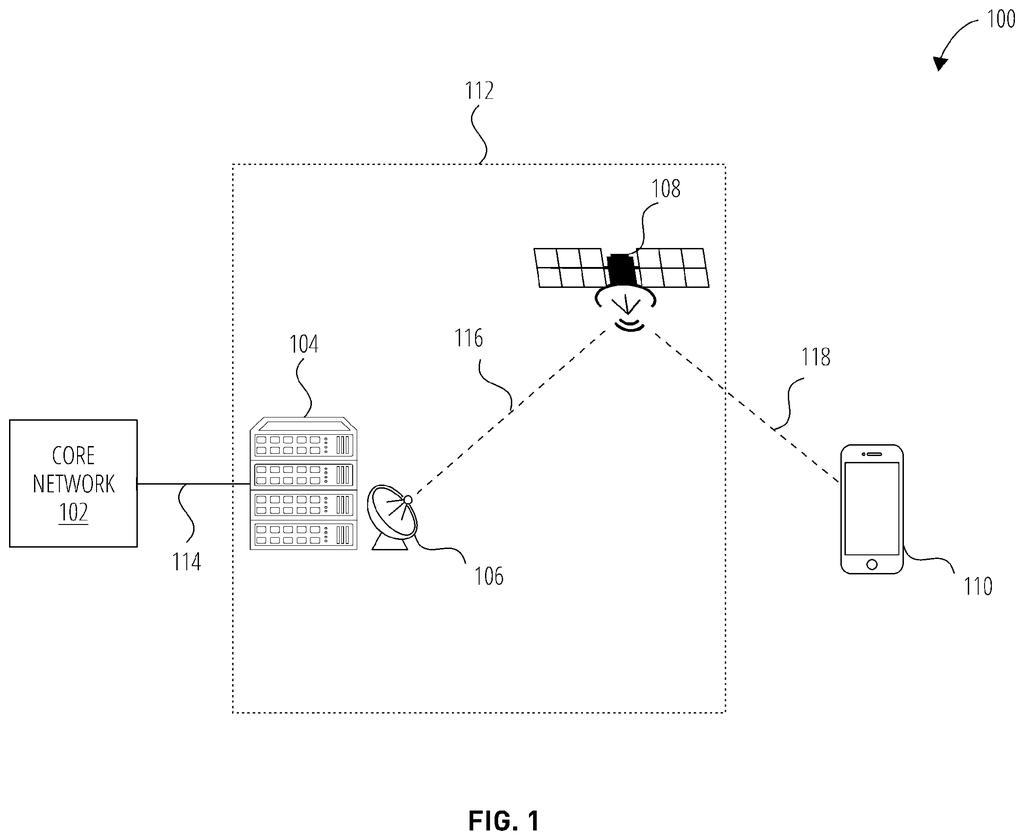
How Apple's satellite handoff would work on your iPhone
Ever tried to make a call in a rural area, only to watch the bars vanish and get nothing? That moment of dead air is exactly what this patent is trying to prevent.
Apple is working on a method that lets your phone learn about nearby satellite "cells" while it's still connected to a regular ground-based tower. The tower broadcasts a kind of cheat-sheet: the satellite's orbit path, the right timing to contact it, and the conditions under which your phone should start measuring whether the satellite connection is strong enough to switch over. Your phone does the math in the background.
When those conditions are met, your phone measures the satellite signal and, if it looks good, makes the jump. The key detail is that all this prep work happens before you lose your ground connection, not after, so you're not scrambling to reconnect from scratch in a dead zone.
receiving, from a network, on a terrestrial network (TN) cell, system information (SI) comprising cell reselection configuration information for a non-terrestrial network (NTN) neighbor cell of the network …
Translation: Your phone gets instructions from a cell tower about nearby space satellites it can switch to.
How the TN cell pre-loads satellite timing and orbit data
The patent describes a handoff process that bridges two very different types of cellular infrastructure: terrestrial networks (TN), the familiar cell towers on the ground, and non-terrestrial networks (NTN), which includes low-Earth-orbit satellites.
The core mechanism works like this: while a device (called a user equipment, or UE, in standards language) is in RRC Idle or RRC Inactive mode (meaning connected enough to receive paging but not actively in a call or data session), the serving ground cell pushes out system information (SI) that includes a full configuration package for a neighboring satellite cell. That package contains:
- Ephemeris data (the satellite's predicted position over time, essentially its orbital schedule)
- Timing Advance (TA) information (a correction value so the device knows exactly when to transmit, since satellites move fast and signal travel time changes constantly)
- An epoch time and validity window (timestamps telling the device how long this orbital data stays accurate)
- Cell reselection conditions (thresholds the device must check before it even bothers measuring the satellite signal)
The device evaluates those conditions, which might include checking whether the satellite is within a valid coverage window, whether the ground signal has weakened below a threshold, or whether a minimum time has elapsed. Only when conditions are met does it begin actively measuring the satellite cell's signal quality. If the satellite looks viable, the device reselects to it, completing the handoff without any manual action from the user.
… an epoch time, a validity duration for the cell reselection configuration information, ephemeris information, timing advance (TA) information …
Translation: The system tracks precise orbital data and timing so your phone knows where the satellite is.
What automatic satellite fallback means for coverage gaps
For most people, this would show up as fewer dead zones. Instead of your phone throwing up its hands the moment a cell tower goes out of range, it could switch to satellite coverage the same way it already switches between cell towers today, automatically, in the background, without you touching anything. Rural roads, flights, and remote areas are the obvious places you'd notice the difference.
The practical challenge this patent tackles is that satellites aren't static like towers. Apple's run of non-terrestrial network filings reflects that building satellite connectivity into existing phone standards requires solving timing and positioning problems that ground networks never had to worry about. Pre-loading orbit data while ground coverage is still good is a cleaner answer than trying to calculate all of that mid-switch.
That makes this Apple's 409th filing in our Apple coverage since May, adding to a run that includes one on anticipating device use and one on an animated clock face.
Losing your connection mid-call or mid-drive because you wandered too far from a cell tower is a familiar frustration. This patent describes a way for your phone to scout nearby satellite coverage while you still have a ground signal, so the switch happens before you drop rather than after.
The concrete payoff is continuity. Instead of your call cutting out and your phone scrambling to reconnect, the handoff happens in the background, at a moment of the network's choosing rather than in a moment of crisis.
Apple already offers satellite connectivity for emergencies, and this work is clearly aimed at making satellite a routine backstop rather than a last resort. The person who benefits is anyone who's ever watched their signal bars fall to zero on a highway or in a rural town.
There are more where this came from
We read every patent application Big Tech publishes and send you the ones worth knowing. Plain English, free, every week.
The drawings
18 drawing sheets from US 2026/0281849 A1 · click any drawing to enlarge


Want this weekly breakdown for a company we don't cover? Patentlyze Pro →