
Microsoft Patents an AI That Reads Long Documents in Sections to Answer Your Questions
AI assistants are notoriously bad at reading long documents without losing track of what's in them. Microsoft has a patent for a system that tackles this by breaking documents into chunks, scoring each chunk for relevance, and then doing a focused second pass on only the most promising parts.
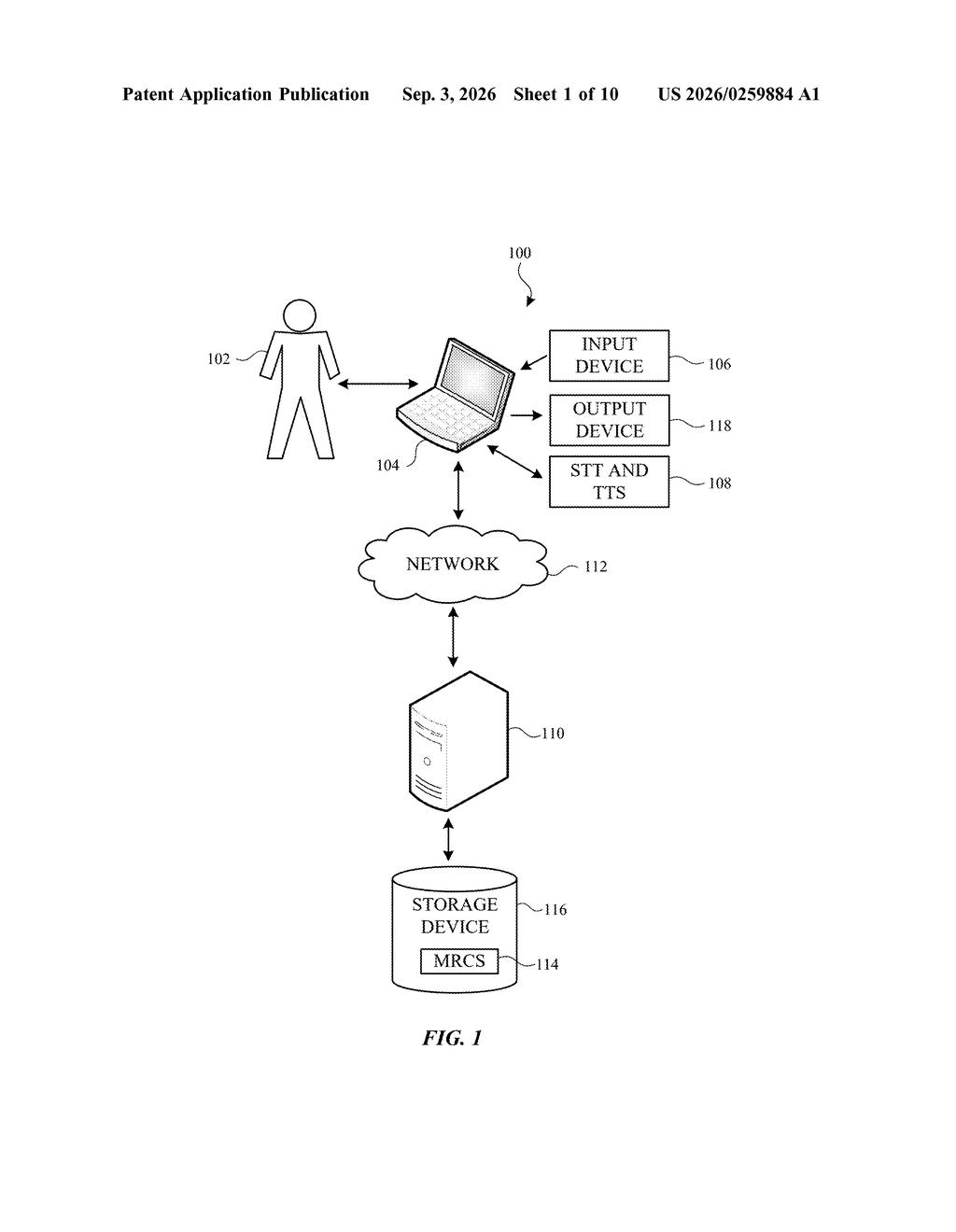
What Microsoft's document question-answering system actually does
Every time you ask an AI tool a question about a long document, it has to figure out which part of all those pages actually contains the answer. For a ten-page file, that's manageable. For a hundred-page contract or research report, it gets messy fast.
Microsoft's patented system handles this by splitting the document into sections and scoring each section independently. The score reflects how closely that chunk relates to your question. Once every section has a score, the system ranks them and goes back to re-read only the top scorers, using that focused second pass to produce a final answer.
The result is that the AI doesn't have to hold an entire long document in its head at once. It works in stages, which is more like how you skim a report before reading the relevant pages closely.
The MRCS divides the document into multiple sections with each section including a portion of the document. Each section is processed separately by one or more processing circuitries to determine a score for that section.
Translation: The system breaks long files into smaller chunks and grades each piece to see how relevant it is.
How the system scores, ranks, and re-reads document sections
The system described in the patent is called a Machine Reading Comprehension System (MRCS). Its job is to take a multi-page document and return a specific answer to a specific question, rather than just a summary or a keyword hit.
The process works in two main passes:
- Section scoring: The document is divided into sections (think: page ranges or logical chunks). Each section is processed separately by the system's processing circuits, which assign a score indicating how relevant that section is to the query and how likely it contains a valid answer.
- Ranking and re-reading: All sections are then ranked by their scores. A smaller subset of the highest-ranked sections is selected and processed again, this time with the goal of producing the actual predicted answer.
- Final answer extraction: The second pass over the top-ranked sections generates a precise answer rather than just pointing to a location in the document.
The two-pass approach matters because processing every section at full depth would be computationally expensive. By doing a cheap relevance scan first and an expensive answer-extraction step only on the top candidates, the system stays practical even for very long files, the patent mentions documents ranging from two pages to hundreds.
What this means for AI tools that handle long reports and contracts
For anyone who uses an AI tool to query a lengthy PDF, a legal contract, or a technical manual, this kind of architecture is what stands between a useful answer and a hallucinated one. When AI systems try to process very long documents all at once, they can lose track of context and produce answers that sound plausible but miss the actual relevant passage. A staged approach that surfaces the most promising sections first reduces that risk.
Microsoft's ongoing work on document AI sits squarely in the enterprise software space, where users regularly deal with reports and filings that run into the hundreds of pages. If this system ends up in something like Copilot for Microsoft 365, it's the kind of under-the-hood improvement you'd notice not by seeing a new button, but by getting correct answers instead of wrong ones.
Microsoft's 51st filing in AI assistant & agent patents we've tracked since May builds on ideas like auto-built agent teams and reused predictions for speed.
You ask a question about a long document, and the AI finds the right passage instead of confidently pulling an answer from the wrong section entirely. That failure is common enough that most people have already experienced it, usually at the worst possible moment at work.
The system earns that reliability by working in two passes: a quick skim to identify the most promising sections, then a careful read of only those sections to form an answer. For long, dense, or technical documents where the answer is buried far from page one, that approach should hold up noticeably better than systems that try to process everything at once.
One honest caveat: the first twenty legal claims in this filing are listed as canceled, meaning what Microsoft actually owns here is still being worked out. The product benefit is clearer right now than the legal picture.
Get our take in your Top Stories
Liked this breakdown? Add Patentlyze as a preferred source on Google, and our plain-English take shows up more often in your Top Stories the next time Microsoft patent news breaks.
There are more where this came from
We read every patent application Big Tech publishes and send you the ones worth knowing. Plain English, free, every week.
The drawings
10 drawing sheets from US 2026/0259884 A1 · click any drawing to enlarge


Show the other 2 sheets


Want this weekly breakdown for a company we don't cover? Patentlyze Pro →
Be the first to weigh in