
Microsoft Patents a Data System That Only Unpacks the Records You Actually Need
Most cloud systems store your data in a way that forces them to unpack everything just to find one thing. Microsoft's new patent describes a pipeline that skips that step entirely, pulling and decompressing only the specific slice of data you asked for.
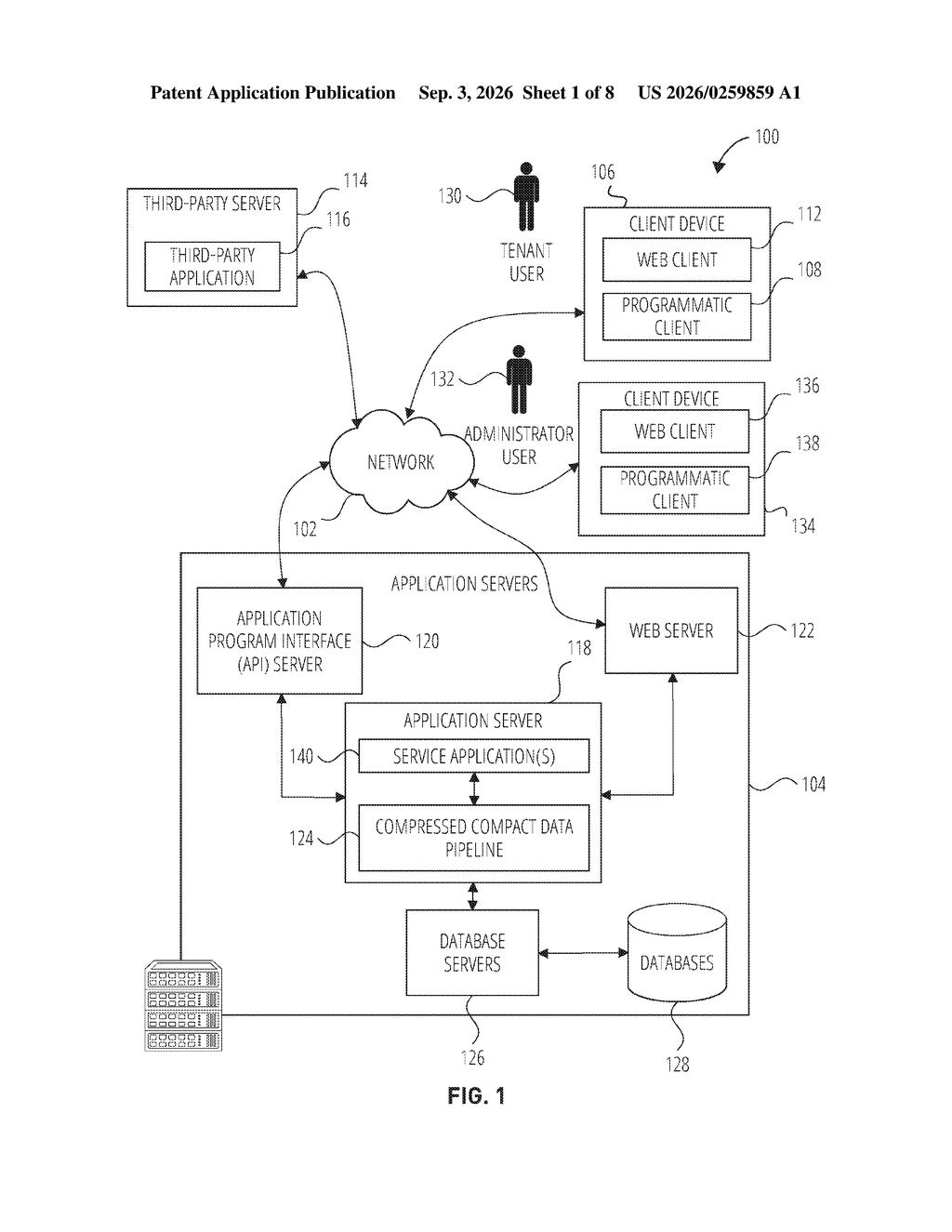
How Microsoft's compressed data storage actually works
Ever tried to find one email in a ten-year archive? Your mail app has to load a lot more than that one message to get to it. Cloud data systems often work the same way: to answer a small question, they retrieve and unpack enormous files.
Microsoft's patent describes a smarter pipeline for this problem. Incoming data streams tied to a user get compressed into a single running record. That record is then organized into time-based buckets (think: hour, day, month, year) so the system always knows where each chunk lives. When someone asks a question about, say, last Tuesday, the system pulls only that Tuesday slice and unpacks only that.
The result is that a cloud service can answer time-specific queries without touching the rest of the archive. That means less processing, lower storage costs, and faster answers, especially when the archive spans months or years.
… retrieving only the identified segment from the first cloud storage system; and decompressing only the retrieved segment at runtime for analysis without decompressing other segments of the single compressed iterative record.
Translation: The system downloads and opens only the specific time chunk needed for analysis, leaving the rest packed.
Inside the waterfall model and incremental compression logic
The patent lays out a four-step pipeline for handling continuous streams of user data in a cloud environment.
- Incremental compression: As raw data records arrive over time, an algorithm compresses them into a single evolving record rather than creating separate compressed files for each batch. Think of it like a zip file that you keep adding to, rather than rezipping from scratch each time.
- Waterfall data model: The compressed record is sliced into hierarchical time segments (predefined intervals that nest inside each other, like hours inside days inside months). This is the "waterfall" structure: each level rolls up into the next, so the system always has a map of where each time window lives inside the file.
- Targeted retrieval: When a query arrives for a specific time window, the system identifies the matching segment in the compressed record and retrieves only that segment from cloud storage, leaving everything else untouched.
- Runtime decompression: Only the retrieved segment is decompressed, on the fly, at the moment of the query. The rest of the archive stays compressed in storage.
The combination of incremental compression and segment-aware retrieval means the system avoids two common inefficiencies: over-fetching data from storage and over-decompressing data that was never needed.
… organizing the single compressed iterative record into hierarchical segments based on predefined time intervals using a waterfall data model …
Translation: The compressed file is sorted into time based layers using a waterfall structure.
What selective decompression means for cloud costs and speed
For cloud services that track user activity over long periods (health apps, productivity tools, analytics dashboards), storage and compute costs scale fast. A system that decompresses only what a query needs, rather than an entire archive, could meaningfully reduce both the processing time per query and the bill from the cloud provider.
Microsoft's run of cloud-efficiency filings fits a clear pattern: as Azure competes for enterprise workloads, patents that cut the cost of storing and querying large user datasets have direct commercial value. For you as an end user, the practical promise is that a service built on this approach could answer questions about your long historical data, say your activity over the past two years, just as fast as it answers questions about yesterday.
Microsoft's 380th filing in our Microsoft coverage since May adds to a pattern of language tools, joining the long-document reader and the fuzzy-date parser.
Microsoft's patent describes a way to compress years of user data into a single tidy record and pull out only the relevant slice when needed, all in software, with no new hardware required.
The main work left is filling in the specific compression and time-slicing details the document deliberately leaves open, but everything else a cloud service would need already exists. That makes the distance to a real product unusually short.
The most obvious early home is any service drowning in years of user history, health apps or workplace tools, where this would cut storage costs rather than add a visible new feature. Cheaper plumbing rarely makes headlines, but it often makes bolder products possible.
Get our take in your Top Stories
Liked this breakdown? Add Patentlyze as a preferred source on Google, and our plain-English take shows up more often in your Top Stories the next time Microsoft patent news breaks.
There are more where this came from
We read every patent application Big Tech publishes and send you the ones worth knowing. Plain English, free, every week.
The drawings
8 drawing sheets from US 2026/0259859 A1 · click any drawing to enlarge


Want this weekly breakdown for a company we don't cover? Patentlyze Pro →
Be the first to weigh in