
Sony Patent: AI Coach Watches You Lose, Then Helps You Win
Getting stuck on a brutal boss or a skilled online opponent is one of the most common reasons people quit a game entirely. Sony is patenting a system that watches how you play, reads your controller inputs in real time, and then builds a personalized training session to help you beat whoever keeps destroying you.
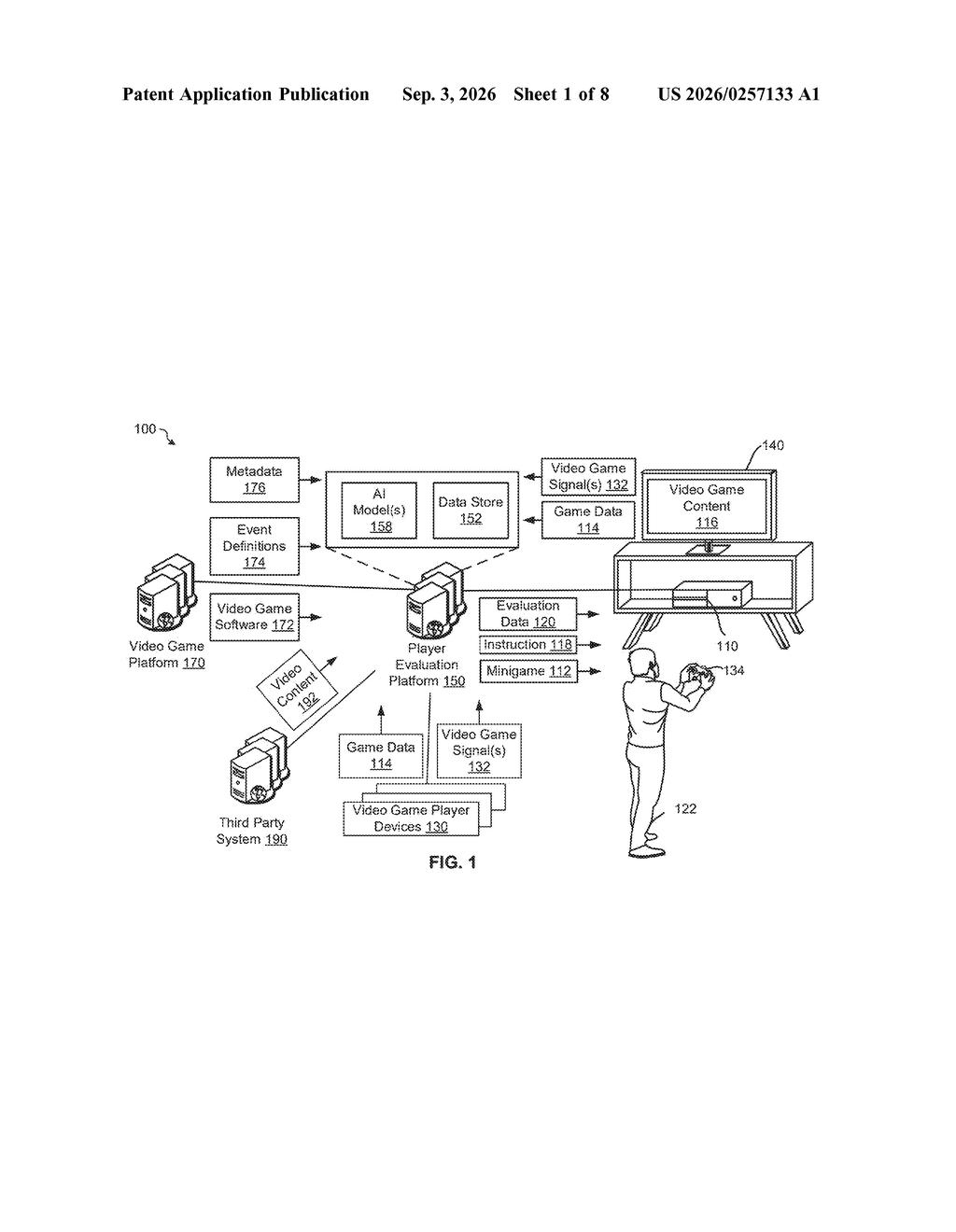
What Sony's AI game coach actually does for players
Imagine you keep dying to the same boss in a game, over and over, and the game just sends you back to try again with no advice. That loop is frustrating, and for a lot of players, it's the moment they put the controller down for good.
Sony's patent describes an AI that sits in the background and studies your gameplay footage alongside the actual button presses and stick movements you make during a match. It then figures out where you're going wrong, specifically against that particular opponent, and does one of two things: it can send instructions directly to your controller (think haptic nudges or timed rumbles guiding your hands), or it can spin up a custom mini-game designed to let you practice the exact skills you're missing.
The key word is personalized. The system isn't giving you a generic tutorial. It's building a training session based on your specific mistakes against that specific opponent, which is a very different promise from the one-size-fits-all help menus most games ship with today.
… accessing at least one video game signal associated with at least one device that is used by the user to play the video game and that is generated during the game play, the at least one device comprising a video game controller; …
Translation: The system reads inputs directly from your gamepad while you play.
How the system reads gameplay and builds practice sessions
The system has two data inputs running in parallel. First, it captures video of the gameplay session, which gives the AI a visual record of what happened on screen. Second, it reads the video game signal from the controller, meaning the actual sequence of button presses, analog stick positions, and timing data the player produced during that session.
An AI model processes both streams together to generate what the patent calls evaluation data, essentially a structured diagnosis of where the player's actions diverged from what would have worked against that specific opponent. Think of it like a coach watching film and cross-referencing it with a player's heart-rate data to figure out whether a mistake was a decision error or a physical reaction problem.
From that diagnosis, the system can branch in two directions:
- Controller instructions: the system sends signals back to the controller itself, which could mean haptic feedback, timed vibrations, or other physical cues to guide the player's hands in real time or during replay.
- Mini-game generation: the system builds a short, focused practice scenario tailored to the exact opponent the player struggled against, letting them drill the specific mechanics they need without replaying the full match.
The patent frames the target opponent as the anchor for the whole pipeline. All the evaluation and all the generated content is tuned to helping you beat that specific adversary, not just improving general skill.
What this means for casual players stuck on hard bosses
The most common point where players abandon a game is a difficulty spike, a single opponent or section that breaks the fun-to-frustration ratio. Game developers know this and have spent years debating how to design difficulty curves, but most solutions are baked in at launch and can't adapt to an individual player's actual weaknesses. Sony's approach moves that adaptation to the AI layer, making it something that could theoretically be added to any game on the platform.
For PlayStation users, this could show up as a first-party feature inside the console's operating system or as a tool developers license to ship inside their games. Sony's growing investment in AI-assisted play suggests this is part of a broader push to reduce churn, keeping more players engaged longer rather than letting them hit a wall and walk away.
Sony's ninth filing in the AI training and infrastructure space we've tracked since June connects to earlier work like training with private data and robot obstacle learning.
The problem this patent is attacking is real and large. Player drop-off at difficulty spikes costs game studios revenue and erodes the word-of-mouth that drives long-term sales. A system that automatically generates personalized remedial content is a direct, proportional response to that specific pain point.
The ambition here is bigger than a hint system or a pop-up tip. Analyzing both screen footage and controller input to build a targeted mini-game is technically demanding, and doing it fast enough to feel useful rather than belated is a real engineering challenge. Whether Sony can make this feel instant rather than clunky will determine whether players actually use it or ignore it the way most in-game tutorials get skipped.
Patents describe intentions, not shipping products. But the specificity here, an AI that diagnoses your inputs against one particular opponent and then either coaches your hands or builds you a practice fight, is concrete enough to take seriously as a design direction.
Get our take in your Top Stories
Liked this breakdown? Add Patentlyze as a preferred source on Google, and our plain-English take shows up more often in your Top Stories the next time Sony patent news breaks.
There are more where this came from
We read every patent application Big Tech publishes and send you the ones worth knowing. Plain English, free, every week.
The drawings
8 drawing sheets from US 2026/0257133 A1 · click any drawing to enlarge


Want this weekly breakdown for a company we don't cover? Patentlyze Pro →
Be the first to weigh in