
Samsung Patents a Way to Fill in Dropped Audio Using Your Other Earbud
When one of your wireless earbuds loses its audio connection for a split second, the result is a distracting gap or glitch. Samsung's new patent describes a system that borrows audio from the other earbud to fill that gap before you ever notice it.
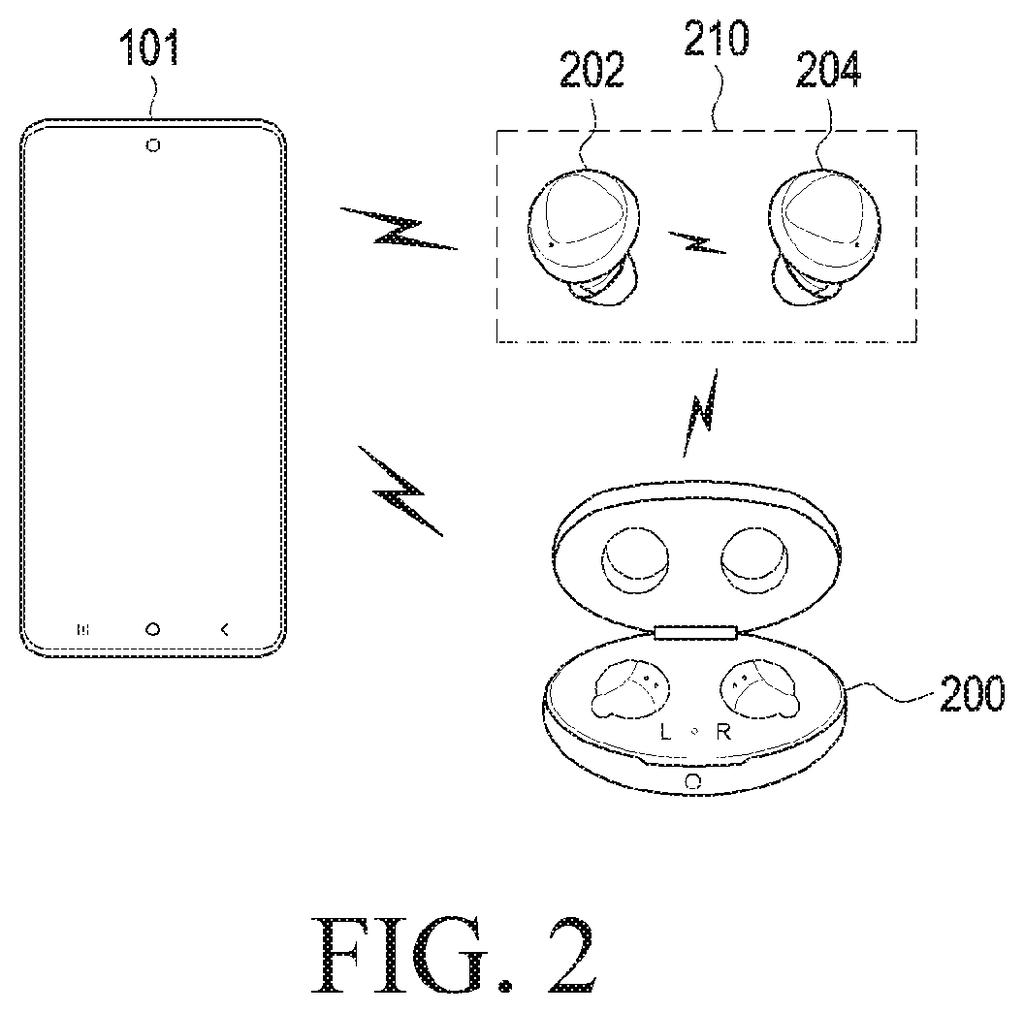
How Samsung's earbud dropout fix actually works
Ever noticed a tiny skip or dropout in one earbud while the other keeps playing fine? That glitch happens because wireless audio is split between two devices, and each one receives its own stream of data packets. When a packet gets lost in transit, that earbud has nothing to play for that moment.
Samsung's patent describes a smarter recovery approach. Instead of just guessing what the missing audio should sound like (the way most devices handle it today), the phone or source device checks whether the left and right channels are carrying similar enough audio at that moment. If they are, it takes the working earbud's audio, adjusts it to match the spatial position of the broken channel, and uses that to reconstruct what you should have heard.
The key word there is spatial position. Left and right channels aren't just copies of each other, they're slightly different to create the sense of sound coming from different directions. The system accounts for that difference before it patches in the replacement audio, so the fix sounds natural rather than off-balance.
… identify that a packet loss occurs in the first channel, based on identifying that the packet loss occurs in the first channel, identify whether inter-channel similarity for the first channel and the second channel is greater than a first threshold value …
Translation: The device checks if a sound drop happens and sees how similar the audio is between both ears.
How the device detects loss and rebuilds the signal
The patent covers a method running on a central device (your phone or a connected hub) that manages audio signals coming from two separate wireless earbuds simultaneously.
When the system detects a packet loss (meaning a chunk of audio data failed to arrive from one earbud's channel), it runs a quick similarity check between the two channels. This inter-channel similarity check measures how closely related the left and right audio streams are at that moment. If the similarity score clears a set threshold, it concludes the channels are carrying enough of the same underlying sound to safely borrow from one to fix the other.
Once that condition is confirmed, the system applies a sound localization transform to the working channel's audio. This is the process of adjusting a sound's perceived direction and distance to match where the broken channel should be placing it in your ears. The adjusted signal is then inserted into the gap left by the lost packets.
- Receive audio streams from both earbuds independently
- Detect packet loss on one channel
- Measure similarity between the two active channels
- If similar enough, borrow and spatially adjust the working channel's audio
- Insert the adjusted audio to cover the dropped section
… restore the signal of the first channel received in the first section by applying sound localization between the first channel and the second channel to the signal of the second channel received in the first section.
Translation: It patches the missing audio by borrowing sound data from the working earbud and adjusting its spatial position.
What this means for wireless audio reliability
Packet loss in Bluetooth audio is a real and persistent problem, especially in crowded wireless environments like offices, airports, or anywhere with heavy Wi-Fi traffic. Current error-concealment methods typically generate a rough approximation of the missing audio from prior frames, which can produce audible artifacts. Samsung's approach sidesteps that by using real audio data that actually arrived.
For you as a listener, the promise is fewer noticeable glitches during music playback, calls, or video watching. The spatial adjustment step matters too: without it, patching the left channel with raw right-channel audio would create a brief but jarring shift in perceived sound position. Samsung's ongoing interest in wireless audio processing suggests this is part of a broader effort to differentiate its Galaxy Buds lineup on audio reliability, not just hardware specs.
That makes this Samsung's 37th filing we've tracked in our wearable technology coverage since May, joining applications like a pressable smart ring and a sensor-accuracy coating.
Packet loss in wireless earbuds is a genuinely irritating problem, and it's one that gets worse as more devices compete for the same radio spectrum. The size of the problem is real: even brief audio dropouts on a call or during music can be distracting enough that users blame the hardware entirely.
This patent addresses that problem with a method that is technically sensible. The similarity-check step is important because it prevents the system from attempting a bad reconstruction when the two channels are carrying very different content, like in complex stereo mixes where left and right diverge significantly. That kind of guard clause is what separates a practical system from one that creates new problems while solving old ones.
The honest caveat is that the effectiveness depends heavily on how well the spatial adjustment is calculated in real time, and the patent doesn't specify the algorithm used for that step. If the localization math is off, the patch could sound worse than the dropout it replaced. This is a credible approach to a real problem, but the execution details will determine whether it actually improves the listening experience in practice.
There are more where this came from
We read every patent application Big Tech publishes and send you the ones worth knowing. Plain English, free, every week.
The drawings
12 drawing sheets from US 2026/0270618 A1 · click any drawing to enlarge


Want this weekly breakdown for a company we don't cover? Patentlyze Pro →