
Adobe Patents an AI Method for Replacing Dark Corner Borders in Old Photos
Old photos often have dark, shadowy borders called vignettes that obscure the image. Adobe has filed a patent for a system that detects those borders, figures out their true shape by comparing opposite corners, and then fills them in with AI-generated content that matches the rest of the photo.
What Adobe's vignette-removal system actually does
Ever tried to restore an old photograph only to find the edges are too dark to see properly? Those murky, fading borders are called vignettes, and they're common on scanned film prints, vintage photos, and even some digitally styled images. The problem is that cutting them out loses part of the picture, and painting over them by hand takes real skill.
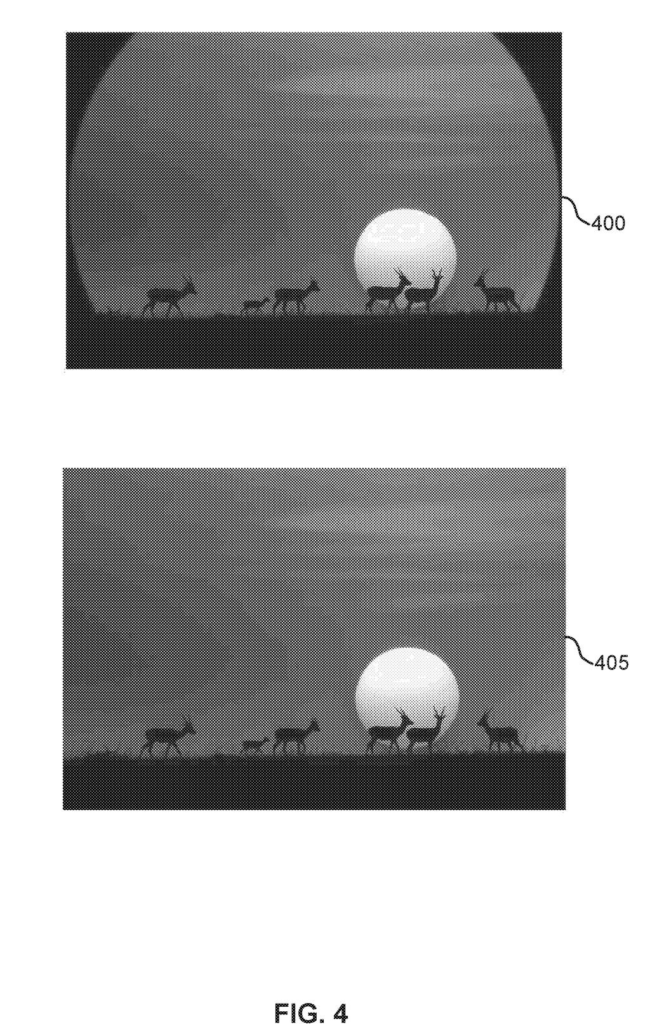
Adobe's new filing describes a system that handles this automatically. It detects the vignette border, checks whether the dark areas in opposite corners of the image match each other symmetrically, and uses that comparison to build a precise map of exactly which pixels need to be replaced. An AI image generator then fills those areas with new content that blends with the rest of the photo.
The clever part is the symmetry check. Vignettes tend to be roughly mirror-images of each other corner to corner, so comparing them helps the system decide which dark pixels are part of the vignette and which are just dark parts of the actual scene.
… modifying the preliminary border mask by mirroring the first corner area, comparing the mirrored first corner area to the second corner area, and updating the preliminary border mask based on the comparison to obtain a modified border mask …
Translation: The system fixes the damaged corners by flipping one good corner over and comparing it to the other to map out the repairs.
How the corner-mirroring mask guides the image generator
The patent describes a multi-step pipeline for identifying and replacing photographic vignettes, the dark or blurred borders that appear at the corners and edges of an image.
Step 1: Border detection. The system analyzes an incoming digital image and generates a preliminary border mask, a pixel-level map that marks which parts of the image belong to the vignette rather than the main subject. This mask initially covers the corner regions where vignetting is most pronounced.
Step 2: Corner comparison via mirroring. Here is where the patent's key idea sits. The system takes the first corner area, flips it (mirrors it), and compares it to the opposite corner. Because real vignettes are optically symmetric, the two corners should look similar. Where they differ, the system can refine the mask, deciding more precisely which pixels are genuine vignette and which are actual image content that happens to be dark.
Step 3: Mask refinement. Based on that comparison, the preliminary mask is updated into a modified border mask that more accurately traces the true shape of the vignette.
Step 4: AI image generation. An image generation network (a neural network trained to produce realistic image content) takes the original photo and the refined mask together, then generates replacement pixels for every area the mask flagged. The output is a new image where the vignette zone has been replaced with plausible, AI-produced content consistent with the surrounding scene.
What this means for photographers restoring scanned images
For anyone who scans old family prints, restores archival photographs, or works with vintage film stock, removing vignettes is currently a slow, manual job. You either crop the image and lose content, or clone-stamp over the dark areas by hand, which takes time and skill. An automated system that can handle the detection and the fill in one pass would save photographers and archivists significant labor.
The approach also has a practical use in digital editing workflows, where vignettes are sometimes added as a stylistic effect and later need to be removed. Because the system uses a symmetry-aware mask before handing off to the generator, the fill should be better targeted than a simple inpainting tool that treats all unusual pixels the same way.
Adobe's 39th filing we've tracked since May in the AI photo editing race adds to a run that includes two-pass cutout application and the shadow erase and rebuild filing.
The problem this patent attacks is real. Photographic vignetting, whether from old optics, film degradation, or deliberate post-processing, regularly degrades images in ways that are tedious to fix. For archivists and photo editors who process large batches of scanned prints, a reliable automated solution would have genuine practical value.
The symmetry-mirroring step is a reasonable approach. Vignettes are caused by optics, and optics are symmetric, so using that physical fact to improve mask accuracy is a sensible engineering choice rather than a brute-force guess. The concern is whether real-world vignettes, which vary in shape, intensity, and color cast, will behave symmetrically enough for the comparison to consistently help. Adobe's track record in image-restoration patents suggests the company has thought carefully about edge cases in this area, but the patent itself doesn't detail how the system handles asymmetric or irregular vignettes.
The scope is narrow. This is a targeted fix for a specific artifact type, not a broad image-restoration framework. That narrowness is probably a strength for accuracy but means it solves one problem well rather than many problems adequately.
There are more where this came from
We read every patent application Big Tech publishes and send you the ones worth knowing. Plain English, free, every week.
The drawings
12 drawing sheets from US 2026/0278755 A1 · click any drawing to enlarge


Want this weekly breakdown for a company we don't cover? Patentlyze Pro →
Be the first to weigh in