
Adobe Patents a Single AI System That Detects, Erases, and Rebuilds Photo Shadows
Shadows in photos look natural until you try to move or remove the object casting them. Adobe has filed a patent for a single AI system that handles shadow detection, removal, and regeneration as one continuous operation.
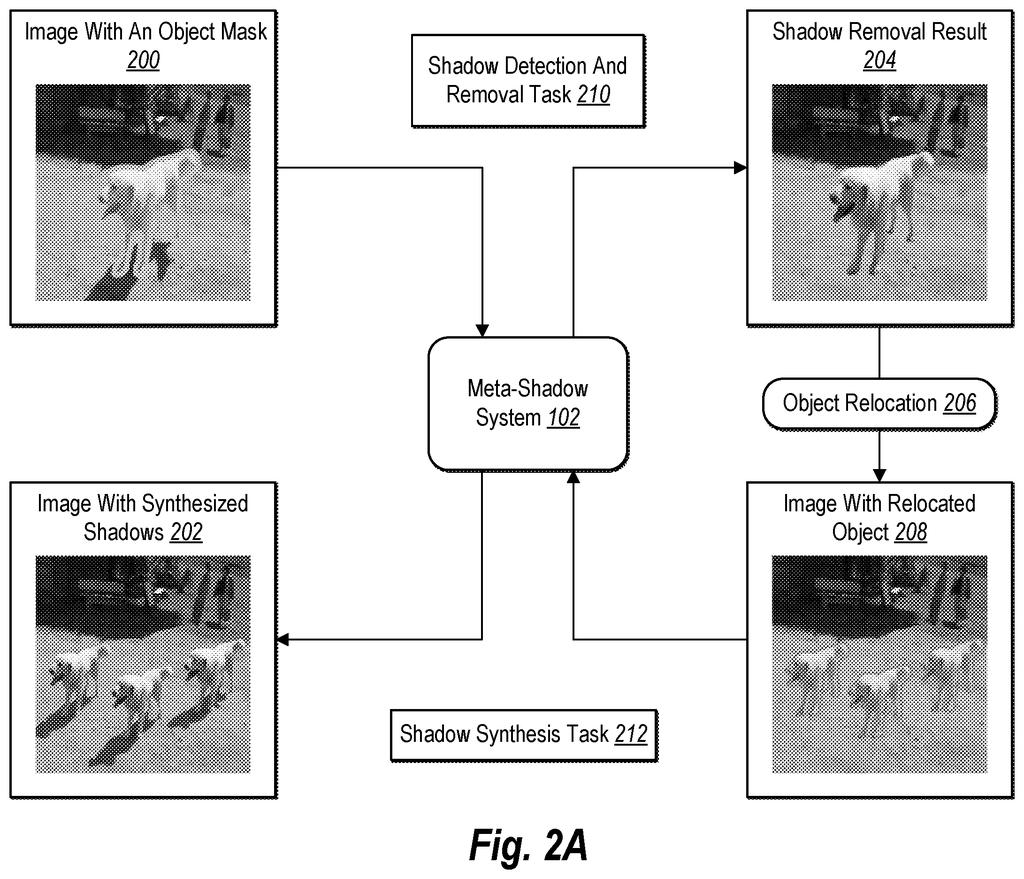
How Adobe's shadow-editing tool works in plain English
Today, editing a shadow out of a photo is a multi-step headache. You typically have to find the shadow, erase it manually, then fix the lighting underneath, three separate jobs, each with its own room for error.
Adobe's patent describes a system that handles all three steps inside one AI model. You select an object in a photo, the system figures out where its shadow falls, removes it cleanly, and then, if you move or rotate the object, draws a new shadow that matches the updated position. The same underlying model drives all of it.
For you, that could mean dragging a product, a person, or a logo to a new spot in an image and watching a believable shadow follow along automatically, rather than spending an hour painting one in by hand.
… generating, utilizing a global-spatial decoder, a modified digital image without the shadow of the object; and generating, utilizing the global-spatial decoder, a shadow mask of the shadow.
Translation: An AI decoder creates a shadow-free photo and maps where the shadow used to be.
Inside Adobe's joint shadow analyzer and synthesis pipeline
The patent describes a joint framework that ties three tasks together: shadow detection, shadow removal, and shadow synthesis (generation of a new shadow).
At the center is a component called a global-spatial decoder. Rather than running separate models for each task, this single decoder produces two outputs at once: a cleaned-up image with the shadow gone, and a shadow mask (a map showing exactly where the shadow was). That mask is then reused as input for the synthesis step.
The synthesis model is described as conditioned on the shadow mask, meaning it uses the shape and location data captured during removal as a guide when drawing a replacement shadow. This matters because:
- The replacement shadow inherits the correct shape relative to the object.
- The system ties shadow generation to a user interaction, such as moving or rotating the object in the scene.
- An object mask (a precise cutout of the object itself) is fed in from the start, keeping the model focused on that specific object rather than every shadow in the image.
The patent also references a shadow analyzer model that feeds into both the removal and synthesis stages, acting as the shared brain that understands the shadow before any editing begins.
… perform object-centered shadow detection and removal to generate a modified digital image without the shadow by utilizing a shadow analyzer model.
Translation: The system uses an analyzer model to spot and wipe out specific object shadows.
What this means for photo editors and content creators
Shadow editing is a genuine pain point in professional photo work and commercial image production. Product photos, real-estate images, and composited marketing materials all require objects to be repositioned regularly, and a mismatched or missing shadow immediately looks wrong to any viewer even if they cannot explain why.
If Adobe ships something based on this, the practical payoff is that moving an object in Photoshop or a similar tool could automatically regenerate a plausible shadow without a separate manual step. Adobe keeps filing on AI-assisted image compositing suggests this is part of a broader push to automate the most time-consuming parts of professional image editing rather than just offering better brushes.
Adobe's 37th filing we've tracked since May joins earlier applications like one that animates still photos and one that relights portraits in our AI photo editing watchlist.
Claim 1 is broad. It covers any computer-implemented method that receives a digital image with an object and shadow, uses an object mask, and applies a single decoder to produce both a shadow-free image and a shadow mask. That framing does not require a specific neural architecture, a specific training dataset, or a specific application, it describes an outcome and a structural component (the global-spatial decoder), not a narrow implementation.
That breadth is a double-edged situation. A wide claim is more useful to Adobe commercially because it is harder for a competitor to design around. But it is also more likely to attract scrutiny from patent examiners looking at prior art in shadow matting and image inpainting, both of which are well-researched areas.
For readers who actually edit images, the interesting part is the loop the patent closes: one model detecting a shadow produces the exact data a second model needs to draw a new one. That architecture, if it works as described, removes a manual handoff that currently costs editors real time.
There are more where this came from
We read every patent application Big Tech publishes and send you the ones worth knowing. Plain English, free, every week.
The drawings
22 drawing sheets from US 2026/0278868 A1 · click any drawing to enlarge


Want this weekly breakdown for a company we don't cover? Patentlyze Pro →