
Google Patents a Way to Simulate Quantum Computer Behavior Before Building It
Building a quantum computer is expensive, slow, and full of surprises. Google is filing patents on a system that predicts how a quantum machine will behave before anyone assembles it, using a kind of statistical model that learns from real hardware data.
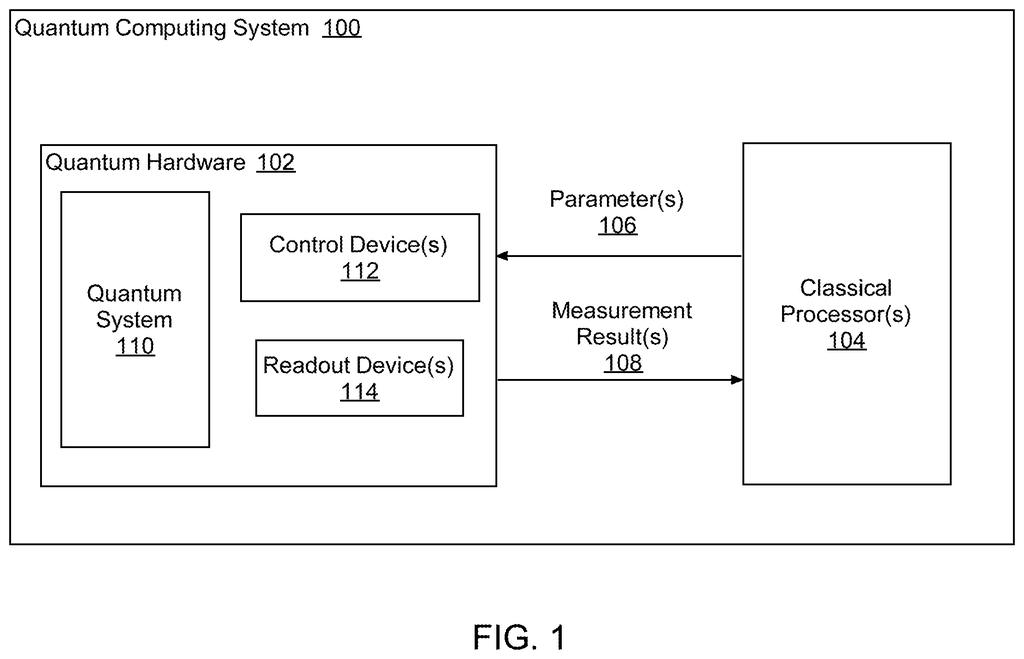
What Google's quantum hardware simulator actually does
Quantum computers are notoriously fragile. Every physical component behaves slightly differently depending on tiny manufacturing variations, temperature shifts, and other factors that are nearly impossible to control perfectly. Right now, engineers often have to build the hardware, run it, measure the errors, and then go back and redesign, a cycle that burns time and money.
Google's patent describes a system that skips much of that trial-and-error. It builds a statistical model of quantum hardware, one that captures not just how each component typically behaves, but also how the components affect one another. That model can then generate realistic "samples" of what a quantum machine's performance would look like, before any physical hardware exists.
Think of it like a weather forecast for a computer chip. Instead of launching a satellite and hoping conditions are right, you simulate thousands of possible scenarios first. For a field where a single processor can cost millions of dollars and take years to fabricate, that kind of preview could matter a lot.
… obtaining, by the computing system, one or more simulated performance measurements based at least in part on the quantum hardware sample.
Translation: The system runs tests on the simulated sample to predict how the physical device would act.
How the statistical network models quantum hardware flaws
The system centers on what Google calls a quantum hardware sample generation model. This is a statistical framework that encodes two things: the typical behavior of individual quantum hardware parameters (things like qubit frequency, gate error rates, and coupling strength), and the dependencies between those parameters (how one component's behavior influences another's).
Together, these form a statistical network (essentially a mathematical map of how an entire quantum chip's characteristics are distributed and interrelated). When you "sample" from that network, you get a simulated snapshot of what a real quantum device might look like, complete with realistic imperfections and correlated quirks.
The key technical idea is capturing parameter dependencies, not just averages. Real quantum chips don't have independent, uncorrelated components. A problem with one qubit often shifts the behavior of its neighbors. A model that ignores those relationships would generate overly optimistic or simply unrealistic predictions.
- The model stores probability distributions for each hardware parameter.
- It stores dependency rules describing how those distributions relate to each other.
- Sampling the combined network produces a realistic simulated chip profile.
- That profile feeds into performance simulations, predicting things like circuit fidelity or error rates.
What this means for quantum computing progress
Quantum hardware development is one of the most expensive engineering challenges in computing right now. Each iteration of a physical quantum processor can take months to fabricate and test. A simulation tool that accurately predicts performance before fabrication could cut that cycle significantly, which matters both for cost and for the pace of progress.
For people watching where AI and computing are headed, Google's long bet on quantum computing makes this filing meaningful in context. If this kind of generative modeling works well enough, it also changes how researchers design experiments: instead of running tests on scarce, expensive quantum hardware, they could run far more tests on simulated versions first, reserving real machines for validation.
Google's tenth filing in the quantum computing patents we cover since May adds to a set that includes one on loading classical data faster and one on a tunable qubit switch.
Building a quantum processor is not like spinning up a new app. Each new design costs millions of dollars and months of time before anyone knows whether it will work, which means engineers are essentially flying blind until the hardware exists.
What this patent proposes is a way to rehearse that outcome in software first, by modeling not just how individual components tend to behave but how their failures cluster and combine. That second part matters because correlated failures are what actually sink quantum systems in practice, and a simulation that misses them gives false confidence.
The document is quiet about how the underlying model gets trained or checked against reality, and that silence covers the hardest part of the problem. A preview that matches the real chip well is enormously valuable; one that does not is worse than nothing.
There are more where this came from
We read every patent application Big Tech publishes and send you the ones worth knowing. Plain English, free, every week.
The drawings
13 drawing sheets from US 2026/0278437 A1 · click any drawing to enlarge


Want this weekly breakdown for a company we don't cover? Patentlyze Pro →