
Samsung Patents a Way to Keep AR Glasses Focused on Your Eyes
AR glasses that don't know exactly where your eyes are pointing can show you blurry or misaligned images. Samsung has filed a patent for a system that uses the glasses' own reflective lenses to measure tilt and fix the picture in real time.
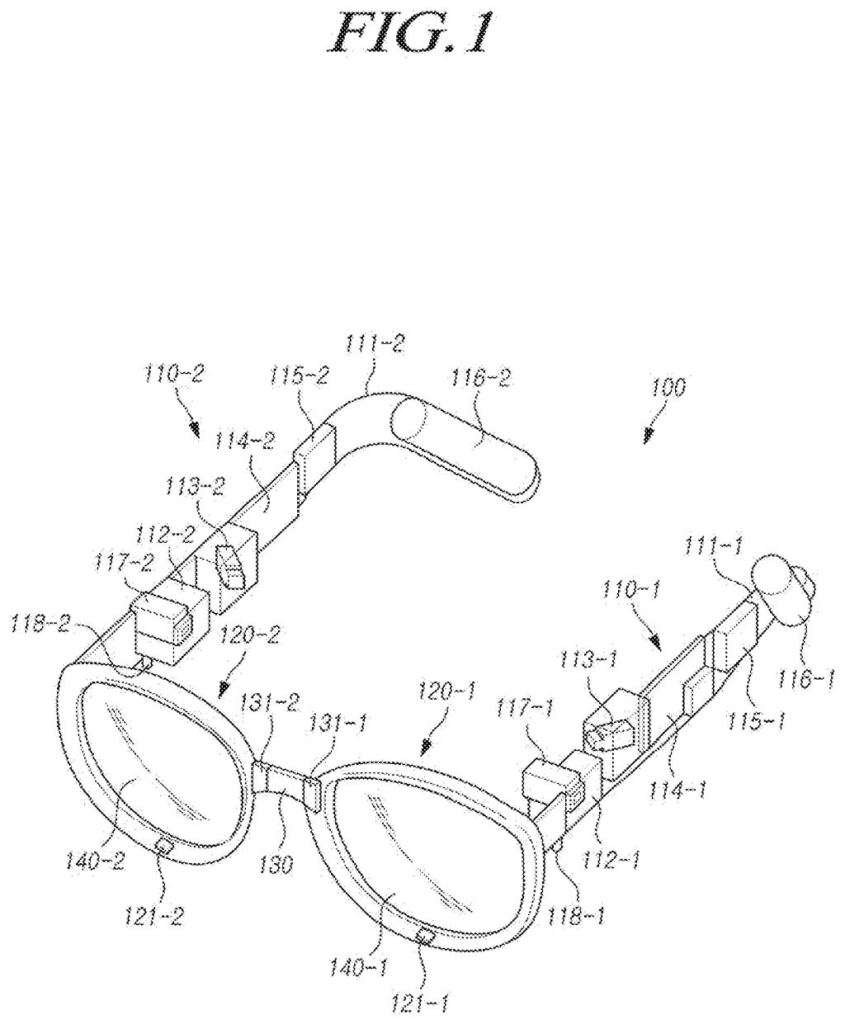
What Samsung's AR lens self-correction actually does
Ever tried to read text through glasses that aren't quite sitting right on your face? Now imagine that effect multiplied in a pair of AR glasses, where the whole digital world overlaid on your vision drifts because the headset has shifted a few millimeters.
Samsung's patent describes glasses that fire a small beam of light at the lens, read back the reflection to figure out how the device is tilted on your head, and use that angle information to correct the image sent to your eye. No manual adjustment required: the glasses keep checking the lens position and updating the image to match.
Accessibility functions and personalized shortcuts are also part of the broader filing, suggesting Samsung is thinking about users who need custom controls baked into the experience from the start.
obtain a marker image corresponding to a pattern associated with the reflective surface based on a signal from the light receiver; determine an orientation parameter of the support based on the marker image; obtain an eye image based on the signal from the light receiver; and correct the eye image based on the orientation parameter.
Translation: The glasses figure out how they are sitting on your face so they can fix the view of your eyes.
How the device reads lens angle to fix the eye image
The patent centers on an augmented reality headset that mounts on the user's head and uses a lens with a reflective surface to both display images and gather positioning data.
Here is how the system works step by step:
- A light emitter fires toward the user's eye, and the beam bounces off the reflective surface of the lens.
- A light receiver captures that reflected signal and turns it into data the processor can read.
- The processor looks for a marker image, which is a known pattern tied to the lens surface. By comparing what the marker looks like against what it should look like, the system calculates an orientation parameter, basically, how much the headset has tilted or shifted on the wearer's head.
- The device then captures an eye image through the same optical path and corrects it using that orientation data, so what the user sees stays properly aligned even if the glasses have slipped.
The abstract also mentions gesture-based customized accessibility functions, suggesting the device watches for repeated movements and can offer shortcuts tailored to individual users, though the core claim focuses on the optical correction loop.
What this means for wearable AR comfort and accuracy
Misalignment is one of the most practical obstacles to comfortable AR glasses. If the headset shifts even slightly, eye-tracking breaks, displayed text drifts, and the whole experience falls apart. The problem gets worse over a long session, when glasses naturally slip. A system that continuously reads lens position and corrects on the fly could make AR glasses usable for hours rather than minutes.
For users who wear prescription lenses or have any asymmetry in how a headset sits on their head, automatic correction matters even more. Samsung's interest in AR display hardware suggests this is part of a wider effort to solve the fit-and-comfort problems that have held consumer AR headsets back, not just a standalone filing.
Samsung's 46th filing we've tracked since May in the AR glasses race adds another optical idea to earlier work like one checking headset eye fit and one managing light bounce.
AR glasses slip. They tilt when you look down. The image you see drifts from where it should be, and what felt like a useful overlay becomes a frustration you stop trusting.
That slippage is a real cost, not a minor inconvenience. A navigation arrow floating two inches from the road, or a label attached to the wrong shelf, breaks the whole premise of the device. Samsung's approach here uses the lens surface itself to detect and correct for frame movement, which means no extra sensors added to hardware where weight and battery life are already brutal constraints.
The abstract also mentions gesture-based shortcuts, which points to a different set of problems around usability and accessibility. Both threads matter, and the optical correction work in particular addresses something that would undermine every other improvement Samsung or anyone else makes to these devices.
There are more where this came from
We read every patent application Big Tech publishes and send you the ones worth knowing. Plain English, free, every week.
The drawings
28 drawing sheets from US 2026/0278967 A1 · click any drawing to enlarge


Want this weekly breakdown for a company we don't cover? Patentlyze Pro →