
Sony Patents a Parental Control System That Uses Your Location to Filter Who Can Play With Your Kids Online
Sony has filed a patent for a system that lets parents draw an invisible boundary around their real-world home address, then use that boundary to automatically decide which other players are allowed to contact their child inside a game.
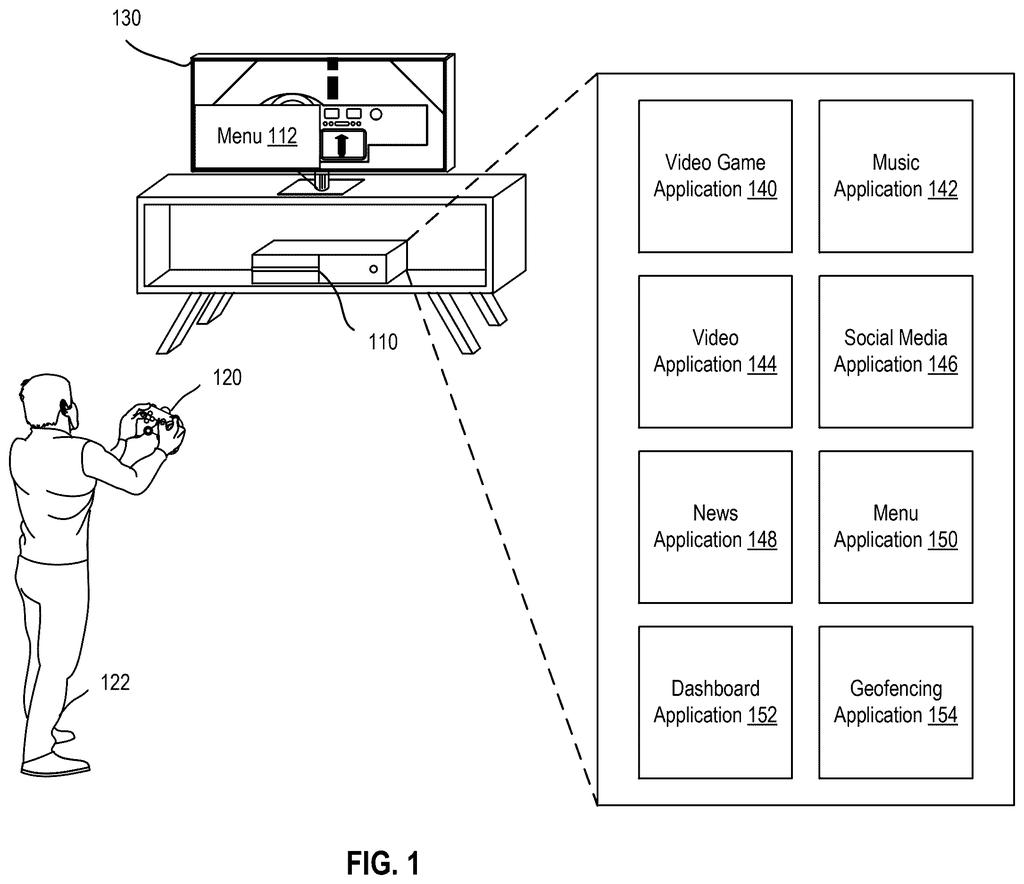
What Sony's location-based gaming filter actually does
Imagine your kid is playing online and a stranger tries to send them a game invite. Right now, there's no easy way for the game itself to know whether that stranger is a classmate two streets over or someone on the other side of the world. Sony's patent describes a way to change that.
The idea is that a parent sets up a "geofence," basically a virtual circle drawn around their real address. The game system checks where the requesting player's device is physically located. If they're outside that circle, or if they don't meet other rules the parent has set, the contact request is automatically blocked before it even reaches the child.
Parents control the size of the boundary and the additional rules, things like which age groups are allowed or which accounts are approved. The child's device location anchors the whole system, so the protection travels with wherever the family happens to be.
… receiving, by the system, a plurality of criteria for establishing a geofence within the gaming environment from a user gaming device associated with a user; identifying a user location based on location data retrieved from a user device; establishing the geofence based on the user location and the user provided criteria …
Translation: Parents can set up a virtual boundary around their location using custom settings.
How the geofence checks each incoming player request
The patent describes a server-side system that layers a "geofencing application" on top of an existing game environment. Here's how the pieces fit together:
- Location anchoring: The system retrieves real-world location data from the child's device (a phone or console) and uses that as the center point of the geofence.
- Criteria-based boundary: A parent-controlled account sets the radius and any additional rules for who qualifies as an acceptable contact, such as age thresholds or approved account lists.
- Automatic verification: When any other player tries to initiate an interaction (a friend request, voice chat invite, or co-op session), the geofencing application fires automatically, checks whether the requesting device's location falls inside the boundary, and checks whether that device satisfies the rule set.
- Gated interaction: Only if both checks pass does the system allow the connection to go through.
The key architectural detail is that this runs on the platform side, not inside any individual game's code. That means a single parental control configuration could theoretically apply across all titles running on the same platform, rather than requiring parents to configure safety settings game by game.
… verifying that the requesting gaming device is within the geofence, verifying that the requesting gaming device satisfies the plurality of rules for establishing the interaction, and establishing the interaction between the user gaming device and the requesting gaming device.
Translation: The system checks if other players are inside the boundary and follow the rules before letting them connect.
What this means for parents of young PlayStation players
For parents, the appeal is clear: you set it once, the system enforces it everywhere. Today, online gaming parental controls are a patchwork. Some games have robust filters; many have almost none. A platform-level geofence could close a lot of gaps without requiring you to become an expert in each title's settings menu.
The location-checking angle is worth noting, though. For this to work, the requesting player's device also has to share location data with Sony's servers during the verification step, which raises questions about data collection that Sony would need to address publicly before rolling this out. The concept is solid; the privacy details will determine whether families actually trust it.
Sony's 511th filing in our Sony coverage since May adds to a run of camera work that includes a 3D depth scanner and color inference for cameras.
For a parent, the concrete win is simple: you set a distance, and anyone outside it cannot reach your child inside the game. No guesswork about whether a stranger is a neighbor's kid or someone across the world.
The moment this matters most is the one most parents dread but rarely catch in time, which is an unknown adult initiating contact mid-session. This system runs that check before the conversation ever starts.
The open question is what happens to the location of every player the system has to screen. Their physical whereabouts get pulled in just to verify eligibility, and how Sony handles that data will determine whether this becomes a feature families trust or a new worry layered on top of the old one.
There are more where this came from
We read every patent application Big Tech publishes and send you the ones worth knowing. Plain English, free, every week.
The drawings
4 drawing sheets from US 2026/0273420 A1 · click any drawing to enlarge


Want this weekly breakdown for a company we don't cover? Patentlyze Pro →