
Sony's New Patent Lets Your Console Draw Parts of a Streamed Game Itself
Instead of relying entirely on a remote server to draw every pixel of a game, Sony's patent describes a system that lets your local device quietly fill in parts of each frame on its own — potentially cutting lag where it's felt most.
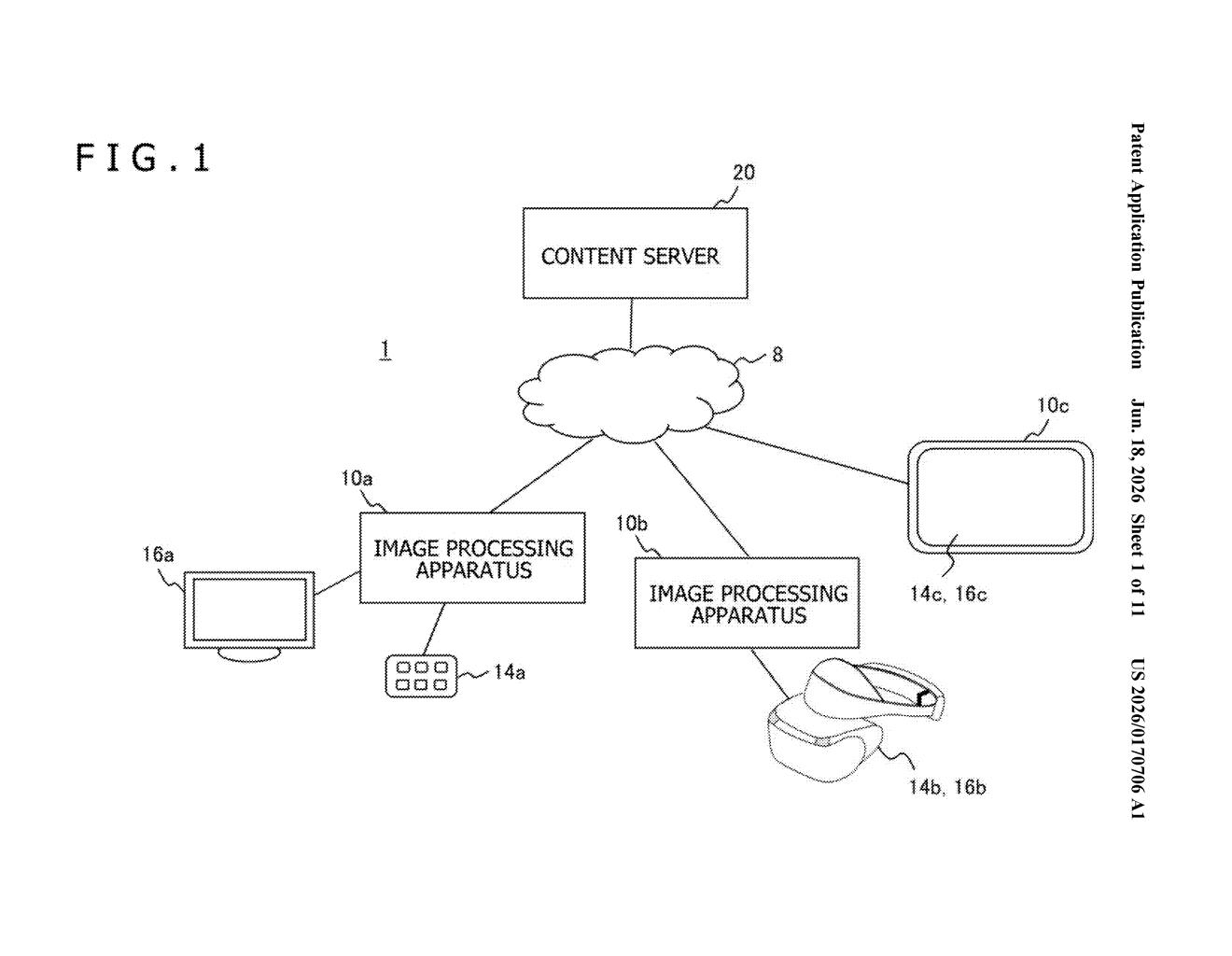
What Sony's split rendering approach actually does
Imagine streaming a game from the internet. Every time you press a button, your input travels to a distant server, the server draws the next image, and that image travels back to your screen. The problem: each of those trips takes time, and if your connection hiccups, the whole picture suffers.
Sony's patent describes a middle path. Rather than sending every pixel of every frame over the internet, part of each frame — a "local-generation area" — gets drawn directly on your own device. The system figures out which parts it can handle locally based on what your hardware can manage, then blends those locally drawn pieces with what the server sends.
The result is a hybrid frame: some pixels come from the cloud, some come from your machine, and the output looks like one complete image. It's similar to how some streaming services pre-load parts of a video while buffering the rest, except here it's happening in real time for an interactive game.
How the local and server images get combined into one frame
The patent describes an image processing apparatus — think a game console or streaming client — with several distinct components working together each frame:
- A local-generation area determining section that analyzes the possible range of motion or change in the current frame and decides which regions can be drawn locally without waiting for the server.
- An image generating section that actually draws those local regions on the device's own hardware.
- An input information transmitting section that sends the player's controller inputs up to the content server as usual.
- A data acquiring section that receives the server-rendered frame when it arrives.
- A synthesizing section that composites (blends) the server image and the locally generated image into one output frame.
The key idea is that the local areas are chosen to match what the device can actually handle — so a weaker client doesn't try to draw too much and a stronger one can offload more work from the server. The system uses "variable ranges" from a base-point frame (essentially: how much could this part of the scene realistically change?) to decide what's safe to generate locally.
All of this happens so that the final output frame looks complete and consistent, even when the server-side data arrives late or not at all for some regions.
What this means for cloud gaming on PlayStation
Cloud gaming's persistent enemy is latency — the delay between pressing a button and seeing the result on screen. If your device can draw even a portion of the frame without waiting for a server response, that portion will always feel immediate. Sony is essentially describing a way to make a streaming game feel more like a local one for the parts of the image that matter most to the player's perception of responsiveness.
For PlayStation's cloud gaming ambitions — including PlayStation Plus's game streaming tier — this kind of architecture could mean a noticeably better experience on slower or less stable connections. It also hints at a future where the line between "local" and "cloud" game rendering is blurry by design, not a limitation.
This is a technically sensible approach to one of cloud gaming's real, unsolved problems, and it fits squarely into Sony's ongoing push to make PlayStation Plus streaming competitive with local play. The patent's claims were all canceled at publication, which is a red flag — it may have been rejected or split into continuations — so treat this as a signal of Sony's thinking rather than a finalized invention.
There are more where this came from
We read every patent application Big Tech publishes and send you the ones worth knowing. Plain English, free, every week.
Want this weekly breakdown for a company we don't cover? Patentlyze Pro →