
Samsung Patents a Memory System That Automatically Borrows Extra Storage When It Gets Overwhelmed
When a memory chip gets swamped with too many requests, it usually just slows everything down. Samsung's new patent describes a system where a chip can raise its hand, signal that it's overwhelmed, and automatically get more memory assigned to the task at hand.
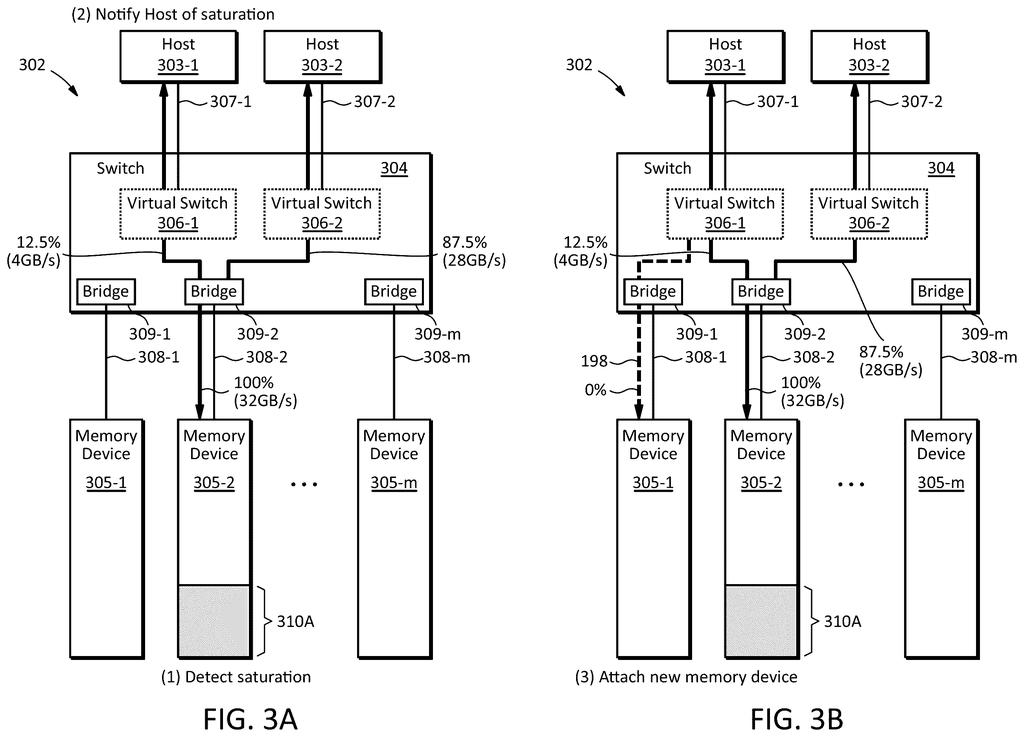
What Samsung's memory auto-scaling system actually does
A data center server is processing a surge of requests. The memory chip handling the work is being pushed to its limit, but the server itself has no easy way to notice or react before things grind to a halt.
Samsung's patent describes a setup where memory chips can monitor their own busyness and send a distress signal through a network-style switch. That switch then pulls in capacity from a neighboring memory chip and hands it off to whoever needs it. No human intervention, no manual reconfiguration.
The key idea is that memory shouldn't be stuck in a fixed assignment. When one chip is struggling, spare capacity sitting idle on another chip can be redirected automatically. For you as an end user, this is the kind of behind-the-scenes plumbing that could mean fewer slowdowns during peak demand.
… at least one control circuit configured to send a notification based on a throughput of the memory device.
Translation: The system watches how busy the memory is and sends an alert when it gets overloaded.
How the switch routes memory based on throughput signals
The patent describes three interlinked components: a memory device with a built-in monitor, a switch connecting multiple memory devices to a host computer, and control logic that decides how to redistribute capacity.
Each memory chip watches its own throughput (how many read/write operations it's handling per second). When that throughput crosses a threshold, the chip uses its memory access interface (the hardware channel it normally uses to read and write data) to send a notification signal rather than waiting for an external manager to notice the problem.
The switch sitting between the memory chips and the host receives that notification. It then instructs a second, less-loaded memory device to allocate a portion of its capacity to the same host. The host effectively gains extra memory headroom without being reprogrammed or even aware of the physical swap happening below it.
- Notification layer: the struggling chip self-reports using the same protocol it uses for data access.
- Switch layer: a central fabric routes both data and control signals between chips and hosts.
- Allocation layer: control logic decides how much of the second chip's capacity to hand over, based on the severity of the bottleneck.
What this means for data centers managing memory bottlenecks
In large data centers, memory is one of the most expensive and carefully managed resources. Today, if one memory module gets overloaded, administrators often have to manually reconfigure workloads or accept degraded performance until the next maintenance window. A system that handles this automatically, at the hardware level, could reduce both downtime and the operational labor of managing big server installations.
Samsung keeps filing on memory interconnect and pooling makes this part of a broader architectural direction. For consumers, the payoff is indirect: faster cloud services and fewer mysterious slowdowns during busy periods, without anyone having to notice that anything changed underneath.
Samsung's 55th filing we've tracked since June in the AI chip wars watchlist follows one on compressing AI math and one splitting AI across chips.
The benefit this patent delivers is invisible, which is exactly the point. When a streaming video doesn't buffer during peak hours or a checkout page loads normally on the busiest shopping day of the year, something in the infrastructure prevented a slowdown before it started.
The mechanism behind that is memory chips that can signal their own stress through the same channel they already use to move data, prompting the system to borrow capacity from a neighboring chip automatically. No human intervention, no waiting for an alert to escalate up a monitoring chain.
For the person using the product, this matters most in the moments they'd otherwise remember for the wrong reasons.
There are more where this came from
We read every patent application Big Tech publishes and send you the ones worth knowing. Plain English, free, every week.
The drawings
9 drawing sheets from US 2026/0277467 A1 · click any drawing to enlarge


Want this weekly breakdown for a company we don't cover? Patentlyze Pro →