
Samsung Patents a Fix for Audio That Drifts Behind Wirelessly Streamed Video
Anyone who has cast video to a TV and watched lips move out of step with speech knows the frustration. Samsung's latest patent targets exactly that, fixing the drift by speeding up audio until it catches the picture.
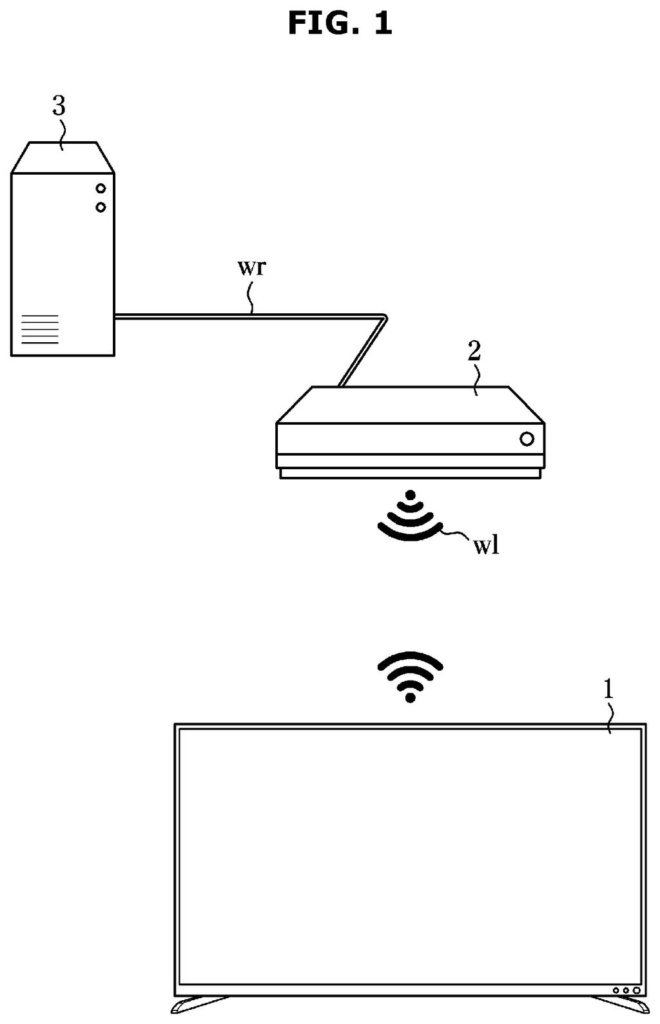
What Samsung's wireless lip-sync fix actually does
A security camera stares at an empty hallway all night, recording perfectly in sync, but the moment you try to stream that footage wirelessly across a room, the audio and video can fall out of step. That same problem shows up when you cast a movie to a smart TV, mirror your phone to a monitor, or use any wireless screen-sharing setup.
The patent describes a receiver device, say a TV or display, that tracks whether the audio and video arriving from another device are in sync by comparing numbered labels attached to each chunk of video and audio. When the numbers match, everything plays at normal speed. When they don't, the device speeds up the audio playback, not the video, until the two are back in step.
The key detail is that only the audio accelerates. The video keeps rolling at its normal pace, so the picture never stutters. Once the audio catches up, playback returns to normal. It is a subtle correction the viewer ideally never notices.
… playing, by the first electronic device, the audio at a second playback speed faster than the first playback speed while maintaining the playback speed of the video at the first playback speed, based on the index of the video frame data being different from the index of the audio frame data.
Translation: When audio falls behind video, the device speeds up the sound to catch up while keeping the video running normally.
How the device detects drift and speeds audio back into sync
The system relies on frame indexes (sequential numbers attached to each individual chunk of video and audio as they are created at the source). Think of them like page numbers in a book: if you are reading page 40 of the video but only page 38 of the audio, you know the audio is two pages behind.
The receiving device, whatever is playing the content, continuously compares these two numbers. There are two operating states:
- Indexes match: both audio and video play at normal speed, no correction needed.
- Indexes differ: the device leaves the video speed alone and increases the audio playback speed until the audio index catches up to the video index, then returns to normal speed.
The patent focuses on the wireless communication path between two devices, which is exactly where sync problems tend to originate. Wireless transmission is unpredictable; packets can arrive late or out of order, and a traditional buffer strategy can introduce noticeable delay rather than correcting it.
By accelerating only the audio, the approach avoids the visual jarring that would come from skipping or slowing the video. A small speed-up in audio, say a few percent faster for a second or two, is generally below the threshold a listener consciously notices.
What this means for wireless TV and screen-sharing setups
For anyone who regularly casts video wirelessly, lip-sync drift is one of those low-grade annoyances that makes the experience feel unfinished. A software-level fix that runs on the receiving device, without requiring new hardware or a firmware update to the source, is the shortest route to actually shipping this improvement.
Samsung's interest in wireless display and casting technology shows up across multiple product lines, from its smart TVs to Galaxy phones with DeX and screen-mirroring features. A correction mechanism that lives in the receiver means it could apply to any compatible pairing, not just Samsung-to-Samsung connections, which broadens its practical reach considerably.
Samsung's 1321st filing we've tracked since May adds to a TV search thread that includes a voice-search results sorter and an AI recap tool.
Getting this to market requires no new hardware at all. It is a software change on the receiving device, which means it could theoretically reach people through a routine firmware update rather than waiting for a new product cycle.
The fix itself is straightforward: when audio and video fall out of step, the receiving device speeds up the audio until the two are back in sync, without touching the video.
The open engineering question is whether speeding up audio, even slightly, makes voices sound pitched or unnatural during the correction window. The patent does not address that, and how gracefully a real product handles it would determine whether the fix is invisible or just a different kind of irritating.
There are more where this came from
We read every patent application Big Tech publishes and send you the ones worth knowing. Plain English, free, every week.
The drawings
15 drawing sheets from US 2026/0292289 A1 · click any drawing to enlarge


Want this weekly breakdown for a company we don't cover? Patentlyze Pro →
Be the first to weigh in