
Google Patents a Way to Tune Power Grid AI Without Exposing Customer Data
Every time a utility tries to teach an AI about local electricity demand, it risks exposing data about who uses power and when. Google's X Development lab has filed a patent for a system that lets regional grid models learn from local data without that raw data ever leaving the neighborhood.
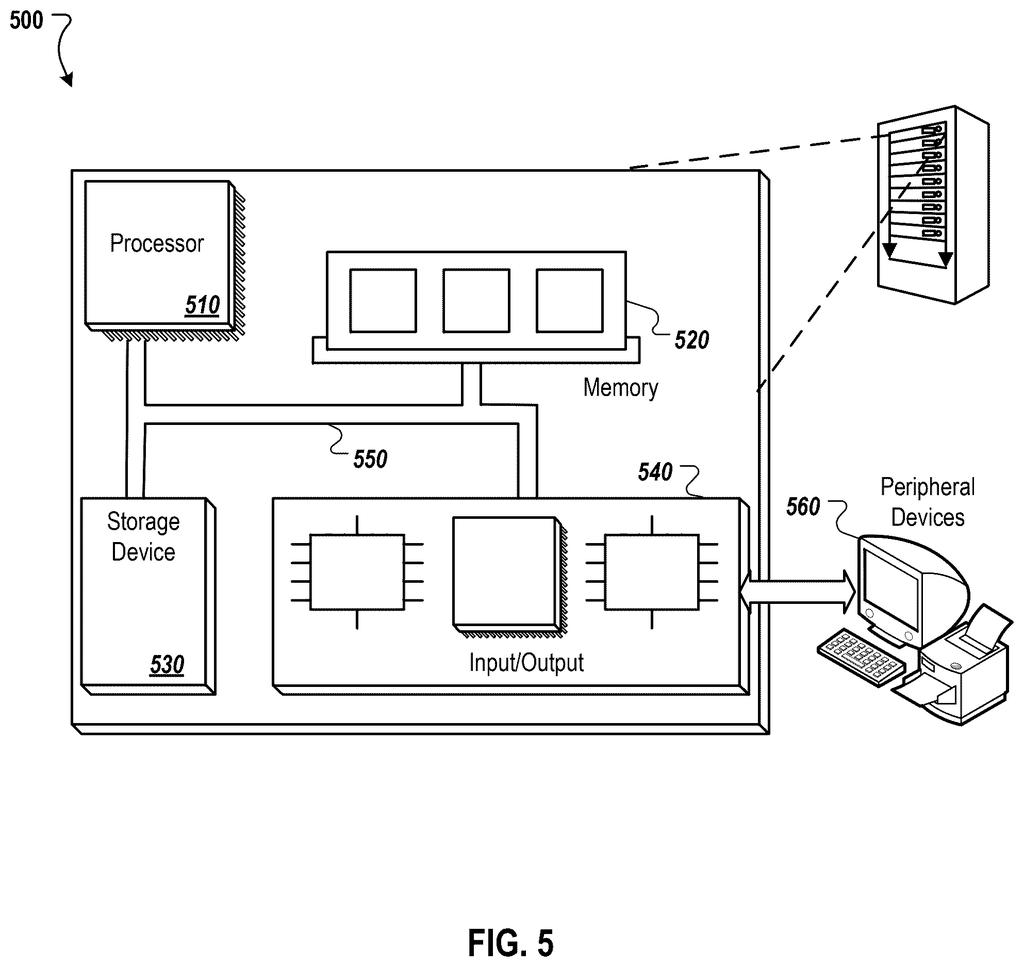
How Google's grid model learns locally without leaking data
Electric utilities collect detailed records of when and where power is used. That data is enormously useful for predicting demand and preventing outages, but sharing it with outside systems creates real privacy risks. A detailed power-usage profile can reveal whether a building is occupied, what kind of business runs there, or even daily routines.
X Development (Google's experimental projects arm) wants to change how that local data is used. Instead of sending raw electricity readings to a central server, a local system would take a general AI model, fine-tune it using local power data, and then send back only a small set of adjustment numbers, not the original readings. The central server gets a more accurate model; the local data stays local.
Think of it like a student who studies a textbook at home, takes notes on what needs correcting, and hands in only those corrections, never the homework itself. You get smarter predictions for your local grid without anyone outside ever seeing your actual usage patterns.
The load values can be applied as calibration input to the first machine learning model to produce first adjustment parameters for the first machine learning model.
Translation: Local power usage numbers are used to tune the AI model without sharing the underlying raw data.
How local calibration parameters replace raw load data
The system works in two stages. First, a central server sends out a pre-trained machine learning model that already understands general patterns of electrical demand across a utility grid. This base model is like a national average: useful, but not tuned to any specific neighborhood or region.
Second, a local system takes that model and feeds it calibration inputs, which are actual load values (measurements of how much electricity is being drawn) from a specific region. Running those local readings through the model produces a set of adjustment parameters, small numerical corrections that tell the model how local demand differs from the general pattern. Only those adjustment numbers, not the raw readings, are sent back to the central server.
The approach borrows from a technique called federated learning (a method where AI models are improved using data that never leaves local devices or systems). Applied here to power grids, it means:
- The central model gets location-specific accuracy
- The raw usage data never travels outside the local system
- Multiple regions can each contribute corrections without exposing their underlying data to one another or to the server
The result is a grid-demand model that predicts local electricity load more accurately while keeping the customer-level or building-level data that trained it private.
What this means for utility AI and customer privacy
Accurate electricity demand forecasting matters more than it might seem. Grid operators use these predictions to decide how much power to generate, when to switch on backup sources, and where to route capacity during peak hours. A model that is tuned to actual local conditions makes those calls more reliably, which in turn reduces blackouts and wasted generation.
For the average person, the appeal is more direct: your electricity usage patterns are sensitive. They can reveal when your building is empty, what kind of equipment you run, and how your habits change over time. A system that extracts the lessons from that data without centralizing the data itself is a meaningful step toward letting utilities use AI without demanding that customers hand over a detailed record of their lives.
Google's 49th filing we've tracked since May in our on-device AI privacy watchlist builds on earlier applications like its fake datasets from real data work and its ad privacy check system.
You would not notice this system working. You would notice its absence only if a data breach revealed that your power utility had been sharing detailed consumption records with outside vendors, and your energy habits became someone else's business without your knowledge.
The patent describes a way for utilities to build smarter demand models without the raw data ever leaving the local system. Your usage patterns stay put; only anonymous statistical adjustments travel back to the central model. The practical result is a grid that can predict load more accurately while the records behind that prediction stay closer to home.
This comes from X Development, Google's longer-horizon lab, which means the idea is serious but the road to your meter is long. The design is credible. The timeline is not something anyone can promise.
There are more where this came from
We read every patent application Big Tech publishes and send you the ones worth knowing. Plain English, free, every week.
The drawings
6 drawing sheets from US 2026/0291277 A1 · click any drawing to enlarge


Want this weekly breakdown for a company we don't cover? Patentlyze Pro →
Be the first to weigh in