
Samsung Patents a Display That Dims Individual Pixels Based on Their Temperature
Burn-in, the ghost of a channel logo permanently etched into your screen, has plagued OLED displays for years. Samsung's new patent describes a system that tracks each pixel's temperature over time and turns down its brightness before permanent damage sets in.
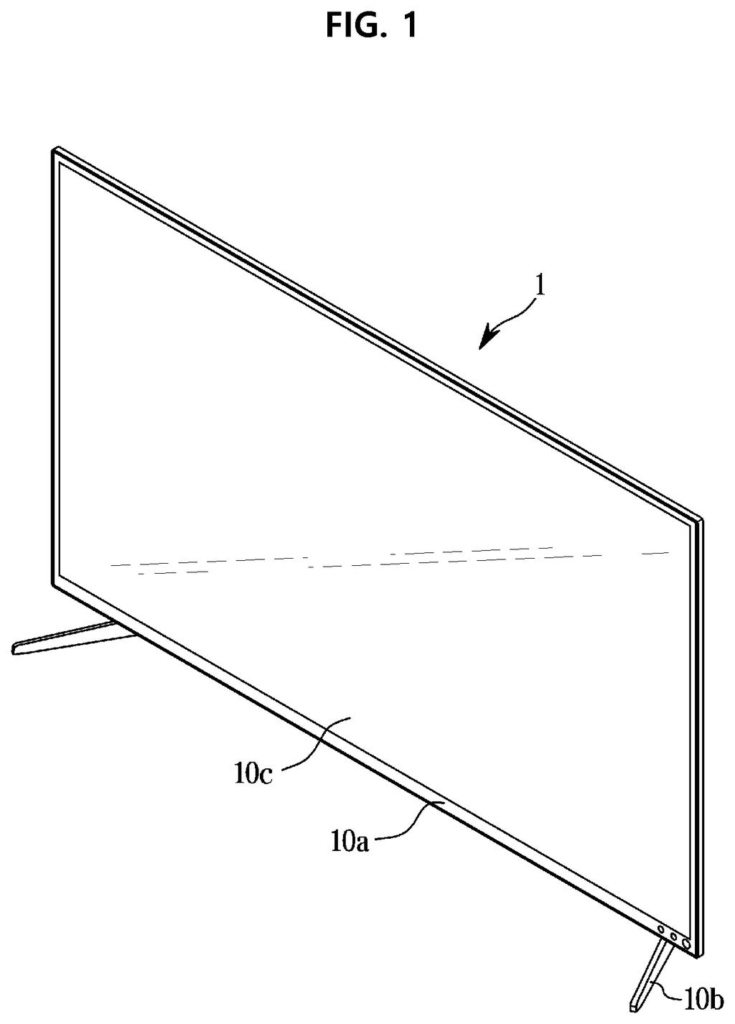
How Samsung's heat-aware brightness system protects your screen
Every pixel in an OLED display generates heat when it's on, and pixels that stay bright for long stretches age faster than their neighbors. That uneven aging is what causes burn-in, the faint, permanent image that can appear after months of watching the same channel.
Samsung's patent describes a display that monitors the temperature of each individual pixel, then compares that reading to a reference point it sets based on how long you've been watching, how much afterimage risk has built up, and whether you've turned on any screen-protection settings. If a pixel is running hot relative to that reference, the system reduces its brightness by a calculated amount.
The key idea is that the reference temperature and the dimming amount aren't fixed. They adjust depending on your viewing habits and protection preferences, so the screen can be more or less aggressive about protecting itself depending on your situation.
… a temperature detector configured to detect a temperature of each pixel of the plurality of pixels …
Translation: Sensors monitor how hot every single dot on the screen gets.
How the panel processor calculates luminance adjustments per pixel
The patent describes a display panel with a temperature detector that reads the heat of every individual pixel, not just an average temperature for the whole screen. That per-pixel data feeds into a panel processor, which compares each pixel's measured temperature against a reference temperature.
The processor then applies a luminance adjustment value (essentially a dimming factor) to bring overheated pixels down to a safer brightness level. What makes this different from simple thermal throttling is that both the reference temperature and the dimming factor are variable: the processor sets them based on three inputs:
- Panel protection menu: user-selected settings that indicate how aggressively the display should protect itself
- Afterimage index: a running score of how much burn-in risk has accumulated, based on what's been displayed and for how long
- Cumulative viewing time: the total time the display has been in use, which correlates with overall panel aging
By combining real-time temperature data with historical usage information, the system can apply a finer, more contextual correction than a fixed-threshold approach. A display that has been running for two years with heavy static content would use a different reference temperature and dimming level than a brand-new one in the same thermal state.
… based on at least one of a panel protection menu, an afterimage index, and a cumulative viewing time …
Translation: The adjustments rely on settings like screen burn-in history and total watch time.
What this means for OLED burn-in on Samsung TVs and monitors
Burn-in is one of the few remaining practical complaints about OLED displays, and it's a real concern for people who watch a lot of news, sports with persistent score graphics, or anything else with a static element on screen. A system that continuously measures per-pixel heat and adjusts brightness dynamically could reduce that risk without requiring the user to do anything, or even notice the change.
The practical payoff is longevity: a display that manages its own thermal stress on a pixel-by-pixel basis should theoretically age more evenly. For a premium TV or monitor that costs well over a thousand dollars, that is a meaningful difference. Samsung keeps filing on OLED panel longevity and protection suggests this is a sustained engineering focus, not a one-off idea.
Samsung filed its 107th application we've tracked in our display technology watchlist since May, adding to work like the glasses-free 3D display and the public-private viewing switch.
The practical promise here is a TV that learns how you watch and adjusts itself to stay looking good over years, rather than applying the same blunt protection settings to every screen regardless of how it's actually used.
Most people notice screen damage only when it's already permanent, a ghosted news ticker or a scorched logo burned into the corner after months of the same channel. A system that tracks your specific viewing habits and responds to heat building up in individual spots on the screen is designed to catch that problem before you ever see it.
Whether this reaches your living room as a real, working feature depends on hardware that the patent doesn't fully address. But if it does, the reward is simple: a premium screen that still looks premium long after the warranty expires.
There are more where this came from
We read every patent application Big Tech publishes and send you the ones worth knowing. Plain English, free, every week.
The drawings
16 drawing sheets from US 2026/0290246 A1 · click any drawing to enlarge


Want this weekly breakdown for a company we don't cover? Patentlyze Pro →
Be the first to weigh in