
Nvidia Patents a Checksum System for Tracking AI Model Modifications
Every time an AI model gets fine-tuned, quantized, or optimized, it becomes a slightly different thing — and right now there's no standard way to prove exactly what changed. Nvidia's new patent wants to fix that with cryptographic-style checksums baked into the model distribution pipeline.
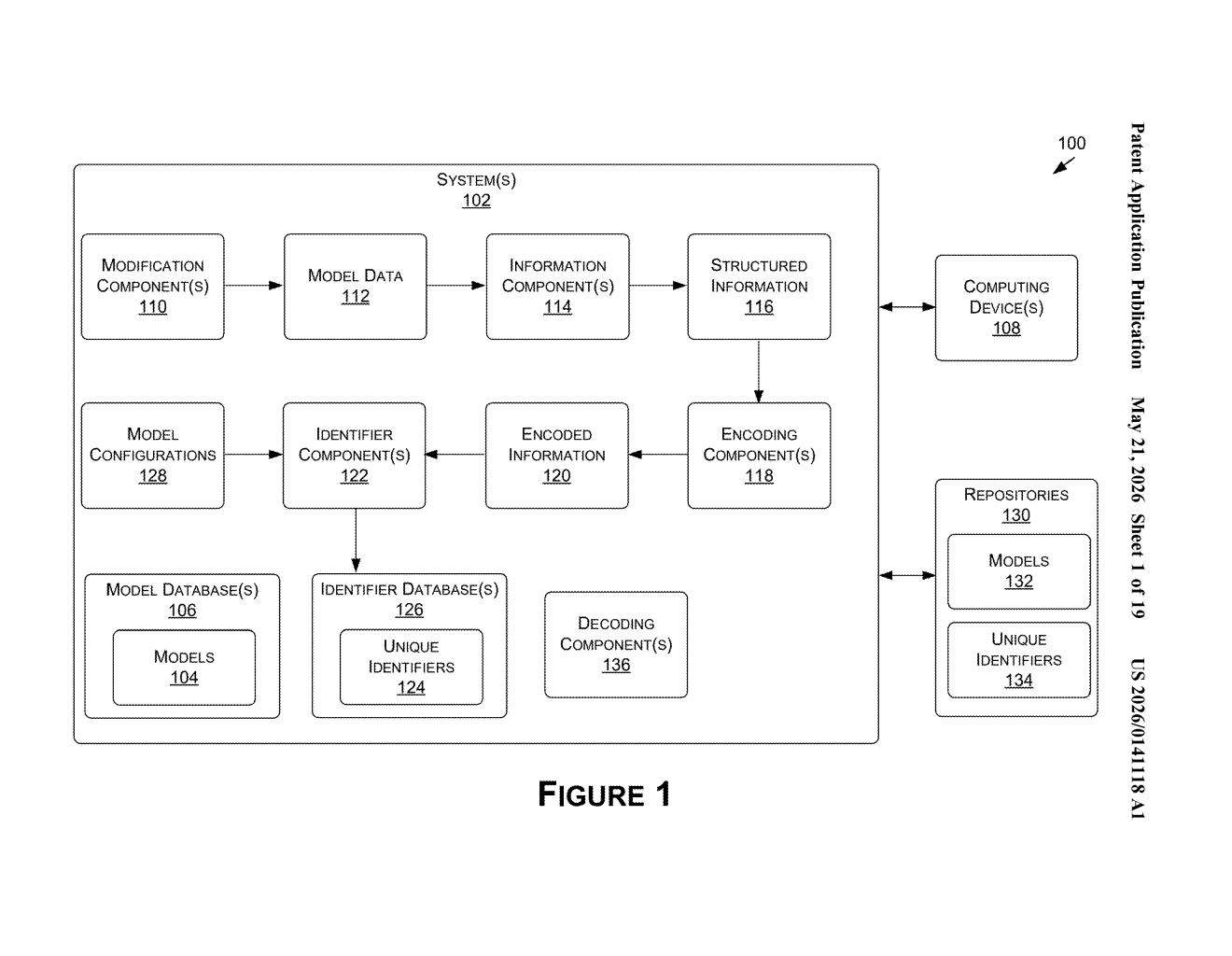
How Nvidia wants to fingerprint every AI model change
Imagine downloading a software update and having no way to confirm it wasn't quietly swapped for a tampered version somewhere along the way. That's essentially the problem AI models face today — a model can be fine-tuned, compressed, or otherwise modified, and the recipient has no reliable receipt proving what actually changed.
Nvidia's patent describes a system that generates a unique identifier — think of it like a fingerprint — every time a model is modified. Whether the change is fine-tuning on new data, quantization (shrinking the model to run faster), or any other tweak, the system captures what changed and encodes that information into a checksum tied to the new model version.
When you receive that updated model, you can run the checksum to verify it matches what was originally sent. If anything was altered in transit — accidentally or maliciously — the checksum won't match, and you'll know something is off. It's the same idea as the MD5 or SHA hashes you'd see on a Linux ISO download page, applied specifically to the messy, iterative world of AI model versioning.
How the checksum encodes model modification data
The patent describes a pipeline with three main steps. First, the system obtains data representing the modifications made to go from model version one to model version two — this could include records of what fine-tuning dataset was used, what quantization scheme was applied, or what optimization passes were run.
Second, that modification data is processed — potentially through one or more encoders (modules that convert structured information into a compact representation) and hashing algorithms — to produce a checksum unique to that specific version of the model. The patent mentions checksums and hashes specifically, which are well-established cryptographic tools: given the same input, they always produce the same output, but any change to the input produces a completely different output.
Third, the modified model is distributed to downstream computing devices along with its checksum, so recipients can verify the model's integrity before deploying it.
- Modification tracking: captures what changed between model versions
- Encoding layer: structures that modification data for consistent hashing
- Checksum generation: produces a unique, verifiable fingerprint for each model version
- Verification: downstream systems can confirm the model matches its claimed provenance
Why AI model integrity is a growing supply-chain problem
As AI models become infrastructure — running in medical devices, autonomous vehicles, financial systems, and cloud APIs — knowing exactly what version of a model is running, and whether it's been tampered with, stops being a nice-to-have and becomes a compliance requirement. A fine-tuned model that was intercepted and poisoned mid-distribution would be nearly impossible to detect today without something like this.
For Nvidia, which sells both the hardware models run on and increasingly the software stack (through platforms like NIM and NGC) that packages and distributes those models, baking integrity verification into the distribution layer is a natural fit. Model supply-chain security is a real and growing concern — this patent addresses it with a practical, well-understood cryptographic approach rather than anything exotic.
This is unglamorous but genuinely useful infrastructure work. Checksums for software packages have existed for decades; applying the same principle systematically to AI model versioning is overdue. The fact that Nvidia is filing this suggests they're building it into their model distribution stack — NGC, NIM, or similar — which would make model provenance a first-class feature rather than an afterthought.
Get our take in your Top Stories
Liked this breakdown? Add Patentlyze as a preferred source on Google, and our plain-English take shows up more often in your Top Stories the next time Nvidia patent news breaks.
There are more where this came from
We read every patent application Big Tech publishes and send you the ones worth knowing. Plain English, free, every week.
Want this weekly breakdown for a company we don't cover? Patentlyze Pro →