
OpenAI Patents a Way to Keep AI Voice and On-Screen Text in Sync
When an AI reads its answer aloud while displaying it on screen, keeping the voice and the text perfectly in sync is trickier than it looks. OpenAI has filed a patent describing a way to solve that problem at the source, inside the AI itself.
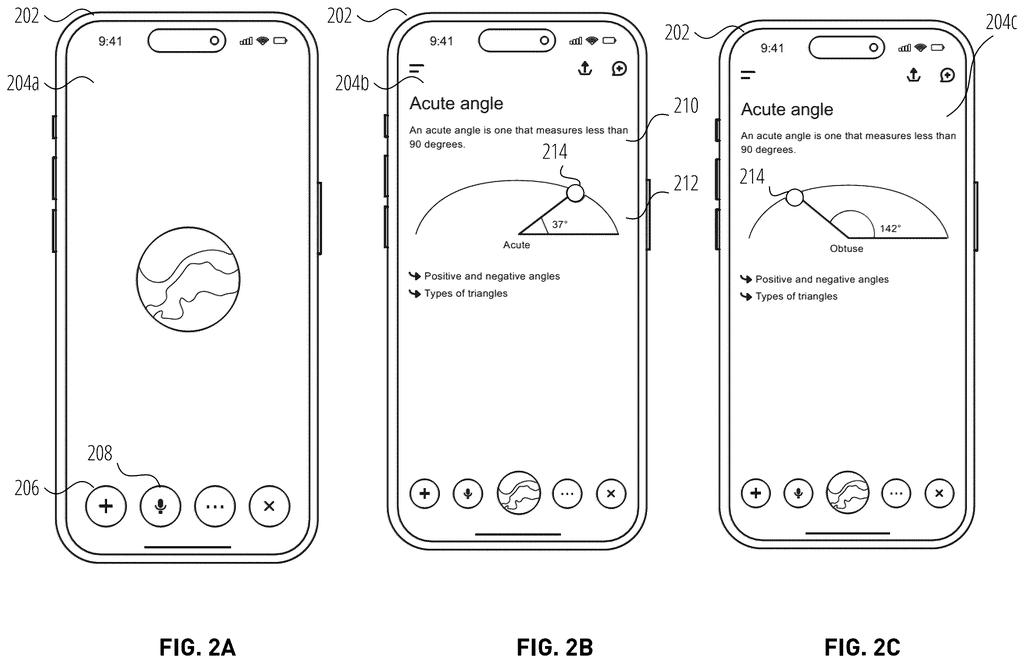
How OpenAI's synced voice-and-text AI output works
Every time an AI assistant reads its own response to you out loud, two things have to happen at once: words appear on screen, and a voice speaks them. When those two fall out of step, the experience feels broken, like a dubbed movie where the lips don't match the dialogue.
OpenAI's patent describes a system where the AI generates both the visual text and the spoken audio together, embedding tiny timing markers directly into the text stream. Those markers tell the app exactly when to start playing each chunk of audio so it lines up with what's on screen.
The result is that voice and text stay locked together automatically, without the app having to guess or patch things together after the fact. Whether you're using a chatbot on your phone or a desktop AI tool, that kind of tight sync is what makes a talking AI feel polished rather than patchy.
… offset information generated by the generative response engine and included in the stream of text tokens for synchronizing the visual part and the spoken text part …
Translation: Data added to the text to keep the voice and on-screen words perfectly aligned.
How offset tokens lock audio to the visual stream
The patent describes a multi-modal generative response engine (an AI that produces more than one type of output at the same time, in this case text and audio) that handles synchronization as part of generation, not as an afterthought.
Here's how the pieces fit together:
- Text tokens (small chunks of written output) carry not just words but also rendering instructions, telling the front-end app how to display the response visually.
- Audio tokens (small chunks of spoken output) are generated in parallel, representing the same content as a voice.
- Offset information is embedded directly into the text token stream. Think of these as cue marks: they tell the app "play this audio chunk at exactly this moment relative to what's on screen."
The front end (the app or interface the user sees) receives both streams and uses those embedded cues to render the visual output and play the audio in lockstep. Because the AI itself produces the timing data rather than the app calculating it separately, the sync is accurate even as the response streams in progressively, word by word.
… includes a visual part of the response and a spoken text part that corresponds to the visual part of the response …
Translation: The system creates both written words and spoken audio that match each other.
What this means for AI assistants you talk to
For users, the practical benefit is an AI that reads its answers aloud without the audio racing ahead or lagging behind the text. That matters most in voice-forward interfaces, like phone assistants, in-car AI, or accessibility tools where listening and reading at the same time is the whole point.
The deeper implication is architectural: this patent puts synchronization logic inside the model's output rather than leaving it to app developers to solve on their own. If that approach becomes standard, any app built on top of the engine gets correct sync for free, which lowers the bar for building polished voice-AI products without requiring each developer to reinvent the timing system.
OpenAI's 25th filing we've tracked since May follows earlier applications like a row-marker image tool and secure document answers.
The path from this patent to a shipping feature is short. No new hardware is required, and the underlying system that generates responses already exists. What has to come first is a front end, meaning the app or interface a person actually sees and hears, capable of reading the timing signals the engine sends and acting on them correctly.
That is a modest engineering task for any team already building on this technology. The shortest route to a product is essentially: update the interface layer to consume the new information and let audio and visuals move together in lockstep.
This patent solves one specific problem, keeping spoken words aligned with what appears on screen during a live AI response, rather than describing some sweeping new capability. That focus is actually a sign of maturity. Infrastructure work at this level is what separates a demo that impresses for thirty seconds from a product people use comfortably every day.
There are more where this came from
We read every patent application Big Tech publishes and send you the ones worth knowing. Plain English, free, every week.
The drawings
11 drawing sheets from US 2026/0299744 A1 · click any drawing to enlarge


Want this weekly breakdown for a company we don't cover? Patentlyze Pro →
Be the first to weigh in