
Samsung Patents a Touch Sensor Design That Keeps Screen Signals in Balance
Touchscreens work by sending tiny electrical signals through a grid and listening for changes when your finger gets close. Samsung is patenting a more precise way to keep those signals from interfering with the display itself.
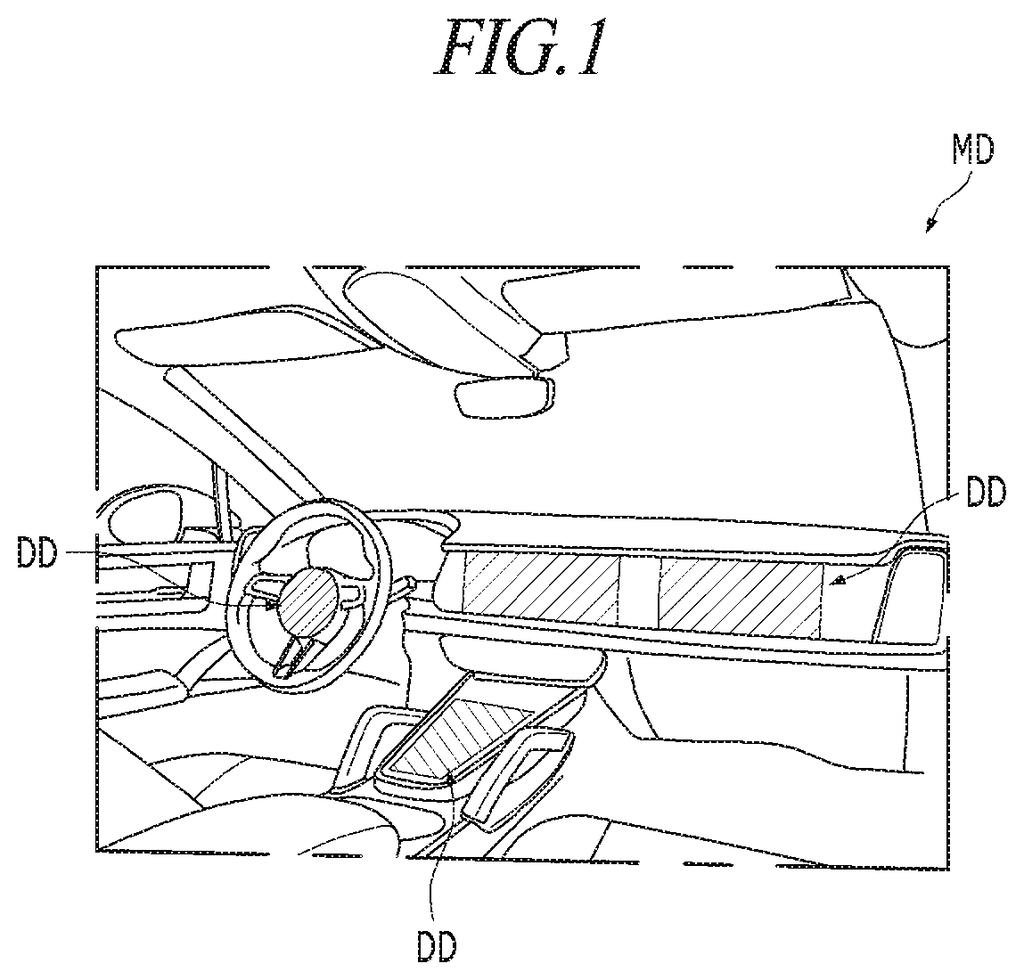
What Samsung's balanced touch signal system actually does
You're tapping through a menu and nothing registers on the first try. It happens more than it should, and a big reason is electrical noise: the touch sensor and the display panel sit on top of each other, and their signals can bleed into one another.
Samsung's patent describes a touch sensor that uses three groups of signal-carrying wires, each running at a different voltage level, tuned so the electrical energy they store roughly cancels out. The idea is that when the positive and negative charges balance, the unwanted electrical crosstalk into the display panel drops sharply, and your touch input comes through more cleanly.
The specific target is tight: the combined energy from two of the channel groups divided by the third must land between 0.95 and 1.05, a window of only 10%. That kind of precision is about making sure the screen and the sensor don't fight each other every time you reach out and tap.
… each of first transmittance channels among the plurality of transmittance channels is applied with a first electrical signal having a first electric potential that is greater than a standard electric potential by a first value at a first point …
Translation: Certain channels receive a boost above the standard voltage level.
How the three-channel voltage system stays in balance
The patent describes a display module that pairs a screen panel with a touch sensor circuit laid directly on top of it. The sensor uses a grid of wires: transmittance channels run in one direction (think rows), and receiver channels run perpendicular (columns). When a finger approaches, it disturbs the capacitance at the crossing points, and the receiver channels detect that change.
The key invention is how those transmittance channels are grouped and energized:
- First transmittance channels carry a signal slightly above a neutral (standard) voltage by a small amount called the first value.
- Second transmittance channels carry a different signal voltage.
- Third transmittance channels carry a signal below the neutral voltage by a larger amount called the second value.
Between each group of wires and the display panel, tiny capacitors (charge-storage junctions) form naturally. The patent requires that the energy stored in the first-group capacitors plus the energy stored in the second-group capacitors, divided by the energy in the third-group capacitors, falls between 0.95 and 1.05. That ratio essentially means the positive and negative charges cancel each other out at the display layer.
The practical effect is reduced electromagnetic coupling (unwanted signal leakage) between the touch layer and the display, which translates to fewer missed or misread touches, especially on thin panels where the two layers sit very close together.
A sum of the first energy and the second energy divided by the third energy. is 0.95 or greater and 1.05 or less.
Translation: The stored electrical energy across different channels must remain closely balanced.
What this means for touchscreen accuracy on future devices
For most people, this shows up as the difference between a screen that registers your tap on the first try and one that occasionally makes you prod it twice. Thin phones and foldables push the display and touch layers closer together than ever, which makes signal crosstalk a real engineering problem rather than a theoretical one.
If Samsung applies this design to future Galaxy phones or tablets, the payoff is a touch layer that is electrically quieter without needing extra shielding material or a thicker panel stack. That matters most in high-refresh-rate displays or stylus-capable screens where timing precision is everything, and where any noise in the touch signal chain is most likely to translate into a visible error in your handwriting or drawing.
Samsung's 111th filing we've tracked in display technology work since May follows earlier applications like streaming to a second screen and fixing colors while sleeping.
Anyone who has tried writing a note on a tablet and watched the letters come out slightly crooked, or tapped a button and had nothing happen, has already lived the failure this engineering addresses. A display screen constantly generates its own electrical activity, and that activity can interfere with the screen's ability to read where a finger or stylus actually landed.
This patent describes a method of distributing voltage across groups of electrodes so their combined electrical output stays tightly controlled, preventing the screen's own signals from muddying the touch response. The result is a screen that registers taps on the first try and keeps handwriting where you put it.
That may sound modest, but precision touch is one of those things users notice only when it breaks. A screen that behaves exactly as expected, every time, is what this work is designed to protect.
There are more where this came from
We read every patent application Big Tech publishes and send you the ones worth knowing. Plain English, free, every week.
The drawings
15 drawing sheets from US 2026/0299733 A1 · click any drawing to enlarge


Want this weekly breakdown for a company we don't cover? Patentlyze Pro →
Be the first to weigh in