
Samsung Patents a TV That Streams Moving Objects to a Nearby Second Screen
Samsung has filed a patent for a display system that watches for moving objects on your TV and automatically streams them to a second screen nearby, effectively letting the picture "follow" the action across multiple displays.
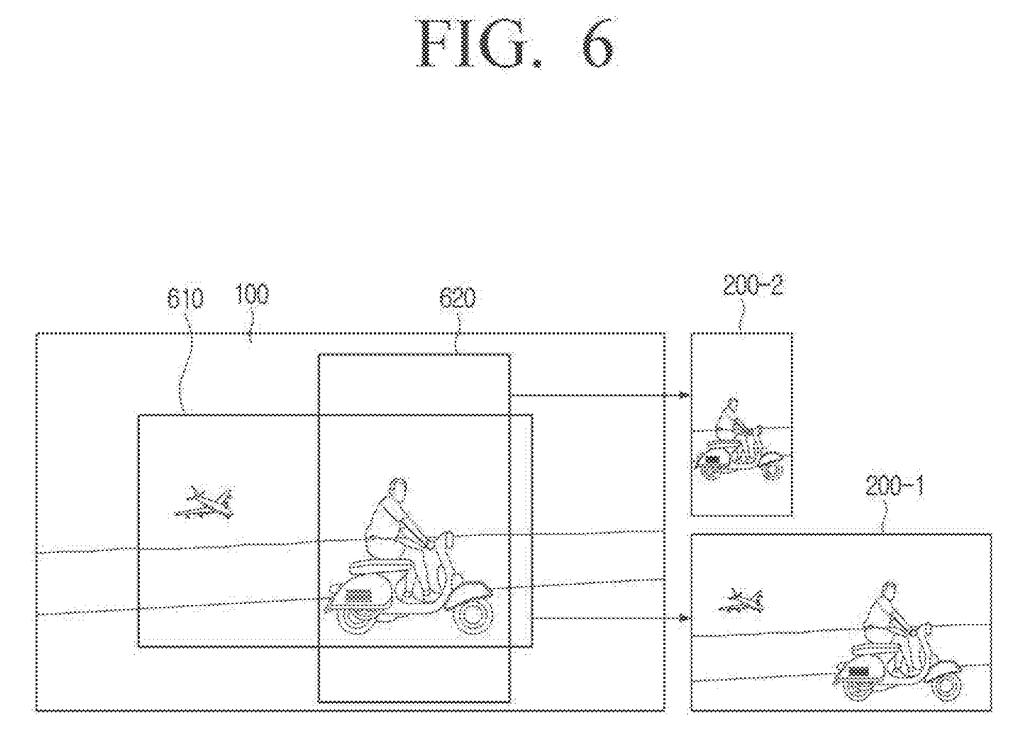
What Samsung's cross-screen action tracking actually does
Imagine you're watching a soccer match on your living-room TV. A player sprints off the edge of the frame, and a nearby tablet or second TV automatically picks up that player's feed, keeping the action in view even when it moves out of the main screen's shot.
That's the core idea in this Samsung patent. The primary display watches what's on screen, detects when something significant is moving, and figures out where a nearby second display is. It then sends a tailored video stream to that second screen, timed to the motion.
It's aimed at situations where one screen simply isn't wide enough for what's happening, and you want the picture to expand outward rather than crop or zoom. The two displays work together to give you a wider view of the same event.
… identify a motion of an object included in the first image and a location of another display apparatus; obtain a second image including the object based on the identified motion and the location of the another display apparatus; and stream the second image to the another display apparatus.
Translation: It tracks something moving on your TV and sends it to a nearby screen based on where that device is.
How the system picks up motion and routes the image
The system has four main steps running on the primary display device:
- Display a first image on the main screen as normal.
- Identify a motion of a specific object inside that image, for example a person, ball, or vehicle moving toward the edge of the frame.
- Obtain a second image that contains that object, factoring in both where the object is going and the physical location of the nearby second display.
- Stream that second image to the second display in real time over the communication interface.
The location-awareness step is key. The system doesn't just grab any extra camera angle; it chooses a feed that makes spatial sense given where the second screen is sitting relative to the first. If the second display is to the right, you'd expect the streamed image to show what's "off the right edge" of the main picture.
Motion identification is handled by the processor analyzing the incoming video, tracking objects frame by frame. The second image could come from a secondary camera source, a different broadcast angle, or a cropped and repositioned version of the existing feed, depending on what's available.
What this means for multi-screen home entertainment
For home viewers, this could turn two ordinary screens into something closer to a panoramic display without buying expensive wide-format hardware. Sports broadcasts, concerts, and live events are the obvious use cases, where the action frequently spills past the edges of a single frame.
For Samsung specifically, this kind of feature could tie together its TV, tablet, and monitor lines into a coordinated display ecosystem. Samsung's run of multi-device screen-sharing filings suggests the company is methodically laying the groundwork for displays that treat your whole room as the canvas, not just the panel on the wall.
Samsung's 110th filing we've tracked since May on Samsung's display technology, this follows earlier applications like a two-chip color fix and a color bleed fix for OLED.
The hardware Samsung needs already exists: screens, wireless connections, and processors that can coordinate between devices. What the document never explains is where the second video feed actually comes from, because a standard TV broadcast gives you one angle and nothing more.
That gap is the real obstacle. Making this work requires either a broadcaster supplying multiple camera angles at once, a camera already in your room, or software clever enough to invent a new view from the original picture. None of those sources are named here, and none are simple.
The shortest road to an actual product probably runs through deals with live sports broadcasters or through Samsung's own home camera hardware serving as the secondary source. Both paths depend on partners and infrastructure this document doesn't address, which puts the idea closer to claiming territory than to something that could arrive in a software update.
There are more where this came from
We read every patent application Big Tech publishes and send you the ones worth knowing. Plain English, free, every week.
The drawings
10 drawing sheets from US 2026/0299866 A1 · click any drawing to enlarge


Want this weekly breakdown for a company we don't cover? Patentlyze Pro →
Be the first to weigh in