
Samsung Patents a Nano Optical Lens Array for Single-Shot HDR Capture
Samsung is patenting an image sensor that uses nanoscale optical structures — not software — to simultaneously capture bright and dark scene data in a single exposure, potentially replacing the multi-shot HDR tricks your phone currently relies on.
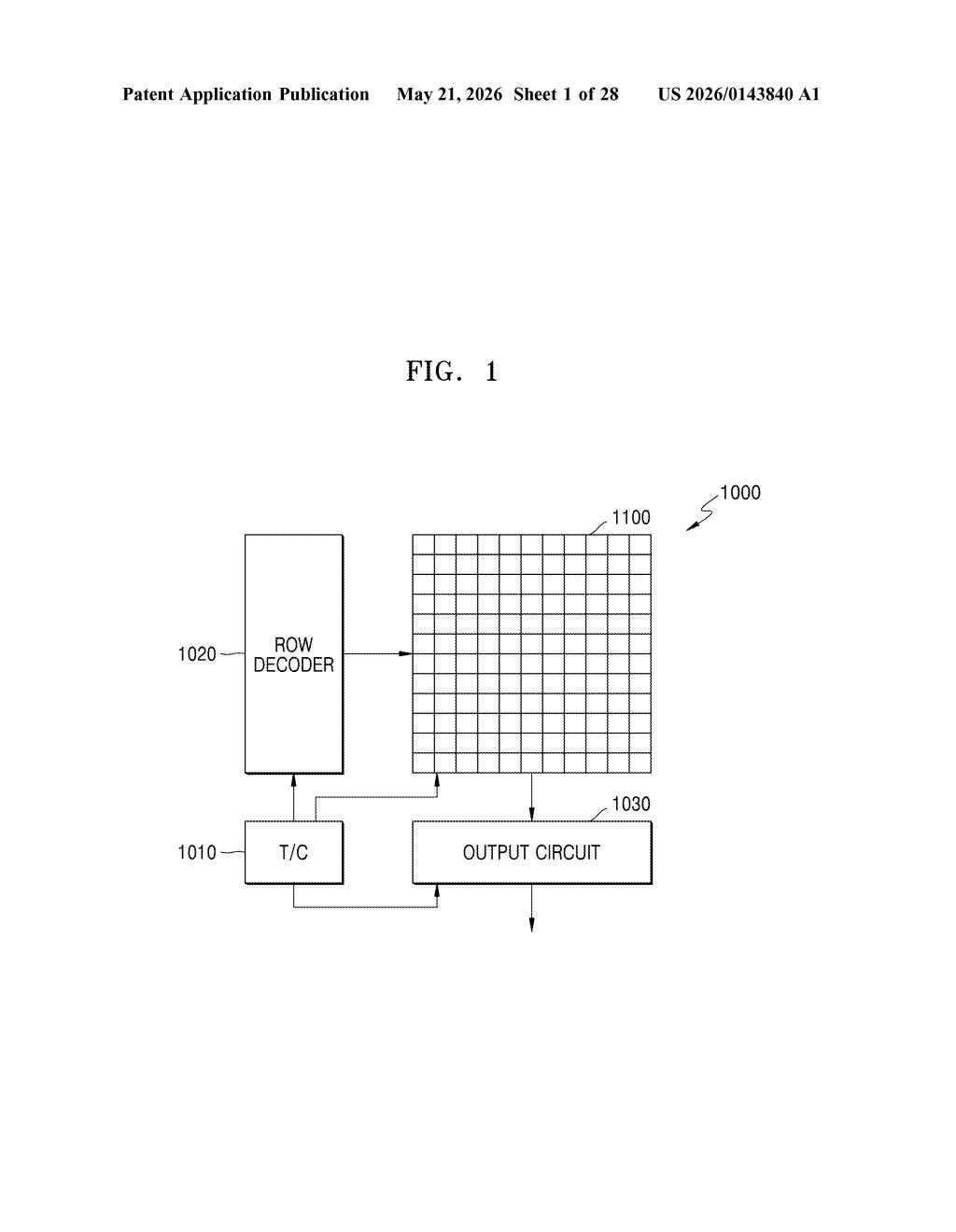
How Samsung's nano lens splits one pixel into HDR data
Imagine you're photographing a sunset: the sky is blazingly bright but the foreground is nearly dark. Your phone usually handles this by taking several photos at different exposures and stitching them together — which works fine until someone moves, and you get a ghost-like blur in the merged image.
Samsung's patent describes a way to solve that problem in the sensor itself, before any software even gets involved. Each 'pixel' in this sensor is actually a cluster: one central light-sensing cell surrounded by several smaller peripheral ones. A tiny nano optical lens sits on top and bends incoming light so the central cell captures a bright, detail-rich image while the surrounding cells capture a dimmer version — all at the same instant.
The result is two images — one exposed for highlights, one for shadows — coming out of the same sensor at the same time. No multi-shot merging, no motion artifacts. It's a hardware-level fix to a problem that phone cameras have been papering over with software for years.
How the nano structure phases light across sub-cells
The core invention is a nano optical lens array — a grid of nanoscale structures etched or deposited onto a substrate — layered on top of a conventional image sensor. Each unit area of the array sits above a unit light-sensing cell, which is itself a cluster of one central cell plus several peripheral cells arranged around it.
The nano structures are engineered to produce a specific phase profile (think of a phase profile as a precise map of how the lens bends light at every point across its surface). This profile simultaneously focuses incoming light onto both the central cell and the surrounding peripheral cells, but with different effective intensities. The central cell outputs a first image — presumably the full-brightness, high-detail capture — while the peripheral cells collectively output a second image at a different exposure level.
Because both images originate from the same sensor array and the same instant in time, they are inherently spatially and temporally aligned. Combining them into a final HDR image doesn't require ghost-removal algorithms or motion compensation — the hard part has already been handled optically.
The USPC classification (257/432) places this squarely in solid-state imaging devices, confirming this is a physical sensor architecture, not a computational photography pipeline.
What this means for mobile HDR photography hardware
For smartphone photography, HDR capture has long been a software workaround for a hardware limitation — sensors can't natively handle the full range of brightness in a real scene. Samsung's approach pushes that capability down into the silicon and optics layer, which means it could work faster, consume less processing power, and produce cleaner results in fast-moving scenes like sports or video.
For the broader industry, nano optical lens arrays represent a maturing fabrication approach that could eventually replace bulky stacked lens modules. If Samsung can manufacture this at scale for its Galaxy camera sensors — or supply it to other device makers — it could shift what 'good HDR' means at the hardware level, making today's software-heavy computational photography look like a transitional hack.
This is a genuinely interesting sensor architecture patent, not a routine incremental filing. Moving HDR from software tricks into optical hardware is a meaningful direction, and the nano lens approach is technically credible given where semiconductor fabrication is heading. The real question is yield and cost at mass-market scale — but Samsung is one of the few companies with the fab capability to actually try.
Get our take in your Top Stories
Liked this breakdown? Add Patentlyze as a preferred source on Google, and our plain-English take shows up more often in your Top Stories the next time Samsung patent news breaks.
There are more where this came from
We read every patent application Big Tech publishes and send you the ones worth knowing. Plain English, free, every week.
Want this weekly breakdown for a company we don't cover? Patentlyze Pro →