
Apple Patents a Camera That Records in Higher Quality Only When Something Interesting Appears
Apple is working on a camera system that watches what you're recording and automatically kicks into higher quality the moment something worth capturing actually appears. Think of it as a camera that saves its best effort for the moments that deserve it.
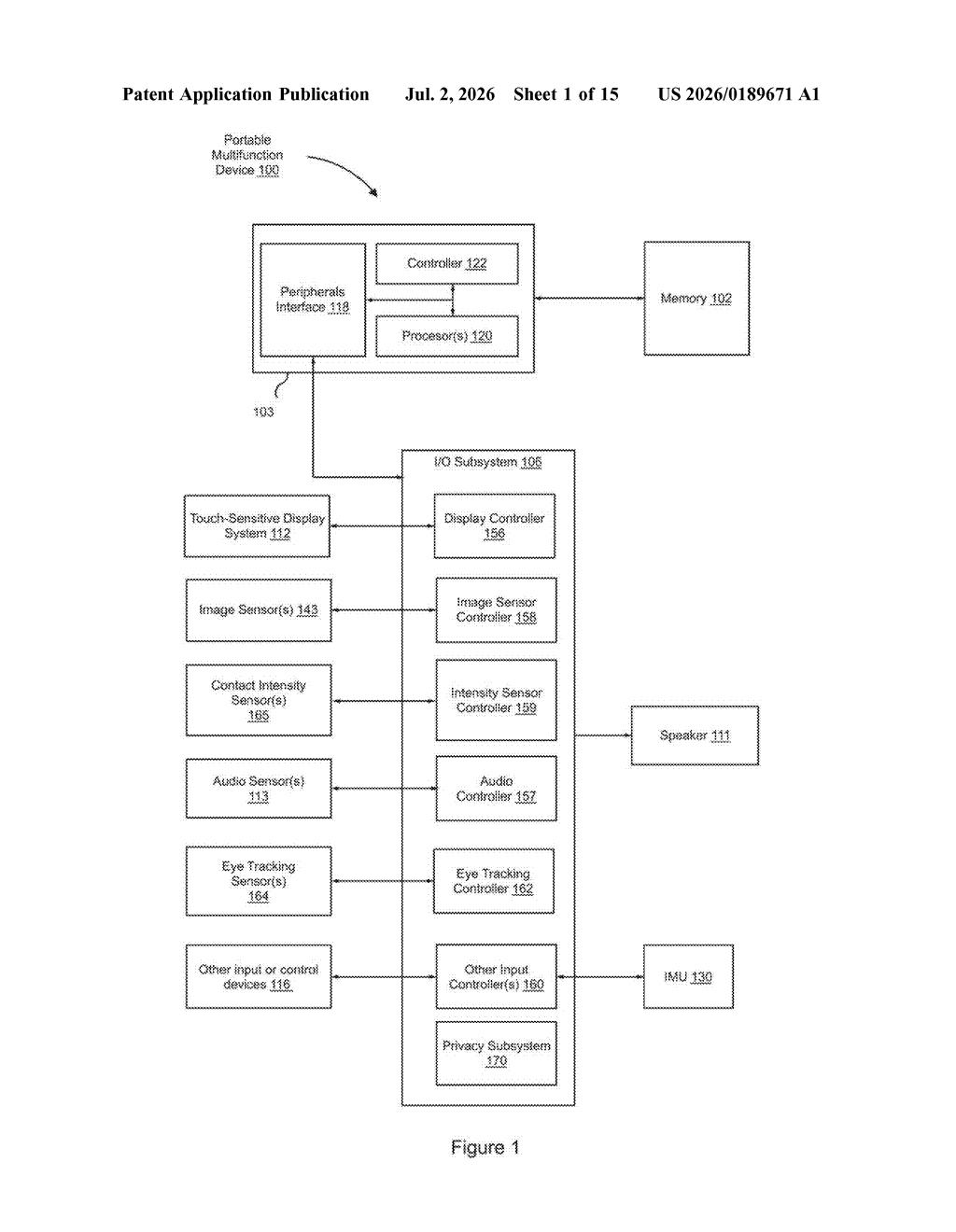
How Apple's on-demand video quality boost works
Imagine you're recording a long school play, mostly standing around waiting. Your phone is saving a basic-quality video so it doesn't eat through all your storage. Then your kid walks onto the stage and the camera recognizes that something significant is happening. It instantly fires up a second, higher-quality recording for that moment, and later blends the good footage into the main video.
That's the core idea in this Apple patent. Rather than forcing you to choose between recording everything at high quality (and filling up your phone) or recording everything at low quality (and regretting it), the camera tries to do both automatically. A low-quality stream runs constantly as the baseline, while a high-quality stream switches on only when the camera detects a particular object or a big enough change in the scene.
The two streams are then combined into a single, enhanced video that looks better at the moments that matter most. You get the full recording without burning through storage the whole time.
How the trigger, dual-stream, and merge pipeline fits together
The patent describes a three-stream architecture running on a device with a camera system (almost certainly a smartphone or similar handheld).
- Stream one is a low-quality, always-on baseline that records continuously. Think of it as the safety net.
- Stream two is a high-quality recording that only activates when a trigger condition is met. Triggers include detecting a specific object (a face, a pet, a vehicle) or a threshold amount of scene change (a lot of motion, a sudden shift in content). This is essentially event-driven recording.
- Stream three is the output: the device generates this final video by blending information from the high-quality stream back into the low-quality baseline, producing an enhanced version of the original recording.
The claim is intentionally broad about what counts as a trigger. It could be computer-vision-based object recognition (the device identifies something in the frame) or motion-based detection (the scene changes fast enough to cross a threshold). The two streams overlap in scene content, which is what makes the merge possible. The higher-quality data effectively upgrades the relevant frames of the baseline stream rather than replacing it entirely.
What this means for iPhone video and storage limits
Storage and battery are the two biggest constraints on continuous video recording. Recording everything at maximum quality drains both fast, which is why most people either cap clip length or drop to lower resolution for long takes. A system that dynamically scales quality up only during interesting moments could let you record much longer events without constantly worrying about space or battery.
For Apple's iPhone lineup, this fits naturally with the existing Cinematic mode and Action mode features, both of which already apply real-time computational decisions to video. A trigger-based quality system could extend that logic to make long-form recording genuinely practical, whether you're capturing a sporting event, a wedding, or a toddler who might take their first steps any second now.
This is a practical, well-scoped idea that addresses a real frustration with mobile video. The interesting engineering challenge is in the merge step, which the patent doesn't detail heavily, but the trigger concept alone is useful. It won't reshape how cameras work, but if Apple ships it cleanly, it's the kind of quality-of-life improvement that makes a feature feel thoughtful.
Get our take in your Top Stories
Liked this breakdown? Add Patentlyze as a preferred source on Google, and our plain-English take shows up more often in your Top Stories the next time Apple patent news breaks.
There are more where this came from
We read every patent application Big Tech publishes and send you the ones worth knowing. Plain English, free, every week.
Want this weekly breakdown for a company we don't cover? Patentlyze Pro →