
Samsung Patents a Fold-Angle Audio Routing System for Multi-Device Setups
When you prop two Samsung devices together at an angle, their speakers could automatically carve up a surround-sound mix between them — no manual configuration required. That's the idea behind this new Samsung patent.
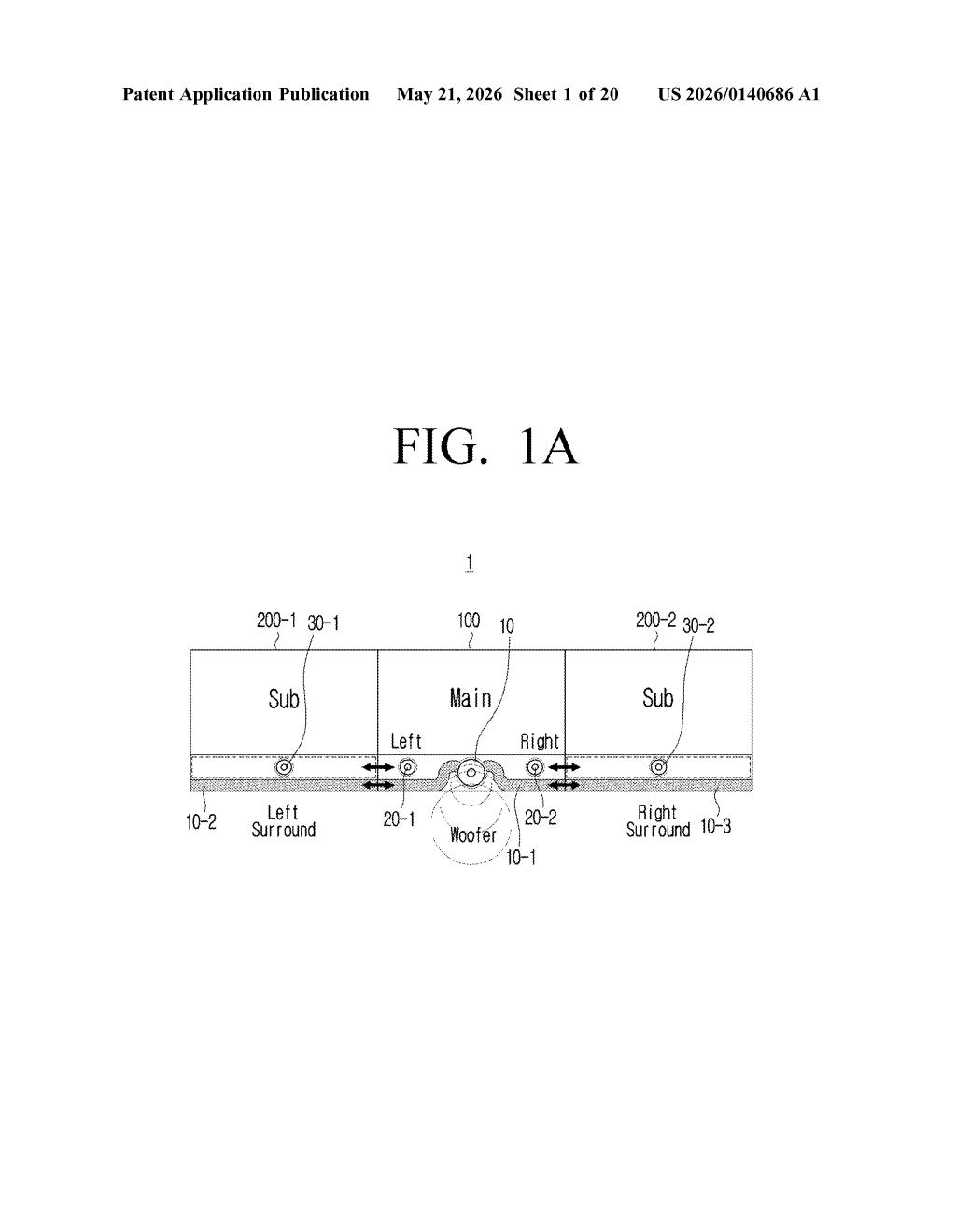
What Samsung's fold-angle speaker mapping actually does
Imagine docking your phone against your tablet to watch a movie. Right now, both devices just blast the same stereo audio, which sounds redundant and a little muddy. Samsung's patent describes a system that fixes this by actually thinking about the geometry of the setup.
A sensor on the device measures the physical angle between the two screens — like a hinge reading how wide or narrow your makeshift tent is. Based on that angle, the system figures out which audio channels (left, right, surround, bass) each device's speaker should handle. One device might take the front channels; the other handles the rears or the low frequencies.
The result is a kind of automatic surround sound that adapts as you physically move the devices. Tilt them wider apart and the soundstage shifts. The devices coordinate wirelessly, so each one only plays its assigned slice of the full audio mix.
How the angle sensor drives channel routing across devices
The patent describes an electronic device — think a Samsung phone or tablet — that can connect to at least one other Samsung device to form a multi-display system. The key hardware addition is a first sensor dedicated to detecting the folding angle between the two devices when they're physically connected or docked together.
The processor does four things in sequence:
- Reads the current folding angle from the sensor while the system is in multi-display mode
- Looks up channel mapping information — essentially a lookup table that says "at this angle, these channels go here"
- Splits the incoming audio signal into multiple channels based on that mapping
- Plays some channels locally through its own speaker(s), and transmits the remaining channel data to the other device via a communication interface
The abstract also references a woofer and surround designation in what appears to be a channel assignment diagram, suggesting the system can handle more than basic stereo — potentially a full 2.1 or multi-channel surround layout distributed across devices.
Critically, the channel assignment is dynamic: if the angle changes, the mapping can change too, meaning the audio layout self-corrects as you reposition the hardware.
What this means for Galaxy multi-screen audio setups
Samsung already sells the Galaxy Z Fold line and pairs tablets with phones through DeX and other multi-screen modes. Adding angle-aware audio routing to that ecosystem would give a real acoustic reason to arrange devices intentionally — turning a desk setup into something closer to a spatial audio system without external speakers.
For you as a user, this means the way you physically place your devices could start shaping how your content sounds, not just how it looks. That's a meaningful upgrade over today's experience, where multi-device audio is basically an afterthought. Whether Samsung ships this as a Galaxy feature or uses it to differentiate a future foldable or modular device remains to be seen.
This is a genuinely clever idea that ties hardware geometry to audio behavior in a way that feels natural rather than gimmicky. It plays directly to Samsung's strength in multi-screen ecosystems — nobody else has the device lineup to make this worthwhile. The main question is latency: synchronized multi-device audio is hard to do cleanly, and the patent doesn't address that.
Get our take in your Top Stories
Liked this breakdown? Add Patentlyze as a preferred source on Google, and our plain-English take shows up more often in your Top Stories the next time Samsung patent news breaks.
There are more where this came from
We read every patent application Big Tech publishes and send you the ones worth knowing. Plain English, free, every week.
Want this weekly breakdown for a company we don't cover? Patentlyze Pro →