
Samsung Files Patent for Phones That Learn When a Satellite Can Actually Hear Them
Your phone may waste battery shouting at satellites that are still too far away to hear it. Samsung's patent has it keep notes from past passes so it speaks up at the right moment.
What Samsung's satellite-timing patent does
A phone in a canyon keeps calling out to a satellite that is still too far overhead to hear it. Every call costs battery, and none of them get through. That is the problem Samsung's patent goes after, and it matters most when you are somewhere remote and your charge is all you have.
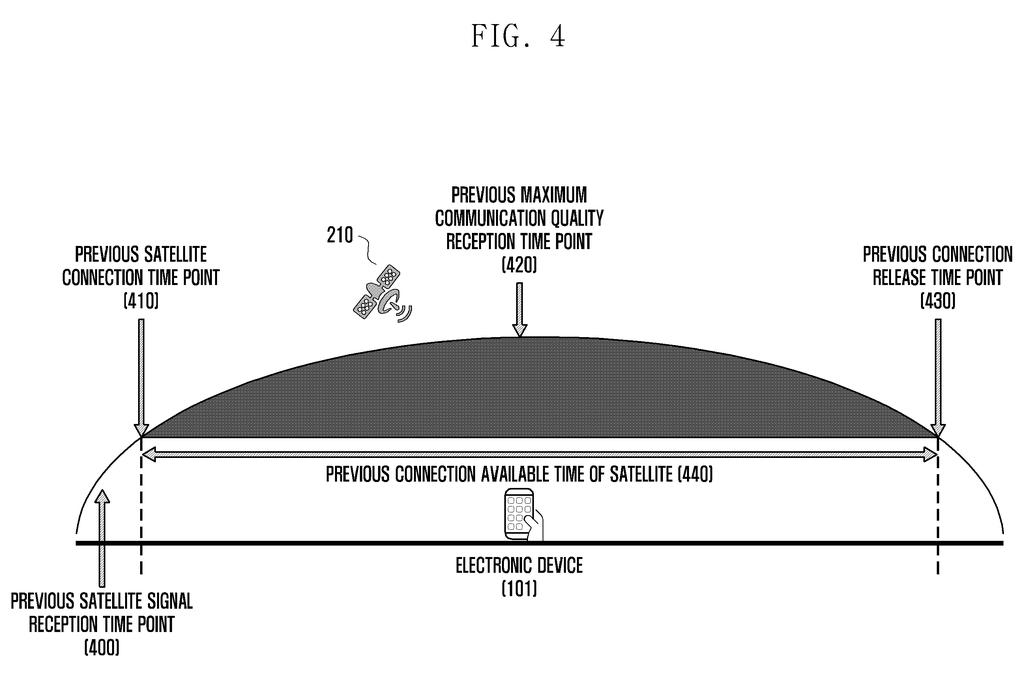
The idea is simple: your phone remembers its last encounter with a satellite. It keeps notes on when it first heard the satellite, how strong the signal was when it connected, and when the signal peaked. The next time that satellite (or one on the same orbit) shows up, the phone uses those notes to guess when its own signal will finally reach.
It can also lower its transmit power instead of always blasting at full strength. The tradeoff, the filing says, is a possibly slower connection, so the phone can show a pop-up asking you to approve a battery-saving mode.
… based on the connection information related to the satellite being present in the memory, determine, based on the connection information, a transmission time point for transmitting a transmission signal to the satellite …
Translation: The phone uses saved data to figure out the exact moment to send a signal to the satellite.
How the phone picks its moment to transmit
When the phone detects a satellite, it first checks its memory for connection information, meaning notes from an earlier encounter with that satellite or another one on the same orbit. If the notes exist, it uses them to pick a transmission time point, then sends its signal at that moment. The signal in the description is a RACH preamble, the opening message that asks to join the network.
The stored notes can include:
- When the phone first heard the satellite, and the signal quality then
- When it connected, and the signal quality then
- The peak signal quality and when it happened
- When the link dropped, and the signal quality then
The claims let the phone set the timing from several of these, such as the gap between first hearing the satellite and connecting, or the best signal seen last time. A further claim sets transmission power from the same notes. In the description's example, the phone's maximum is about 36 dBm (a unit of radio power), and a remembered 5 dBm difference in signal quality lowers the output to about 31 dBm.
The description adds extras. Before the chosen moment, the phone can retry at wider spacing, then tighten the spacing once the moment arrives. It can keep a list of satellites to skip because past connections failed or were too short. And a battery-saver toggle falls back to the old method when switched off.
… identify whether connection information related to the satellite is present in the memory …
Translation: The device checks its memory to see if it already knows how the satellite connects.
Why this could stretch your SOS battery
Satellite connection is showing up as a phone feature for emergencies, and the description names emergency messaging and SOS services among its uses. A phone that wastes power on signals nobody hears drains the battery just when you need it most. Timing those signals better could stretch whatever charge is left.
The filing also admits a cost: connecting may take longer, which is why it describes a pop-up asking you to opt in. Whether that trade is worth it depends on how much delay you would accept in a real emergency. The patent does not say how much battery would actually be saved.
Samsung's 90th filing we've tracked since May in our 5G and network push follows work like giving AI models unique IDs and 3D location sensing on cell networks.
The filing describes only things a phone already has: a processor, memory and a radio circuit. That makes this a software change living in the modem (the chip that handles cellular signals), so a phone that already talks to satellites could in principle pick it up through an update.
What has to exist first is a working satellite service and at least one earlier pass for the phone to learn from. That catch is real: the very first connection gets no savings, and the trick depends on satellites repeating predictable orbits. The filing handles this by falling back to the old method when no notes are stored.
The shortest route to a product is a battery-saver toggle in the emergency settings, with a pop-up warning that connecting may take longer. That is a small, believable feature, and a useful one if you ever need a text to get out on a nearly dead battery.
Get our take in your Top Stories
Liked this breakdown? Add Patentlyze as a preferred source on Google, and our plain-English take shows up more often in your Top Stories the next time Samsung patent news breaks.
There are more where this came from
We read every patent application Big Tech publishes and send you the ones worth knowing. Plain English, free, every week.
The drawings
20 drawing sheets from US 2026/0322483 A1 · click any drawing to enlarge


Show the other 12 sheets


Want this weekly breakdown for a company we don't cover? Patentlyze Pro →
Be the first to weigh in