
Samsung Patents an On-Board Image Conversion Circuit for Display Output
Samsung is patenting a compact electronic apparatus that takes an incoming video signal, converts it on-board using a dedicated circuit, and pushes a clean output to a display — all within a single, neatly organized substrate.
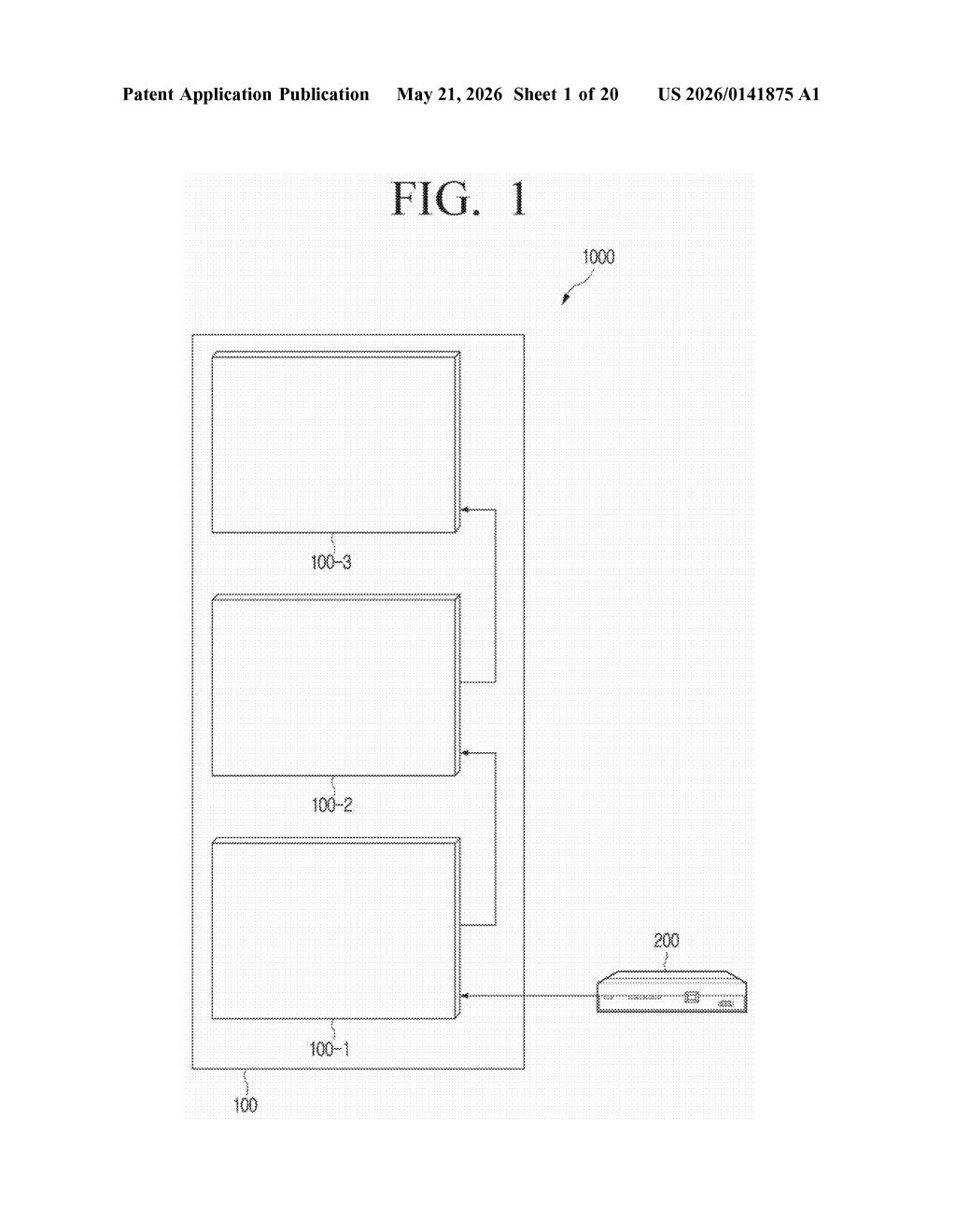
What Samsung's on-board image converter actually does
Imagine you have a laptop or gaming console plugged into a monitor, but the signal coming out of your device isn't quite in the right format for the screen — wrong resolution, wrong color profile, maybe even the wrong refresh rate. Normally, either your source device or the monitor itself has to handle that translation. Samsung's patent describes a small standalone box (think of it like a smart HDMI adapter) that sits in the middle and handles all of that conversion automatically.
The device has input and output connectors on the top of its circuit board, and the conversion hardware tucked underneath. A processor reads your preferences — things like resolution or color settings — and uses that dedicated conversion circuit to reformat the image before it ever reaches your display.
It's a tidy, self-contained approach: the signal comes in, gets reshaped to match what your screen needs, and goes out. No separate software, no fussing with display menus.
How the conversion circuit sits beneath the substrate
The patent describes an electronic apparatus built around a single substrate (a circuit board). On the top surface of that board sit both an input connector (to receive a video signal) and an output connector (to send the processed signal to a display). On the bottom surface sits a conversion circuit — the dedicated hardware that does the heavy lifting of reformatting the image.
At least one processor orchestrates the whole flow:
- It acquires an incoming image through the input connector.
- It applies setting information (user-configured or auto-detected output preferences like resolution, frame rate, or color format) to determine how the image needs to change.
- It hands the image off to the conversion circuit, which produces the reformatted output.
- The converted image is then sent to a connected display through the output connector.
The physical layout — inputs/outputs on top, conversion logic on the bottom — is likely intentional for thermal management and signal routing efficiency, keeping high-speed connectors away from the heat-generating conversion silicon.
What this means for Samsung's display hardware lineup
For Samsung, which sells everything from monitors and TVs to projectors and digital signage, having a standardized, modular image-conversion building block could simplify the internal hardware design across many product lines. Rather than redesigning conversion logic for each screen, a common substrate architecture could be reused or adapted.
For end users, the practical payoff would be better out-of-the-box compatibility when connecting devices — fewer format mismatch headaches, fewer trips into display settings menus. It's the kind of quiet infrastructure work that tends to matter most in commercial display installations, where you're plugging in many different source devices and need consistent output quality without manual calibration each time.
This is a fairly narrow hardware-layout patent covering how an image conversion circuit is physically arranged on a substrate alongside its I/O connectors. It's not a dramatic technical leap — image scalers and format converters have existed for decades. The value here is likely defensive or standards-positioning for Samsung's display and signage divisions, not a signal of a flashy new product.
There are more where this came from
We read every patent application Big Tech publishes and send you the ones worth knowing. Plain English, free, every week.
Want this weekly breakdown for a company we don't cover? Patentlyze Pro →