
Amazon Files Patent to Help Its AI Assistant Pick the Right Tool for Your Request
Before an AI assistant can use the right app for you, it has to know which apps exist. Amazon's filing describes a screening step that hands the AI a short list instead of the whole catalog.
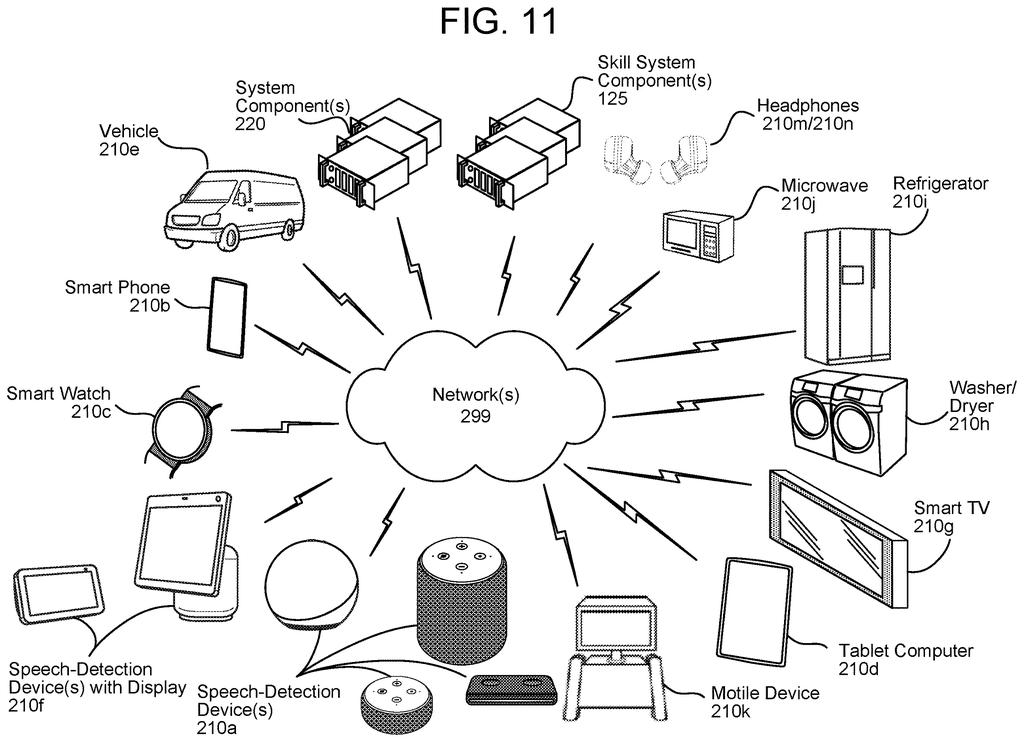
What Amazon's component shortlister actually does
Imagine you tell a voice assistant, "order me a pizza," and before it can answer, it has to skim a description of every app, service, and smart-home gadget it knows about. That would be slow, and a giant pile of choices makes mistakes more likely.
Amazon's filing adds a screening step. Before the main AI model chooses what to use, a helper turns your request into a search, looks through short descriptions of the available tools, and builds a short list. It can also drop options that make no sense for you, like a service tied to another location or one that needs a screen your speaker doesn't have.
The main AI then only has to choose among a handful of finalists. In theory, you get an answer sooner and from the right tool.
… processing, using a first model, the first input data to generate a first query to search component descriptions to identify one or more components corresponding to the first user input; …
Translation: The system uses an initial model to search through tool descriptions based on what the user asked.
How the shortlister builds its short list
The patent covers a component shortlister. A "component" here is anything the AI can call on to do a job: an app connection (called an API, a standard way for one piece of software to ask another to do something), a skill, or another AI agent.
The claimed steps, in order:
- Your request comes in, spoken or typed.
- A first AI model writes a search query from it.
- That query is matched against written descriptions of components to build a set of candidates.
- A large language model (the AI behind chatbots) gets a prompt listing only those candidates and picks one.
- The chosen component produces the answer, which is presented to you.
Later claims add filters and scoring. Components can be dropped if their location or device type doesn't match yours, and they can be favored based on how often they were called, answered, or earned positive feedback. The system can also remember that a component handled a similar request before, and it can start part of the search while speech is still being turned into text.
The description also covers two other ways to pick candidates: matching against sample requests, and fixed rules (a device in a hotel room could always offer a "call staff for help" option). It also describes saving results so that 50 people asking about the weather within five minutes don't each trigger a fresh search.
The shortlister includes one or more proposers that each select n components for performing an instant task.
Translation: A filtering system uses different proposers to gather potential tools needed for the job.
Why a shorter list could speed up assistant replies
As voice and chat assistants connect to more apps and services, the menu the AI has to read grows longer. Long prompts are slower and more expensive to process, and a bigger menu gives the AI more chances to grab the wrong tool. A shortlist aims at both problems, so your requests could come back faster and land on the right service more often. Filtering by device and location also means you shouldn't be offered options your gadget can't actually do.
The filing also pitches a benefit for developers: new services can be added with just a few example requests, and the list adapts when a service changes. That matters for any company trying to keep a growing app ecosystem usable by an AI. It shows where the engineering effort sits: the plumbing between the AI and the tools it calls.
Amazon's 13th filing we've tracked since May on Alexa taking action follows earlier applications like one ranking emotional call topics and one browsing websites by voice.
Claim 21 is short and wide. It covers any system where one AI model turns a request into a search query, that query pulls a set of matching tools from written descriptions, and a large language model then picks one tool from that set to produce the answer.
Nothing in that claim mentions voice, speakers, or Amazon hardware. The location and device filters, the usage scores, and the shortcut for repeat requests show up only in later claims. So the core claim describes a general pattern that a chatbot with many tools to choose from could follow.
If granted as written, a claim this broad would reach well beyond Amazon's own products. Broad claims like this often get narrowed during review, so the filters and scoring in the later claims may end up carrying more weight than the headline idea.
Get our take in your Top Stories
Liked this breakdown? Add Patentlyze as a preferred source on Google, and our plain-English take shows up more often in your Top Stories the next time Amazon patent news breaks.
There are more where this came from
We read every patent application Big Tech publishes and send you the ones worth knowing. Plain English, free, every week.
The drawings
14 drawing sheets from US 2026/0331107 A1 · click any drawing to enlarge


Show the other 6 sheets


Want this weekly breakdown for a company we don't cover? Patentlyze Pro →
Be the first to weigh in