New Amazon Patents Teach Alexa to Watch, Sense, and Act, and where they point
This tracker follows Amazon patents that let Alexa read what's on your screen, catch a skill collecting sensitive data, sense when you're about to speak, and explain its own answers. Together they show Amazon building an assistant that watches, judges, and acts instead of just answering.
9 filings
· tracking since May 2026 · latest Jul 2026 · updates weekly
based on all tracked filings in this watchlist · refreshes every week
Amazon is filing patents around making Alexa smarter about how it listens, talks, and acts, covering everything from turning your voice into working software to explaining why it made a choice.
The filings lean heavily on two areas right now: making the assistant feel more aware of its surroundings (your screen, the sounds in a room, what you are about to say) and keeping its behavior safe and trustworthy (catching skills that grab private data, making it explain its own decisions).
the problems Amazon keeps filing on · each with its three newest filings · new filings join every week
Alexa Reads the Room 3 filings
A voice assistant works better when it understands context beyond the words spoken. These filings cover systems that track what is on your screen, sense when you are about to speak, and adjust tone mid-conversation.
Acting on a request means understanding it fully, not just the words used. These filings cover systems that convert requests into working software commands, help an AI explain its own choices, and guide an AI through complex real-world situations like difficult roads.
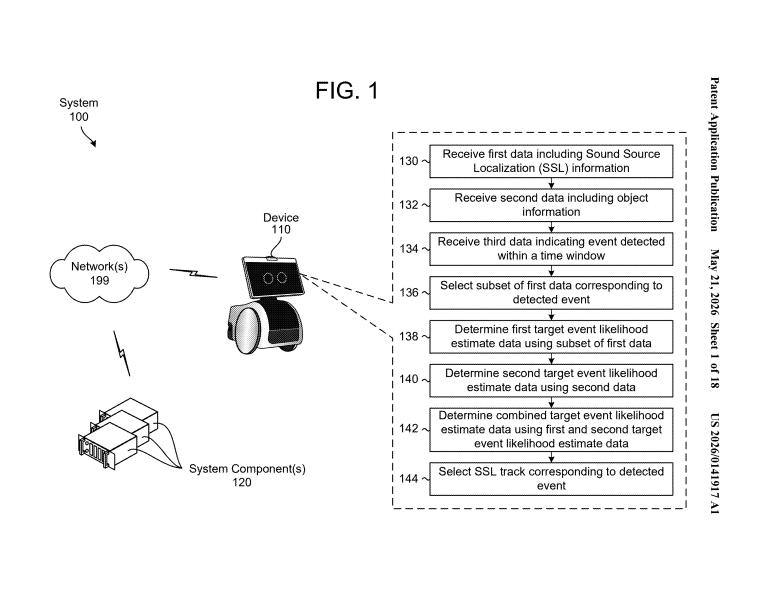
Voice assistants and robots need to understand the space around them to be useful. These filings cover systems that map objects in a room to find where a sound is coming from, and swap out skill sets on a robot based on what a person asks it to do.
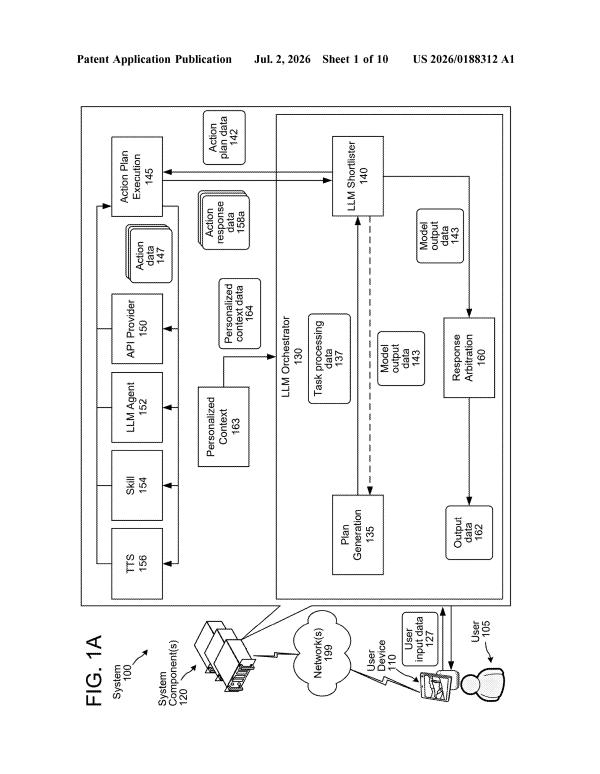
Getting Alexa's intent into actual system calls requires mapping fuzzy user requests to specific APIs and services. This filing describes the translation layer that converts "check my flight" into the right backend command.
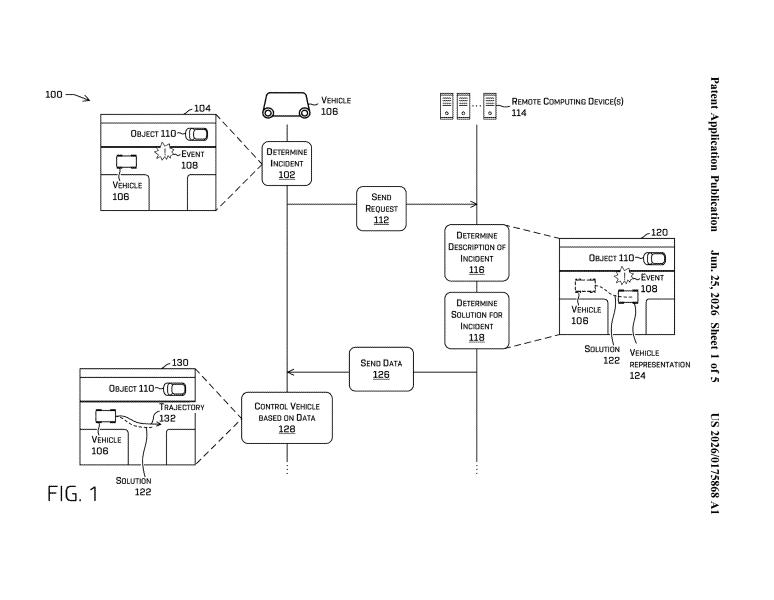
A robotaxi stuck on an unusual road situation could query an AI chatbot instead of waiting for human intervention, compressing the decision cycle from minutes to seconds.
To physically act on decisions, Alexa's robot body needs to switch between specialized skills without losing basic competence, this filing shows how general movement and task-specific control can run simultaneously.
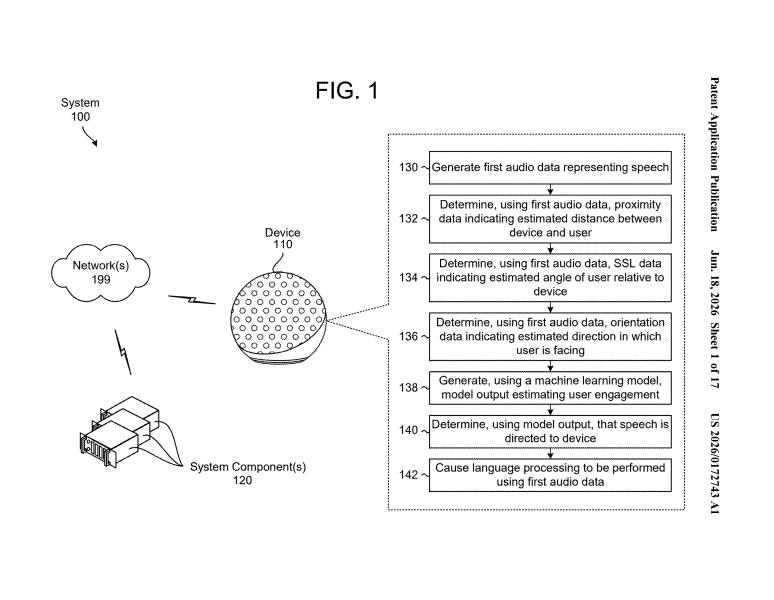
Predicting speech intent from acoustic cues alone lets Alexa skip the wake word entirely, moving the assistant from passive listening to reading conversational context without explicit commands.
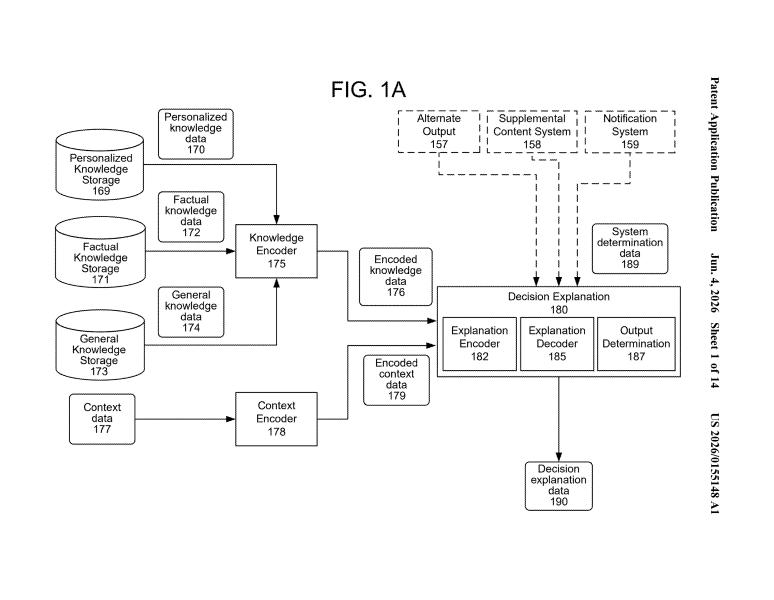
Once Alexa starts acting on its own, you need to know why it acted. This patent sketches how the system could show its reasoning in plain language, turning the black box into something you can actually audit.
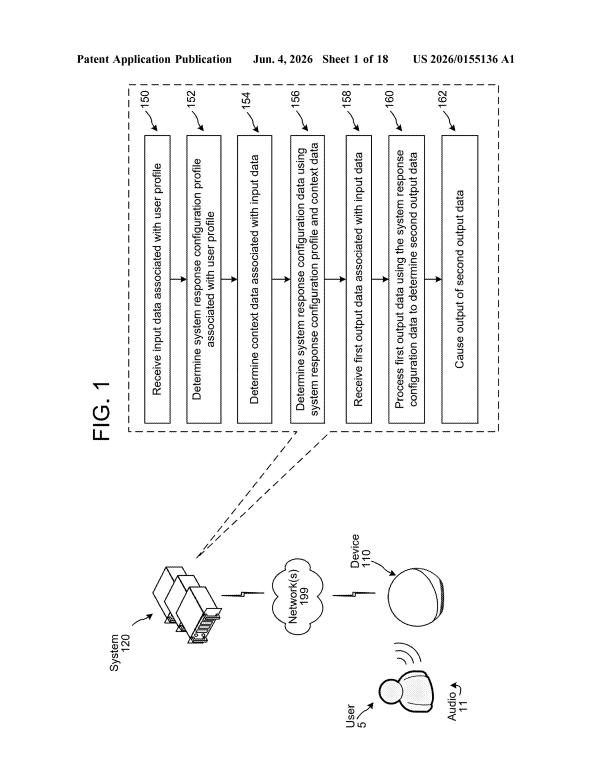
Detecting user frustration from conversation signals lets Alexa shift its response style without explicit commands, moving the assistant closer to reading emotional cues rather than just parsing words.
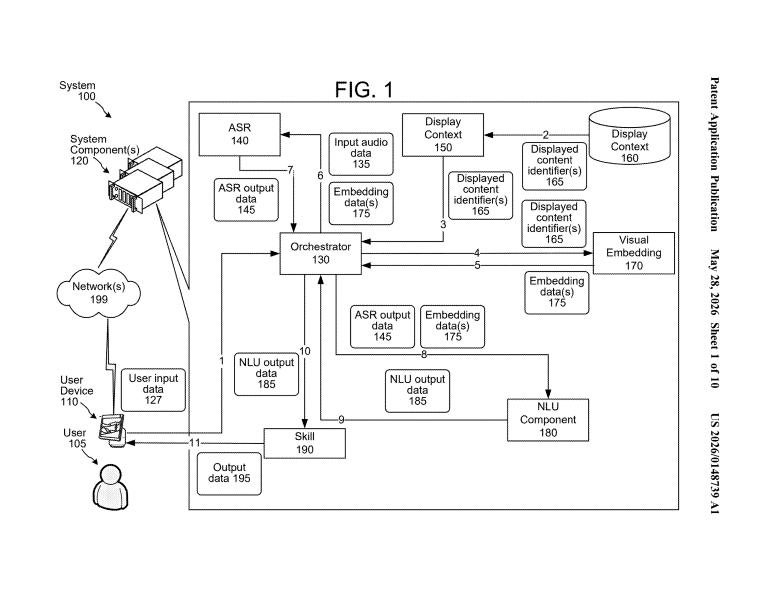
An Alexa that grasps screen context could execute commands like "add that to my cart" without requiring you to name the product, letting the assistant move from parsing speech to understanding intent.
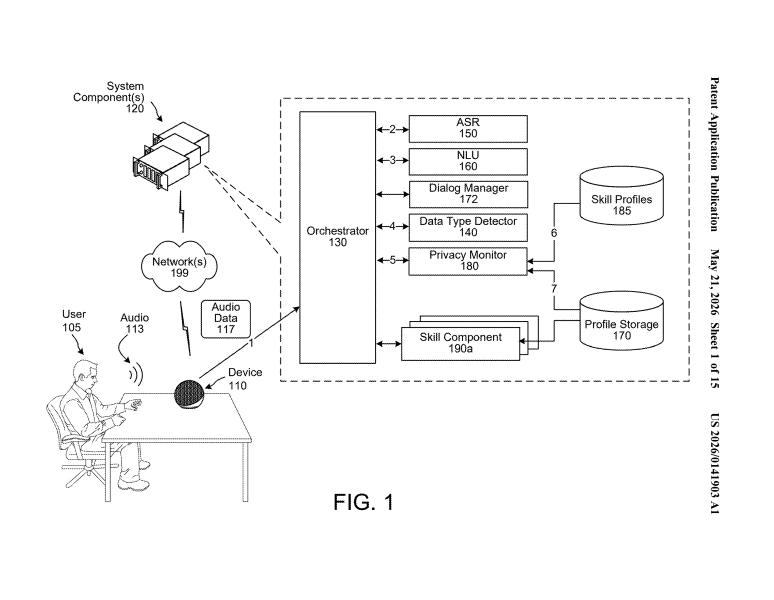
Preventing Alexa skills from intercepting unintended data requires a filter that knows what each skill is supposed to hear. This patent describes a system that monitors data flowing to skills and blocks sensitive information they weren't authorized to collect.
Matching audio arrival angles against spatial maps of furniture and walls lets the system ignore bounced sound and lock onto the actual speaker's location, sharpening how Alexa pinpoints where commands originate.
Questions readers ask
What problem does Amazon's Alexa patent tracker cover?
This tracker follows Amazon patents that push Alexa past simple Q&A: tying commands to what's on your screen, finding the true source of a sound, sensing when you're about to speak, auditing skills for privacy leaks, and explaining its own decisions. It's a research signal, not a list of confirmed products.
Does this mean Alexa will read my screen automatically?
One filing describes tying voice commands to on-screen content, but it is a patent application, not a shipped feature. It shows Amazon exploring how phrases like 'add that' could resolve against what's displayed, not a confirmed product timeline.
Why does Amazon care about Alexa's privacy habits?
One patent in this batch is built to catch Alexa skills that collect sensitive data like phone numbers without clear need. It suggests Amazon is building internal auditing tools alongside new sensing features, likely because more cameras and context awareness raise more privacy questions.
What's next for this Alexa watchlist?
Expect more filings on context awareness, like combining screen data with audio and speech timing, plus continued work on explainability and robot skill switching. The tracker updates as new Amazon filings publish, so check back rather than expecting a fixed list.
Want this weekly breakdown for a company we don't cover?
Patentlyze Pro →
The weekly email: the best of Big Tech's filings, in plain English. Free.