
Google Files Patent to Recognize You by How You Tap and Hold Your Phone
Google has filed a patent application for software that can tell who is using a device by the way they tap, swipe and tilt it. The aim is to skip the sign-in screen on shared devices.
What Google's touch-based account matching does
You hand your phone to your sister so she can look up a recipe. The family tablet gets passed around all evening. In both cases the device has no good way to know who is using it right now, unless it stops and asks.
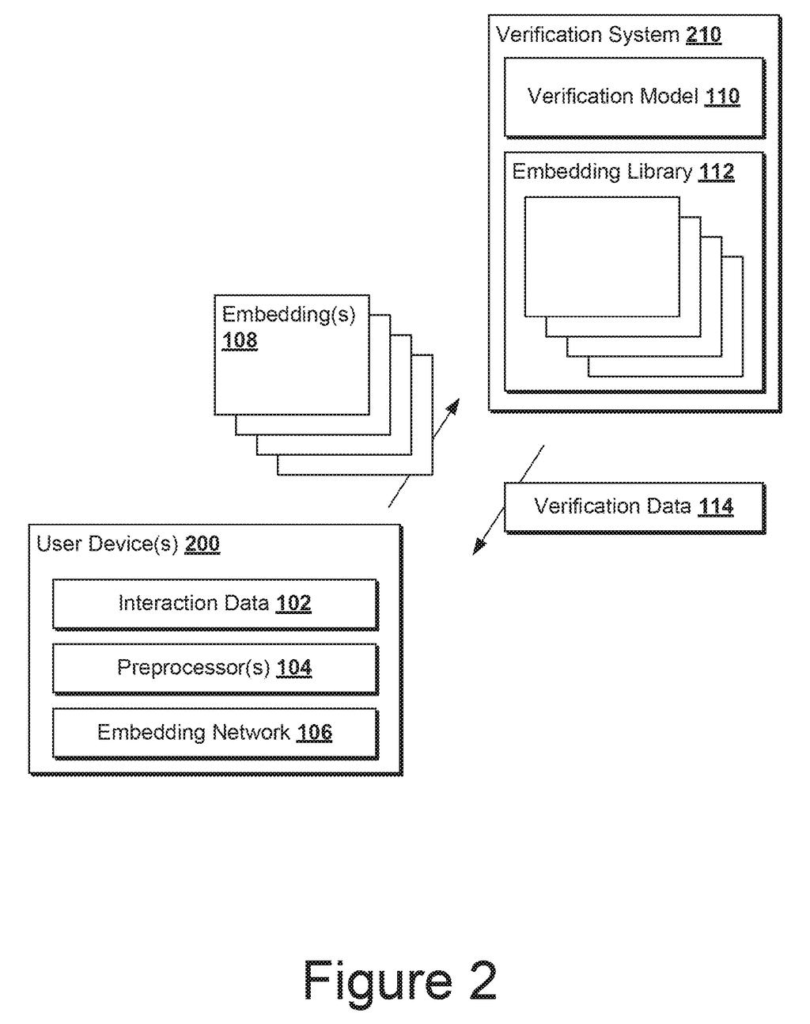
Google's patent application describes a way for the device to work that out on its own. As you tap, swipe and move the device, its sensors record where your fingers land, how fast they move, how hard you press and how the device tilts. A trained AI model boils that down into a kind of touch signature and matches it to a known account.
The goal is to adapt the device to whoever is holding it, such as loading their settings or suggesting content, without a sign-in each time. If the system isn't sure, the filing says it can ask you to confirm, then learn from your answer.
… generating a multidimensional input having a format that indexes the interaction data over a plurality of time steps …
Translation: It organizes how you touch your phone across tiny slices of time.
How Google's pipeline turns taps into a fingerprint
The system runs in the background of the operating system (the core software that manages the device) while you use it. It records touch locations, timing, speed, acceleration, pressure and motion-sensor readings. The filing says a secured area of the device can keep other apps from seeing that data.
Next, the raw data is arranged into a multidimensional input, which means a grid of numbers tracking where and when each touch happened over a series of time steps. The patent also describes turning it into a map of the screen, with separate channels for timing, speed and pressure. A neural network called an embedding network (a model that squeezes lots of data into a short list of numbers capturing its key traits) then produces that list.
A verification model compares the list against a reference library of stored lists tied to accounts. It measures distance: the closer the match, the likelier the account. The filing also describes:
- Adding random noise to the data to protect privacy
- A sliding window over a rolling buffer, so the device keeps re-checking as you go
- A prompt asking you to confirm the guess, which then becomes training data
- An API (a standard way for apps to talk to a service) so apps can ask who is using the device
Feature values that embed characteristics of the unverified interaction data can be generated using a machine-learned embedding network …
Translation: An AI network analyzes your unique physical habits to build a digital fingerprint.
Why shared TVs and borrowed phones are the target
If you share a tablet, a family TV or even your own phone, you know the friction: sign-in screens, profile pickers and settings that belong to somebody else. This patent application points toward devices that adjust to whoever is using them as it happens. That could mean loading their settings, suggesting content, finishing their sentences with predictive text or tuning speech recognition to their voice.
It also touches security. The filing says background checks could back up, or replace, explicit sign-ons, and that content providers could pick what to show based on who the system thinks you are. That makes accuracy matter a lot, because a wrong match shows the wrong person the wrong things. Like any patent application, it shows what Google is exploring, not a product you can expect.
Google's 920th filing we've tracked since May in our Google coverage follows patents like the paused-livestream highlights idea and the VR-data cell tower application.
Every convenience here is paid for with a guess. If the model is wrong, your phone could greet a borrower with your settings, your recent content or your predictive text, and a wrong guess is worse than a sign-in prompt because nobody sees it coming.
The design also asks for constant watching. To recognize you, the device has to record how you tap and move all day. Google's filing answers with a secured area that shields the data from other apps and with noise that blurs the raw inputs. Those are sensible protections, though they depend on Google's own software behaving as described.
Does the trade read as worth it? For low-stakes personalization like a tablet's home screen, yes, and the confirmation prompt gives it a safety valve. For anything guarding money or private messages, a behavior-based guess should back up a real sign-in, and the filing itself frames it as a supplement as well as a replacement.
Get our take in your Top Stories
Liked this breakdown? Add Patentlyze as a preferred source on Google, and our plain-English take shows up more often in your Top Stories the next time Google patent news breaks.
There are more where this came from
We read every patent application Big Tech publishes and send you the ones worth knowing. Plain English, free, every week.
The drawings
10 drawing sheets from US 2026/0332598 A1 · click any drawing to enlarge


Show the other 2 sheets


Want this weekly breakdown for a company we don't cover? Patentlyze Pro →
Be the first to weigh in