
Sony Files Patent to Turn Game Sounds Into Controller Vibrations and Lights
When a monster growls in a game, how do you know it is about to attack if you can't hear it? Sony's filing answers with a buzz in your hands or a light on your controller.
What Sony's controller sound cues actually do
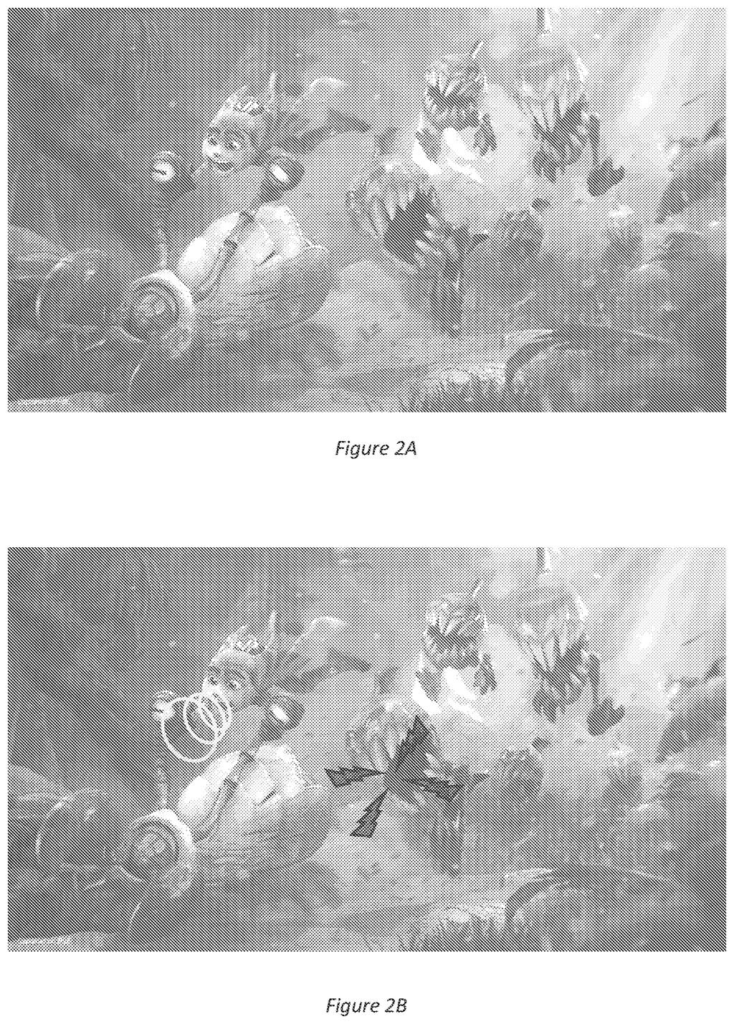
A game character runs from three monsters while shouting. One monster growls, which is the game's way of saying it is about to attack. If you are deaf or hard of hearing, you may not know which monster to dodge, or whether that shout was an important line of dialogue.
Sony's filing describes a way for the game system to work out what each sound is meant to do to you before it plays. Is it meant to scare you, warn you, or just set the mood? The system then adds a matching cue: a color, icon or word on screen, or, in the claims, a vibration or light on your controller.
The cues follow a consistent pattern, so you would learn that a certain icon or buzz always means trouble. The filing says the same idea could even be added to older games that were never built for it.
… classifying an intended effect on a user of the sound that is to be output to the user, the sound corresponding to a virtual sound source in a virtual environment that supports interactions via a controller …
Translation: The system figures out how a game sound is supposed to make you feel before it plays.
How a PlayStation labels a sound before it plays
The core claim covers a step that happens before a sound plays: the system classifies the sound's intended effect on you. That means deciding whether it is meant to alert you, notify you, or just fill the background (an ambient sound). It then picks a matching "output element" to show alongside the sound, and the claims say that element appears at the controller.
The filing and its claims describe several forms the cue can take:
- A vibration pattern in a handheld controller that matches the type of sound.
- A light on the controller itself. The description mentions LEDs around the DualSense touchpad that point toward the sound.
- A color, icon or word on screen, such as a danger icon or a written "Roar!", which can also show where the sound came from.
Classification can come from tags attached to the sound, or from analyzing its audio traits: how sharply it starts, its pitch mix, its loudness and its length. A loud, sharp burst might be tagged as a shock. The cue can also depend on how far the source is from you in the game world.
For older games, the operating system or a helper app could do the tagging and use the surround-sound mix to estimate where a sound came from. A scripted scene can also be paused until the cue has appeared.
… producing a visual element for view by the user that has a visual property selected to correspond to the classified intended effect …
Translation: It creates lights or visuals that match the emotional goal of the game audio.
Why this matters for deaf and hard-of-hearing players
If you play with hearing loss, the practical gain is clarity. Subtitles usually cover dialogue and a few key events, while this idea tries to cover everything else: which monster is growling, whether a shout is a cry for help, and whether a noise is a threat or just background. The filing names the PlayStation 5 and its DualSense controller as example hardware, so the cues could arrive in the place your hands already are.
The operating-system angle may matter most. Because the labeling can happen outside the game, the filing says older titles could get cues without being rewritten. Anyone who plays with the sound off or in a noisy room could benefit too. Whether any of this ships is unknown, but the idea is concrete and easy to picture.
Sony's 639th filing in our Sony coverage since May adds to a run that includes work on faster graphics compression and on-demand 3D detail loading.
The biggest cost here is clutter. Games already use controller rumble for explosions, engine hum and rough landings, so a new buzz meant to say danger nearby has to share that channel without being mistaken for it. The filing's answer is a fixed, consistent set of cues, plus limits on volume, distance and how many cues show at once.
The older-games idea carries the other cost. Guessing a sound's purpose from how sharp and loud it is will sometimes label a slammed door as an attack.
Still, the trade reads as worth it. Subtitles alone leave a player guessing which monster is growling, and a cue in your hands or on screen answers that cheaply. If the labels are right most of the time, players will forgive the odd false alarm.
Get our take in your Top Stories
Liked this breakdown? Add Patentlyze as a preferred source on Google, and our plain-English take shows up more often in your Top Stories the next time Sony patent news breaks.
There are more where this came from
We read every patent application Big Tech publishes and send you the ones worth knowing. Plain English, free, every week.
The drawings
3 drawing sheets from US 2026/0329526 A1 · click any drawing to enlarge


Want this weekly breakdown for a company we don't cover? Patentlyze Pro →
Be the first to weigh in