
Sony Files Patent for an AI Game Tester That Understands What's Happening On Screen
Sony describes an AI player that doesn't just press buttons at random: it gets briefed on what's going on in the game, like which boss it's facing and what's in its backpack, so it can hunt for bugs on purpose.
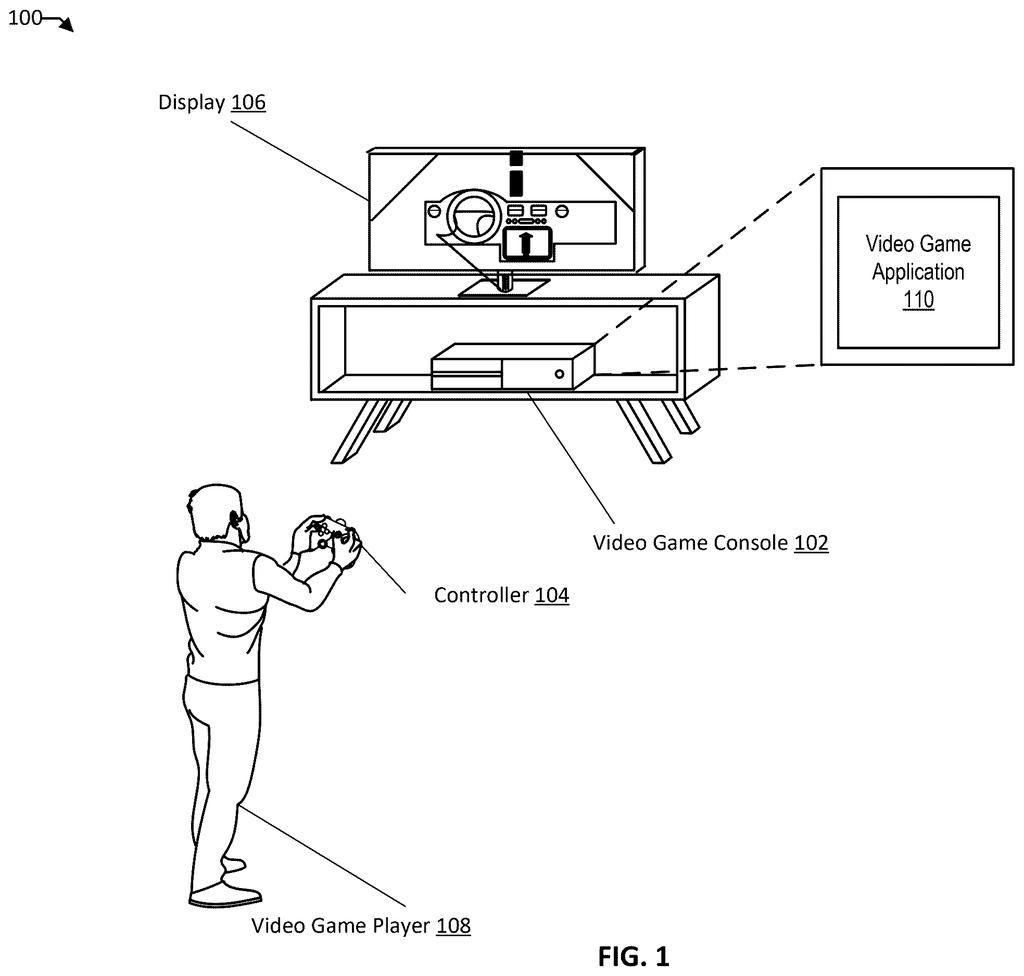
What Sony's context-aware game tester does
You're playing a racing game and your car clips a tree at an odd angle, then launches into the sky. A human tester might never have tried that exact crash. A bot playing blind probably wouldn't either.
Sony's filing describes a way to give a testing bot the context it is missing. First, the system watches a play session (by a person or by another AI) and looks at the screen, the sounds and the controller inputs together. From that it works out things like where you are, who the enemy is, and what you're carrying.
Then it hands those details to an AI player in a second session. In one example from the filing, the bot is told where the tree is and which way the car is heading, so it can deliberately crash into it and check whether the game's physics behave correctly.
… determining context information based on the video information, the context information to be used by an artificial intelligence (AI) agent during a second gameplay session of the video game application; …
Translation: The system figures out what is happening on screen so an AI player can use that information later.
How Sony's two-model setup reads a game
The claims cover a method in three steps. A computer system processes data from a first gameplay session, pulls out an image frame shown during that session, and works out context information from it. It then sends that context to an AI agent (the bot that plays the game) through an API (a standard doorway that lets one program talk to another) for use in a second session.
The description explains a two-stage design. A context-unaware model first scans the screen, audio and controller inputs and spots raw features, such as a character, a health bar or a gunshot, without knowing what any of them mean. A context-aware model then works out their significance, like whether a character is a villain or an ally, or whether a sound means a fight is starting.
The filing also describes:
- A table that lines up video, audio and controller details by timestamp
- Context such as health, inventory, enemy position, quest choices and story progress
- Different context for different testing jobs, such as physics checks, crash-hunting or finding places a player could get stuck
- A feedback loop where the bot's results refine what context it gets next, and can even lead to fixes in the game's code
Techniques for described for a context-aware for game testing. An example method can include processing video game information from a first gameplay session of a video game application.
Translation: This patent covers a method where software watches a person play a game to help test it.
Why Sony's AI tester could change game QA
Games are huge now, and testing them by hand is slow and expensive. A bot that understands the situation could poke at far more corners of a game before launch, which could mean fewer glitches, fewer day-one patches and fewer broken quests for you.
The filing names Sony titles like Horizon Zero Dawn and God of War as example games, and describes the data coming from cloud-based sessions without slowing down the player's own game. It is a studio tool, not a feature you would switch on, so you would only notice it through games that ship in better shape.
This is the 31st Sony filing in Enterprise AI we've tracked since May, adding to work like cutting actors from LED footage and predicting game frames early.
Every large game ships broken in some corner a human tester never reached, and players feel it as frozen quests, corrupted saves, and physics that turn a car into a rocket. The testing gap costs studios money in emergency patches and costs players trust that takes years to rebuild.
A bot that knows what it sees on screen and what it is supposed to be doing can run the same risky scenario hundreds of times overnight, something no human team can match on a deadline. That focus on context, knowing the goal rather than just pressing buttons at random, is what separates useful automation from noise.
The filing makes no promises about how many problems this would actually catch, so the real measure will come when it meets a shipping game. The ambition matches the scale of the problem; whether the execution does is the open question.
Get our take in your Top Stories
Liked this breakdown? Add Patentlyze as a preferred source on Google, and our plain-English take shows up more often in your Top Stories the next time Sony patent news breaks.
There are more where this came from
We read every patent application Big Tech publishes and send you the ones worth knowing. Plain English, free, every week.
The drawings
10 drawing sheets from US 2026/0335769 A1 · click any drawing to enlarge


Show the other 2 sheets


Want this weekly breakdown for a company we don't cover? Patentlyze Pro →
Be the first to weigh in